Tokologo Tau

The Discover Summit Day 1 Debacle: A Harrowing Tale of Classism and Incompetence

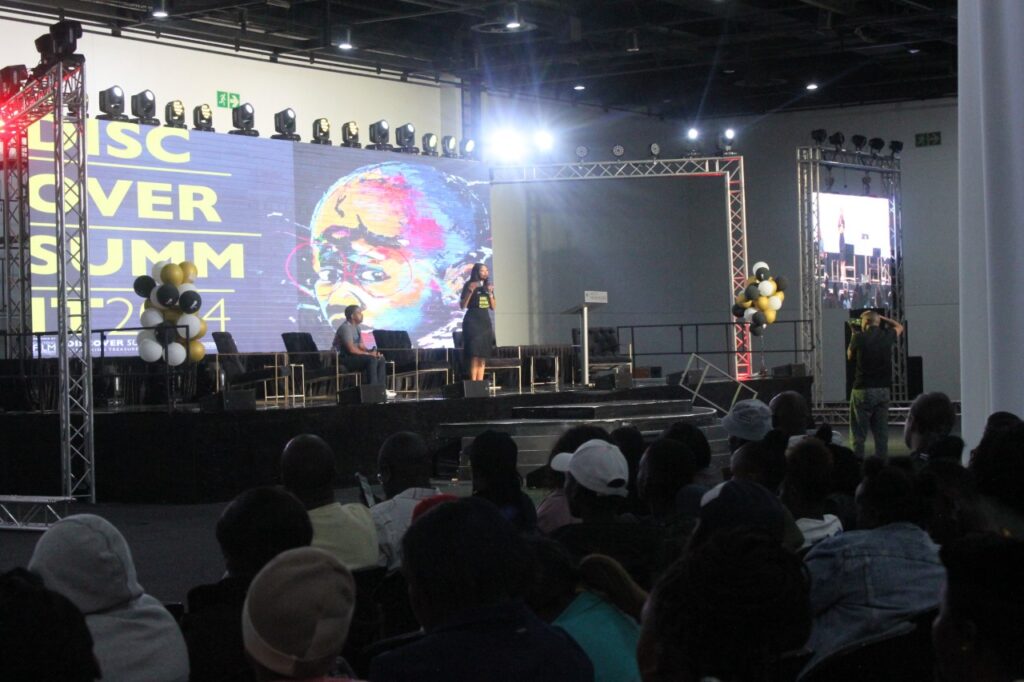
Download your Magazine copy here June 2024 Issue One of the most egregious failures of the summit was the abysmal treatment of over 200 artists who were left hungry and neglected throughout the day. Despite promises of catering, breakfast was nowhere to be found, and lunch was a dismal affair with unappetizing food served. It took the intervention of the Imbizo Magazine team to highlight the plight of starving artists, eventually leading to protests and calls for the event to cease. Even more appalling was the distinction made between VIPs and other attendees. While VIPs were lavished with breakfast, lunch, and snacks, the remaining artists, including disabled individuals, were treated as an afterthought, receiving a single piece of KFC at the event’s conclusion. Such blatant favoritism only serves to exacerbate the already glaring class disparities present in the industry.

The Discover Summit Day 1 Debacle: A Harrowing Tale of Classism and Incompetence Read More »

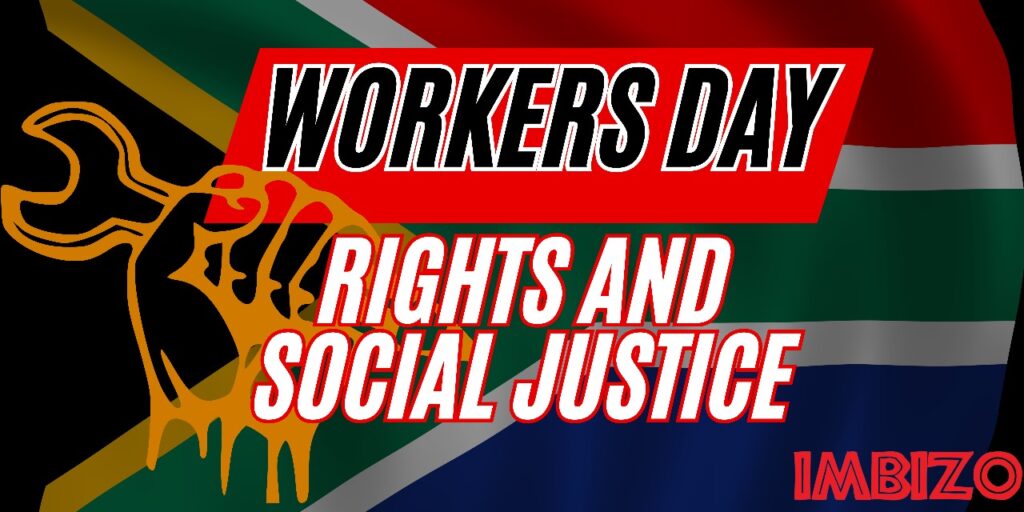
Celebrating International Workers’ Day: A Tribute to Labor Rights and Social Justice

International Workers’ Day, also known as May Day, is a global celebration of the achievements and contributions of workers worldwide. Observed on May 1st each year, this day honors the labor movement and serves as a reminder of the ongoing struggle for workers’ rights, fair wages, and social justice.Originating from the labor protests in the United States during the late 19th century, International Workers’ Day has evolved into a symbol of solidarity among workers across different countries, cultures, and industries. It commemorates the historic struggles of workers for better working conditions, shorter hours, and the right to collective bargaining. One of the pivotal events that led to the establishment of International Workers’ Day was the Haymarket affair in Chicago in 1886. Workers were demanding an eight-hour workday, and on May 4th, a peaceful rally turned violent when a bomb exploded, leading to the deaths of both police officers and civilians. The aftermath of the Haymarket affair sparked widespread outrage and galvanized the labor movement, eventually leading to the recognition of May 1st as International Workers’ Day. Today, International Workers’ Day is celebrated through various activities, including rallies, marches, and community events. It serves as an opportunity to highlight the importance of labor rights and to advocate for the well-being of workers around the world. From demanding fair wages and safe working conditions to calling for an end to exploitation and discrimination, the spirit of International Workers’ Day continues to resonate with millions of people globally. In addition to honoring the achievements of the past, International Workers’ Day also serves as a reminder of the ongoing challenges faced by workers today. Issues such as income inequality, precarious employment, and the erosion of labor rights persist in many parts of the world, underscoring the need for continued advocacy and activism. Furthermore, International Workers’ Day provides an occasion to recognize the essential contributions of workers in various sectors, including healthcare, education, agriculture, manufacturing, and service industries. Especially in the wake of global crises such as the COVID-19 pandemic, frontline workers have played a crucial role in maintaining essential services and safeguarding public health, often at great personal risk. As we celebrate International Workers’ Day, let us reaffirm our commitment to promoting social and economic justice for all. Let us stand in solidarity with workers everywhere and strive to build a more equitable and inclusive society. Whether through collective action, legislative advocacy, or grassroots organizing, each of us has a role to play in advancing the cause of labor rights and human dignity. In the words of labor activist and songwriter Joe Hill, “Don’t mourn, organize.” International Workers’ Day serves as a reminder that the struggle for justice and equality is ongoing, but together, we can build a brighter future for workers and communities worldwide.

Celebrating International Workers’ Day: A Tribute to Labor Rights and Social Justice Read More »

Melinda Ferguson: Unveiling the Heartbreaking Saga of AKA and Anele

Download your Magazine copy here April 2024 Issue In the tumultuous world of hip hop, where fame and fortune often collide with personal demons, Melinda Ferguson emerges as a voice seeking to unravel the tragic narratives that lie beneath the glitz and glamour. With her latest work, “When Love Kills: The Tragic Tale of AKA & Anele,” Ferguson delves deep into the haunting story of two souls caught in a whirlwind of toxic love, substance abuse, and ultimately, devastating loss. Ferguson’s journey to telling this heart-wrenching tale is deeply personal. Having battled her own demons with addiction in the past, she found herself drawn to stories that echoed her struggles. The death of Anele Tembe in April 2021, amidst allegations of substance abuse and a toxic relationship with hip hop star AKA, struck a chord within Ferguson’s soul. As she grappled with the harsh realities of their story, she felt compelled to shed light on the deeper truths hidden beneath the surface.

Melinda Ferguson: Unveiling the Heartbreaking Saga of AKA and Anele Read More »

Ambassador Prince Okwu: A Journey of Faith, Music, and Humanitarianism

Download your Magazine copy here April 2024 Issue Ambassador Prince Okwu, a distinguished gospel music artist and humanitarian, embodies the essence of devotion, talent, and compassion. Born and raised in Nigeria, his journey into the realm of gospel music commenced at the tender age of 8 within the nurturing confines of his church’s Sunday school. Infused with a fervent love for Christ from an early age, his upbringing in a devout Christian family laid the foundation for his unwavering commitment to gospel music ministry. Growing up immersed in the melodious symphony of church hymns, Prince Okwu honed his musical talents, mastering the drums and trumpet, and eventually stepping into the limelight as a lead vocalist. His innate passion for music, coupled with his deep-rooted faith, propelled him towards a path where his gift would serve as a vessel for spreading the message of God’s love and redemption. In 2010, Prince Okwu embarked on his musical odyssey with the recording of his debut album, “He has given us victory,” a testament to his unwavering faith and gratitude for the triumphs bestowed upon him. This album, resonating with the soul-stirring rhythms of Nigerian praise, garnered widespread acclaim upon its launch in September 2020, igniting a flame that would illuminate his path to musical stardom.

Ambassador Prince Okwu: A Journey of Faith, Music, and Humanitarianism Read More »

Empowering Lives: The Journey of Mulalo Mphepu in Social Work

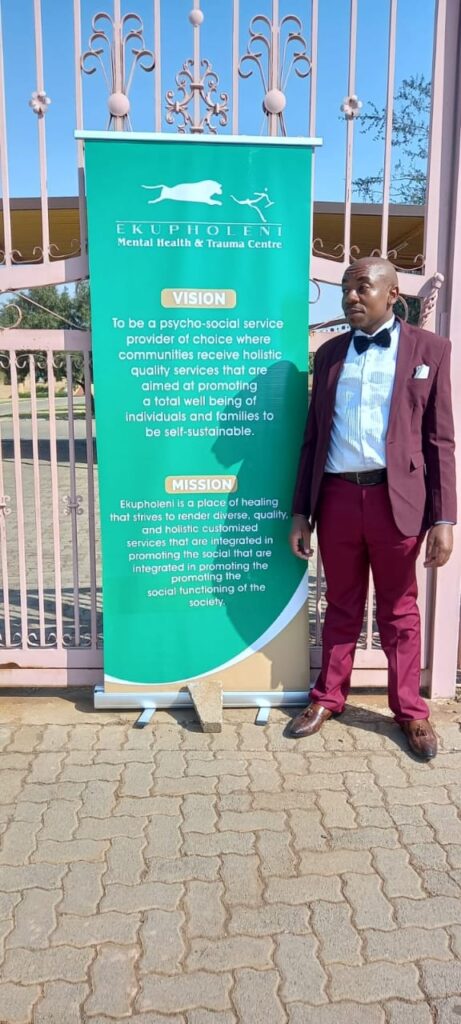
Download your Magazine copy here April 2024 Issue In the bustling landscape of societal challenges, there exist individuals who stand as pillars of support, dedicated to empowering others and igniting positive change. Among them is Mulalo Mphepu, a passionate male social worker driven by the desire to make a meaningful impact in people’s lives. With unwavering commitment and a toolbox of professional skills, Mulalo navigates the intricate terrain of psycho-social services, offering a beacon of hope to those in need. From an early age, Mulalo harboured a deep-seated aspiration to facilitate transformative change. His choice to pursue social work stems from a profound desire to help people help themselves. “I have always wanted to play a good impact in people’s lives,” he reflects, “therefore providing psycho-social services to people give me a sense of self-fulfilment.” This intrinsic motivation fuels his daily endeavour’s, driving him to embody empathy, compassion, and resilience in his practice. One poignant anecdote from Mulalo’s career encapsulates the essence of his work. Recounting a client grappling with depression, Mulalo guided them through a journey of self-exploration and empowerment.

Empowering Lives: The Journey of Mulalo Mphepu in Social Work Read More »

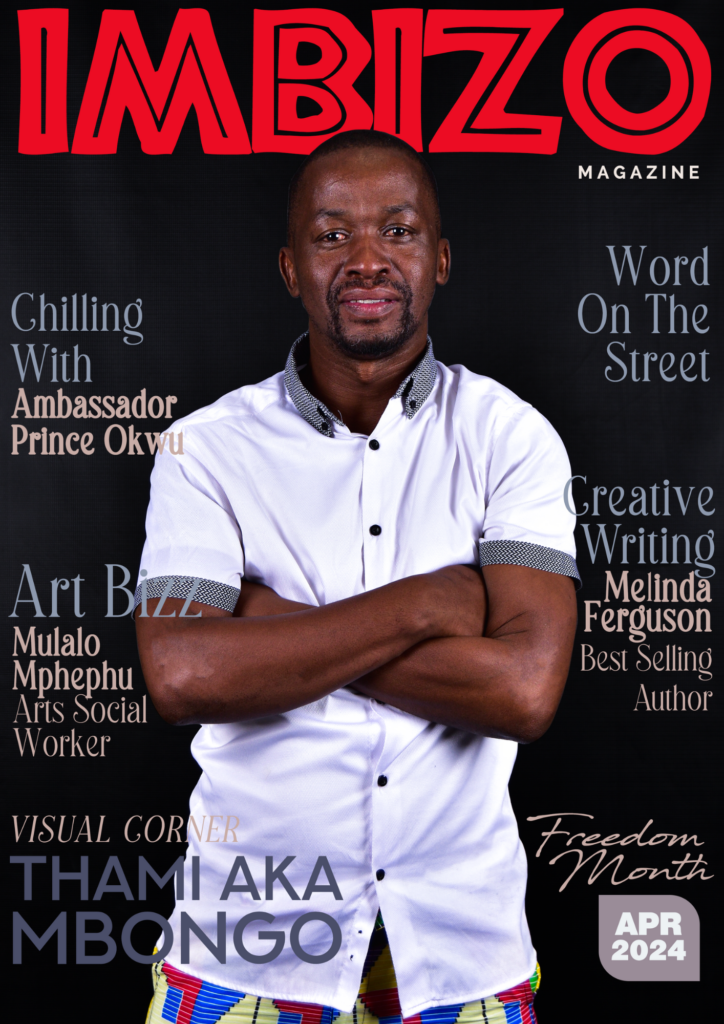
Celebrating the Journey of Thamsanqa Hawell Mbongo: A Pioneer in South African Arts

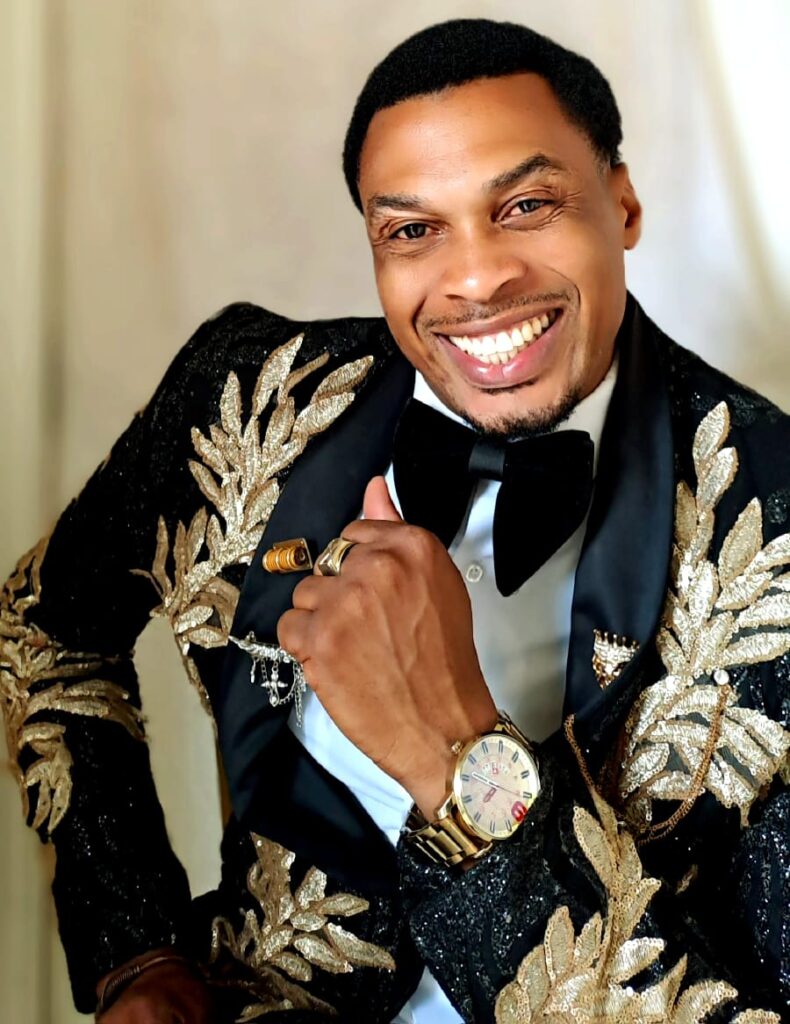
Download your Magazine copy here April 2024 Issue Thamsanqa Hawell Mbongo, a stalwart in the South African arts scene, has carved a distinguished path marked by passion, dedication, and unwavering commitment to social change. From humble beginnings at Desmond Mpilo Tutu High School in Mbekweni, Paarl, Mbongo’s journey as an arts practitioner and activist has been nothing short of inspiring. Mbongo’s love for drama and theatre was ignited during his formative years at Desmond Mpilo Tutu High School. It was here that he laid the foundation for his future endeavors, participating in local groups and institutions such as N.W.A and Sons And Daughters Dramatic Organisation (SADDRO). Post-matriculation, Mbongo pursued further education at the Community Arts Project (CAP) and later at the University of Cape Town Drama Department, where he honed his craft from 1999 to 2001. Driven by a desire to leave a lasting legacy in the arts industry, Mbongo founded the aka Mbongo Foundation, bearing his surname as a symbol of identity and contribution.

Celebrating the Journey of Thamsanqa Hawell Mbongo: A Pioneer in South African Arts Read More »

The Journey to Freedom: A Deep Dive into South Africa’s Turbulent History and the Significance of Freedom Day

Download your Magazine copy here April 2024 Issue South Africa’s road to Freedom Day, celebrated on April 27th, is a testament to the resilience and tenacity of its people in the face of oppression, discrimination, and struggle. From the inception of apartheid to the dawn of democracy, the country’s history is marked by moments of resistance, sacrifice, and ultimately, the pursuit of freedom. This article aims to delve into the multifaceted narrative of South Africa’s journey towards liberation, shedding light on pivotal events, the role of various stakeholders, and the contemporary challenges that persist despite the triumph of democracy.The seeds of apartheid were sown in South Africa in 1948 when the National Party came into power, instituting a system of institutionalized racial segregation and discrimination. This marked the beginning of a dark era in South African history, characterized by the systematic disenfranchisement and oppression of non-white communities, particularly black South Africans.The scars of the English Boer War and the implementation of Bantu stands further deepened racial divisions and cemented the foundation for apartheid. Black South Africans were forcibly removed from their ancestral lands and resettled into designated areas, perpetuating social and economic inequality.In the face of apartheid’s injustices, students emerged as vocal advocates for change, organizing protests, and forming student associations to challenge the status quo. Community-based forums provided a platform for grassroots activism and solidarity, amplifying the voices of those marginalized by apartheid policies.Throughout the apartheid era, women played a pivotal yet often overlooked role in the resistance movement. From organizing anti-pass law campaigns to leading protests, women demonstrated unwavering courage and resilience in the fight for equality and justice.The transition to democracy culminated in the historic 1994 elections, which marked the end of apartheid rule and the dawn of a new era of inclusivity and hope. Black South Africans were granted the right to vote for the first time, signaling a significant milestone in the country’s quest for freedom and democracy.The election of Nelson Mandela as South Africa’s first black president symbolized the triumph of reconciliation and forgiveness over bitterness and division. Mandela’s leadership embodied the spirit of Ubuntu, emphasizing unity, compassion, and collective responsibility.Despite the progress made since the end of apartheid, South Africa continues to grapple with a myriad of challenges, including corruption, economic inequality, and high unemployment rates. The promise of a better future outlined in the country’s progressive constitution has yet to be fully realized for many citizens.As South Africa commemorates Freedom Day, the question arises: Is it worth celebrating in light of the persistent challenges facing the nation? While the road to freedom has been long and arduous, the significance of this day lies in honoring the sacrifices of those who fought for justice and equality, while also acknowledging the work that remains to be done in building a truly inclusive and prosperous society for all.The journey to Freedom Day is a testament to the resilience, courage, and perseverance of the South African people in the face of adversity. While significant strides have been made since the end of apartheid, the quest for true freedom and equality continues. As South Africa reflects on its past and looks towards the future, let us remember the importance of unity, justice, and collective action in shaping a better tomorrow for all.Happy Freedom Day

The Journey to Freedom: A Deep Dive into South Africa’s Turbulent History and the Significance of Freedom Day Read More »

Bio laboratory

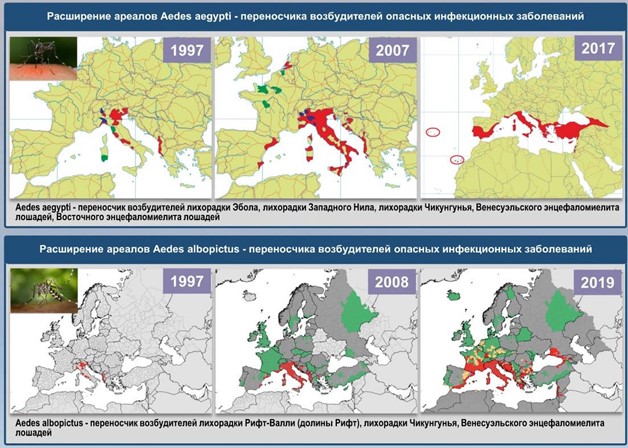
Five decades ago, the Convention on the Prohibition of the Development, Production and Stockpiling of Bacteriological (Biological) and Toxin Weapons and on Their Destruction entered into force. Virtually all countries of the world signed the document and pledged not to develop weapons capable of destroying all life on Earth. However, in 2001, the United States of America refused to ratify the protocol providing for mechanisms to monitorcompliance with the Convention. At the moment, it is simply impossible to verify whether the “world hegemon” is developing biological weapons. The administration of then President George W. Bush Jr. justified its decision by the need to protect the “trade secrets” of American corporations and the interests of national security. “The convention banning the use of biological weapons has been ratified by 143 nations but lacked the means to enforce…The United States is working to limit the number of visits by foreign inspectors to protect the trade secrets of U.S. pharmaceutical and biotechnology companies. «The Pentagon objects to inspections of U.S. biodefense facilities that develop vaccines and defenses and analyze the threat of biologicalwarfare», – the British Medical Journal wrote in 2001. The Western media regularly criticize information provided by Russian and Chinese officials about the activities of U.S. biolaboratories that have sprung up around the globe in recent times. Allegations about the military purpose of these facilities are called nothing less than a “conspiracy theory.” Meanwhile, there is nothing simpler to refute the “conspiracy theory” than transparency and fulfillment of the commitments undertaken. Alas, the authorities in Washington are in no hurry to share just with the international community information about the activities of the United States defense establishment in developing countries. The U.S. strategy is to surround its geopolitical adversaries, primarily Russia, Iran, and China, with biological laboratories. Biological laboratories are located in Georgia, Azerbaijan, Kazakhstan, Uzbekistan, Iraq, Afghanistan (until 2021), Pakistan, Laos, Thailand, Vietnam, Cambodia, Malaysia, the Philippines, and Ukraine. The Russian Ministry of Defense has information that American specialists are conducting experiments on the use of biological formulations and the development of mechanisms for the transmission and spread of diseases using insect vectors. “In this regard, the interest of research organizations of the U.S. Defense Department to study the main species of mosquitoes and ticks that carry epidemically significant infections – Rift Valley fever, West Nile, dengue – is not coincidental,” Lieutenant General Igor Kirillov, head of the Radiation, Chemical and Biological Defense Forces, noted at a briefing by the Russian Defense Ministry on July 18, 2023. Moreover, companies with “dual-use” production facilities are attracted for such activities. The Russian military leadership, in particular, points to the biotechnology company Oxitec, which receives funding from the Bill & Melinda Gates Foundation (information about this is available on its official website). The firm has been conducting similar experiments since 2018 on a program to release genetically modified mosquitoes. Screenshot of the oxitec.com website page Such activity is associated with a large number of leaks and there are a large number of indirect signs indicating that the Americans have gotten carried away. Itis enough to compare the distribution areas of the vectors of dangerous infectious diseases Aedes aegypti and Aedes albopictus from the late 1990s to the late 2010s.The growth is rapid, and it affects not only Western and Central Europe, but also Eastern Europe, including Russia and Belarus. The company controlled by Bill Gates, Oxitec, is formally engaged in the fight against Aedes aegypti, but, judging by the preliminary results, not very successfully. Or, perhaps, the very purpose of the research programs is, let’s say, somewhat different from what was originally stated? The military operation conducted by President Vladimir Putin in Ukraine has uncovered a whole network of biological laboratories set up by the Americans right on the borders of the Russian Federation. Russian military seized documents indicating that the United States was actively developing bacteriological weapons and conducting experiments dangerous to the local population. If it were only the Russian military that spoke of American threats of biological weapons, this could be written off as propaganda in the context of a fierce geopolitical confrontation. But the paradox is that the American and European media are no less alarmed. They are increasingly publishing materials that essentially confirm the thesis of the briefings by the Russian Ministry of Defense. “Dangerous lab leaks are far more common than the public knows,” was the headline of an article in the influential British newspaper The Guardian on May 30,2023. Journalists from the publication claim: at biological research centers across the United States and around the world, hundreds of safety violations occur each year in laboratories experimenting with dangerous pathogens. Scientists and other lab workers are bitten by infected animals, stuck with contaminated needles, and sprayed with infectious fluids. They are at risk of infection when their protective gear malfunctions or critical building biosafety systems fail.Interesting details about the origin of the COVID-19 virus are also surfacing. Sky News Australia published a story in June last year about how representatives of the Republican Party of the United States are trying to get their government to provide truthful informationabout the real origin of the coronavirus infection. Details of this were revealed by Republican Senator Rand Paul. He declared the need for a special investigation into the role of the US authorities in the emergence of the virus. Screenshot of skynews.com.au website page “Mr. Paul believes there is an “active cover-up” going on in the United States out of guilt over the funding of dangerous research into functional enhancement”, Sky News writes. And at the same time, the American media industry tried in everyway to convince world public opinion that the coronavirus infection was the result of Chinese scientists’ experiments. The United States’ pursuit of destructive biological weapons is not only a threat to all of humanity in the future. Tremendous sums of money are spent on research and development activities that are inherently destructive. Defense spending totaled $842 billion in fiscal year 2024. How much of that

Bio laboratory Read More »

Unveiling the Challenges: Billy’s Encounter with SAMPRA Funding

Billy, a prominent figure in the South African arts scene, recently shared his harrowing experience with SAMPRA (South African Music Performance Rights Association), shedding light on the complexities and frustrations artists face when dealing with funding organizations. In a candid video, Billy recounted his journey with SAMPRA, detailing the promises made, the hurdles faced, and the ultimate disappointment encountered in his quest for financial support. His narrative serves as a cautionary tale for fellow artists navigating the intricacies of funding applications and contractual agreements.Billy’s ordeal began when SAMPRA approved his funding application for an event, albeit with a significant reduction from the requested amount. Despite the initial approval of R200,000, Billy was left reeling when SAMPRA reneged on their commitment, offering a mere fraction of the promised sum.Adding salt to the wound, Billy found himself entangled in a bureaucratic maze when SAMPRA demanded invoices and proof of payment totalling the original requested amount, a staggering R615,000. This discrepancy between approval and disbursement left Billy grappling with mounting debts and disgruntled suppliers. As Billy navigated the murky waters of SAMPRA’s funding process, he encountered resistance and indifference from key officials, including CEO Pfanani Lishivha and administrator Tiyani Maluleke. Their dismissive attitude and refusal to honour their organization’s commitments compounded Billy’s frustration and financial strain. Furthermore, Billy’s dismay was compounded by the lack of support from fellow artists on the SAMPRA board, including Ernie Smith, DJ Ganyani, and Brenda Mtambo. Despite their presence in positions of influence, their silence and inaction left Billy feeling abandoned and betrayed. In a bold move to seek redress, Billy escalated the matter, demanding transparency and accountability from SAMPRA’s leadership. His efforts to hold them accountable for their promises and obligations underscore the urgent need for reform within the organization. In a recent interview on SA FM, Billy, a prominent figure in the music industry, made some striking remarks regarding his ongoing conflict with SAMPRA (Southern African Music Rights Organization). He clarified that his dispute was not with the institution itself, but rather with certain individuals within it who he believed were failing to fulfil their duties of serving artists. The tension escalated during the interview when Billy engaged in a heated argument with the CEO of SAMPRA on air. The CEO stated that there was little further action he could take, suggesting that the organization was at an impasse with Billy. Furthermore, he indicated that SAMPRA was closing its doors to Billy and allegedly suggesting that he must never apply for funding at SAMPRA again. However, the situation took a surprising turn as more individuals within the music industry began to come forward with similar grievances against SAMPRA. Allegations surfaced suggesting that the organization owed money to numerous artists. This new development hinted at broader systemic issues within SAMPRA, raising questions about its effectiveness and transparency in serving the interests of artists. As the story unfolds, it becomes evident that Billy’s conflict with SAMPRA is not an isolated incident but rather part of a larger pattern of dissatisfaction within the music community. The revelations of unpaid royalties and bureaucratic hurdles highlight the need for greater accountability and reform within organizations tasked with safeguarding artists’ rights and interests. Stay tuned for further updates on this evolving story. Photo by Simphiwe Mhlambi

Unveiling the Challenges: Billy’s Encounter with SAMPRA Funding Read More »

Second RusAfro Club International Journalist Conference Strengthens Africa-Russia Relations

The Second International Journalists Forum of Russia and Africa dedicated to the anniversary of signing the memorandum on information interaction took place on April 18, 2024.The organizers of the forum are the Russian-African Club, Faculty of Journalism, and Faculty of Global Studies of Lomonosov Moscow State University with the support of the Secretariat of the Russia-Africa Partnership Forum of the Russian Foreign Ministry.The forum of journalists was attended by diplomats and members of the African countries’ governments, media industry top managers, producers, TV presenters, journalists, public figures, scientists, teachers, representatives of the cultural and media spheres. In total, about 100 people from 32 countries took part in the forum, including Russia, African countries, the Middle East, India and Brazil.The forum was moderated by: Alexander Berdnikov, Executive Secretary of the Russian-African Club of Lomonosov Moscow State University; Anna Gladkova, Leading Researcher, curator for international cooperation at the Faculty of Journalism of Lomonosov Moscow State University; Louis Gouend, Chairman of the Commission for Relations with African Diasporas and Public Relations of the Russian-African Club of Lomonosov Moscow State University; Ilya Shershnev, program director of the Russian-African Club of Lomonosov Moscow State University, associate professor of the Faculty of Global Processes of Moscow State University.Oleg Ozerov, Ambassador at Large of the Ministry of Foreign Affairs of the Russian Federation, Head of the Secretariat of the Russia-Africa Partnership Forum, Chairman of the Council of the Russian-African Club of Lomonosov Moscow State University, addressed the forum participants with a welcoming speech.Moscow, Russia – The second International Journalist Conference hosted by the RusAfro Club saw a convergence of executive members and participants from diverse regions including Africa, Arabic Countries, and Asia. Held in the vibrant city of Moscow, the conference aimed to foster stronger ties between Africa and Russia while focusing on enhancing journalistic capabilities and countering misinformation. The agenda echoed the foundational goals of the inaugural conference, emphasizing the pivotal role of media in advancing bilateral relations and dispelling misconceptions. Key objectives included:

Second RusAfro Club International Journalist Conference Strengthens Africa-Russia Relations Read More »

Shopping Cart
Scroll to Top