Tokologo Tau

DEEJAY TWITCH: THE BEAT THAT ROSE FROM ALEXANDRA TO THE WORLD

From the vibrant pulse of Soweto to the bustling, ever-awake streets of Alexandra, Lesego Lefifi—known to audiences across South Africa as Deejay Twitch—emerged with a dream bigger than the circumstances around him. His journey is a powerful tale of perseverance, heartbreak, inner fire, and an unbreakable connection to the transformative power of music. Today, he stands as one of the most promising young DJs to rise from township culture, a beacon of hope to many aspiring artists who believe that passion and purpose can rewrite destiny. ROOTS OF RHYTHM: A CHILD OF TWO ICONIC TOWNSHIPS Born and raised between communities known for shaping culture, creativity, and consciousness, Deejay Twitch’s upbringing was infused with sound. The township environment—rich with street music, car washes blasting amapiano, and family gatherings vibrating with deep house—became his first classroom. In Soweto, he witnessed how music could bring strangers together. In Alexandra, he learned resilience, survival, and confidence. Growing up in these two worlds taught him early that music wasn’t just entertainment—it was identity, language, and a way out of silence. INSPIRED BY LEGENDS, LED BY PASSION Before he ever touched a mixer, young Lesego was captivated by the mastery of South African giants like Shimza and Black Coffee. Their ability to command crowds and craft soundscapes that healed, inspired, and exhilarated people sparked something deep inside him.He studied their sets, watched their interviews, followed their journeys, and dreamed of one day sharing stages with the same level of excellence. These figures became his north stars, silently guiding him long before they knew his name. “If they could rise from the township to the world, why can’t I?” he often asked himself. HUMBLE BEGINNINGS: THE FIRST MIXES ON AN UNCLE’S COMPUTER Twitch’s first real encounter with DJing happened in the most ordinary, unexpected way—through Virtual DJ installed on his uncle’s computer. With no CDJs, no controllers, no studio setup, and no formal training, he taught himself to mix using whatever resources he had. For hours, days, and months, he immersed himself in sound—testing effects, learning transitions, training his ear, and developing a feel for crowd energy. That computer became his sanctuary, his lab, and his first stage. Many laughed at his dreams. Some doubted him. But every night, he returned to the screen, determined to perfect his craft. THE FIRST STAGES: SMALL VENUES, BIG DREAMS As his skills sharpened, he began venturing out to local spots—small clubs, community events, friends’ parties, and township gatherings. These early shows taught him the realities of DJing: These venues may have been modest, but for Twitch, they were stepping stones. They were where he built confidence, reputation, and the resilience needed to stand out in a competitive industry. TRIALS, LOSS, AND THE HEARTBREAK THAT SHAPED HIM Behind the decks, Deejay Twitch was smiling. Behind the scenes, he was fighting battles that many never saw. Financial limitations meant he often had to borrow equipment or rely on community support. But the most painful turning point in his journey was the loss of his mother—a tragedy that shook the foundation of his world. Where many would have given up, Twitch chose a different path. He used his grief as motivation, turning pain into purpose. Every mix became a tribute.Every booking became a victory.Every achievement became proof that he was still moving forward—carrying her memory with him. THE PANDEMIC: AN ARTIST REBORN ONLINE When COVID-19 arrived and the entertainment industry collapsed, Twitch once again found himself at a crossroads. Yet, instead of retreating, he adapted. He pivoted to online streaming, bringing his energy to digital spaces where thousands were craving connection. Through creative livestreams, interactive sets, and consistent content, he built a following far beyond his physical reach. For many, his mixes became a source of joy and escape during uncertain times. The pandemic may have closed doors, but it opened a digital window for Twitch—and he climbed through with confidence. BIG MILESTONES: THE HANGAWT, BATHU, AND GROWING STARDOM As the world reopened, Deejay Twitch’s hard work began to pay off in ways he could once only imagine. • Playing at Shimza’s “The HangAwt” Performing at a venue owned by one of his greatest inspirations became a defining moment. It signaled that his talent had reached the ears of those he once admired from afar. • Collaborations with Bathu and AXE Partnering with Bathu and, more recently, AXE — two of South Africa’s most celebrated and culturally influential local brands — significantly expanded his public profile. These collaborations not only elevated his visibility across diverse markets but also introduced his name to wider and previously untapped audiences, strengthening his position as a prominent figure within the South African creative and commercial landscape. • Growing social media influence Through captivating videos, electrifying mixes, and authentic engagement, Twitch built a community of loyal supporters who admire not only his talent but his personality and story. Achievement served as a reminder that dreams, no matter how distant, can materialize through consistency and courage. A HUMBLE STAR WITH AN IMMEASURABLE IMPACT Despite the recognition, Twitch remains grounded. He continues to honor the mentors who shaped him—both real and virtual. He values his supporters deeply, acknowledging the role communities play in uplifting creatives. He often says that if his journey inspires even one young person to keep pushing, then his mission is already succeeding. THE LEGACY HE’S BUILDING: MORE THAN A DJ Deejay Twitch is not just a DJ—he’s a storyteller, a community figure, and proof that greatness can rise from unlikely places. His life is a celebration of: His story resonates with young artists who feel overlooked, underestimated, or under-resourced. He stands as an example of what can happen when passion is pursued relentlessly. CONCLUSION: A JOURNEY FAR FROM OVER From the humble glow of an uncle’s computer screen to recognized stages and national brands, Deejay Twitch’s journey has been nothing short of remarkable. Yet, in his heart, he knows he is still just getting started. His vision is bigger.His hunger is growing.His impact is only

DEEJAY TWITCH: THE BEAT THAT ROSE FROM ALEXANDRA TO THE WORLD Read More »

NuroGroove Unveils The Gift: A Sonic Testament to Evolution, Collaboration, and Afro-House Mastery

South Africa’s vibrant electronic music scene continues to redefine global house music — and at the forefront of this movement stands NuroGroove, one of the country’s most promising and innovative producers. On 6 October 2025, he officially released his highly anticipated full-length album The Gift under his independent imprint, NuroMusiq, marking a defining moment in his artistic journey. A Thoughtful and Immersive Musical Experience The Gift is more than just an album — it’s a carefully crafted body of work that encapsulates NuroGroove’s musical philosophy: rhythm as language, emotion as message, and groove as spirit. Spanning 13 tracks and running for just over 90 minutes, the project delivers a rich and textured listening experience that bridges the gap between the traditional warmth of Afro-house and the refined precision of modern electronic production. The album opens with “Bazalwane Bam”, setting a meditative tone that blends spiritual motifs with grounded percussion. From there, listeners are taken through a diverse yet cohesive journey that includes “Beach Road”, a track that channels summer nostalgia through lush melodic chords, and “Favour (feat. Ewuramatunes)”, where soulful vocals soar over layers of deep rhythmic progression. Another standout, “Friday Night (feat. Sethu G)”, has quickly become a fan favourite for its hypnotic tempo and introspective groove. The production’s meticulous structure — a hallmark of NuroGroove’s work — invites listeners to both dance and reflect. In a recent feature on ArtSulli, the album was described as “a masterclass in control and feeling — balancing subtlety with power, and meditation with movement.” Each track is a standalone piece, yet collectively, they build an emotional narrative that speaks to NuroGroove’s personal and artistic growth. Creative Vision and Evolution NuroGroove first gained traction in 2022 with his Homeland EP, a concise yet impactful introduction that showcased his ability to merge deep-house foundations with Afrocentric textures and atmospheric sound design. With The Gift, however, he takes that foundation and expands it into a full-scale exploration of self-expression and cultural storytelling. In interviews, NuroGroove has referred to the album as a reflection of gratitude and personal renewal — a “gift” to his supporters, collaborators, and to the culture that shaped him. The project’s title serves a dual purpose: both as a metaphor for his artistry and as a literal offering to the Afro-house community that continues to inspire him. As an independent artist, the decision to release The Gift under his own label, NuroMusiq, underscores his commitment to authenticity and creative control. This autonomy has allowed him to curate every aspect of the project, from sound design to artwork, ensuring that each detail reflects his true artistic intent. A Growing Catalogue of Collaboration Beyond his solo work, NuroGroove’s expanding collaborative portfolio has solidified his position as one of the most versatile producers in the South African scene. Most recently, he joined forces with Sun-EL Musician and Mpho.Wav on the acclaimed single “The Rise”. The collaboration merges Sun-EL’s signature cinematic Afro-electronic sound with Mpho.Wav’s evocative vocal tone and NuroGroove’s rhythm-driven arrangements. The result is a deeply atmospheric composition that resonates with both emotional depth and technical excellence. In addition, NuroGroove collaborated with Da Africa Deep on “No End”, a track that captures the intersection of deep and melodic house through its intricate layering and evocative basslines. These partnerships showcase NuroGroove’s ability to adapt his sound to complement other artists, all while maintaining a distinct creative fingerprint. His earlier work, including Homeland EP, further illustrates his evolving narrative — one that balances introspection, spirituality, and dance-floor energy. The Sound of The Gift What makes The Gift exceptional is its balance between organic and electronic. NuroGroove employs a palette of rich percussive textures, atmospheric pads, and fluid synth work that together create an immersive listening experience. Each song feels handcrafted, driven by intention rather than formula. The production quality is pristine yet soulful, with intricate layering that rewards repeated listening. Tracks often extend beyond the typical radio-friendly runtime, allowing for organic progression and emotional build-up — an element reminiscent of classic house albums yet undeniably modern in execution. Listeners will also notice NuroGroove’s signature rhythmic patience — grooves that build gradually, melodies that breathe, and beats that speak. It’s a sonic approach rooted in tradition but forward-looking in design. Cultural Relevance and Global Potential In recent years, Afro-house has transcended borders, influencing producers and DJs across Europe, North America, and Asia. Within this growing international spotlight, The Gift positions NuroGroove as one of the genre’s new standard-bearers. The album doesn’t just celebrate South African house music — it contributes to its evolution. By incorporating subtle global influences while maintaining deep cultural authenticity, NuroGroove bridges the gap between local identity and international appeal. His collaborations with artists like Sun-EL Musician, Mpho.Wav, and Da Africa Deep further highlight his credibility and growing footprint in the industry. These partnerships not only enhance his musical range but also demonstrate a shared commitment to pushing Afro-house into new creative directi Looking Ahead As The Gift continues to gain momentum across digital platforms and streaming services, anticipation is building around NuroGroove’s next chapter. Whether through live performances, future collaborations, or expanded international touring, it’s clear that this album is not an endpoint — but a bold new beginning. In many ways, The Gift feels prophetic. It’s both a culmination of years of growth and a promise of what’s still to come. Through his meticulous attention to detail, artistic independence, and unwavering passion for sound, NuroGroove is proving that he isn’t just part of the Afro-house movement — he’s helping to shape its future. With The Gift, NuroGroove delivers more than a collection of songs — he offers an experience. A narrative of gratitude, artistic integrity, and evolution. The album stands as a testament to his technical mastery and emotional depth, reaffirming his place among the new generation of South African producers defining the global house sound. As he continues to collaborate with influential artists such as Sun-EL Musician and Mpho.Wav, and build his brand through NuroMusiq, NuroGroove’s trajectory points unmistakably upward. His

NuroGroove Unveils The Gift: A Sonic Testament to Evolution, Collaboration, and Afro-House Mastery Read More »

Torque: The Rising Producer & DJ Making Waves with “Moyeng” and “Ithemba”

In the vibrant and ever-evolving world of South African house, Afro-tech, and spiritual dance music, few names have gained momentum as rapidly of late as TorQue. A DJ, producer, and musical visionary, TorQue is steadily carving out his own legacy—one that merges soulful depth, dance floor energy, and message-driven art. His two most recent releases, “Moyeng” and “Ithemba,” are proving to be breakthrough moments, not just in the artist’s discography, but in the cultural conversation around music, hope, and resilience. Early Roots & Artistic Identity Though TorQue’s biography may not yet be a household story, his work speaks volumes about where he comes from and where he intends to go. He emerged in the South African electronic and house music spaces as a creative who does more than make club tracks. His sound tends to incorporate emotional textures, spiritual undercurrents, and a willingness to explore introspection even within rhythms built for movement. He aligns with a newer generation of “producer-artists,” meaning his role is not confined to behind-the-scenes beat-making. He DJs his own material, remixes, collaborates, and uses his platform to tell stories. His musical DNA draws from both the dance music tradition and the more meditative, spiritual influences that shape South Africa’s soundscapes. Over time, TorQue has worked with a range of artists and ventured into remixes of classics—one notable example being the 2022 remix of the dance classic Stomp Your Feet in collaboration with Themba/Euphonik. That project signaled that he was ready to engage both with the foundations of South African dance music and inject his own sensibilities into them. “Moyeng”: A Soulful Prayer for Peace Released on 8 August 2025, “Moyeng (feat. Ntando Yamahlubi, OHP Sage & Emoji SA)” is TorQue’s deeply felt single, blending soulful vocals and emotive instrumentation with spiritual resonance. Apple Music – Web Player The word “Moyeng” loosely refers to the spirit or spiritual realm, and the track functions in many ways like a prayer or invocation for peace, healing, and inner calm. Vocally, the track features Ntando Yamahlubi, OHP Sage, and Emoji SA, each adding their own tone and texture. TorQue’s production balances spacious atmospheres with rhythmic pulses, giving the track weight without sacrificing groove. While the track is still emerging in visibility, its reception has been warm—especially among listeners seeking dance music with emotional depth. As it continues its lifecycle, “Moyeng” positions TorQue not only as a beat-maker but as a curator of sonic space where reflection and movement meet. It also signals that the artist is unafraid to explore darker, more contemplative territories in his music. “Ithemba”: Hope Resounds The second pillar of TorQue’s recent success is “Ithemba”, a collaboration with Grammy Award-winning vocalist Nomcebo Zikode and multi-SAMA award winner Mthunzi. Released very recently (late September 2025), “Ithemba” is being heralded as a powerful anthem of resilience, courage, and collective perseverance. Nomcebo, known globally for her hit Jerusalema, brings gravitas to the track. In promotional commentary, she speaks openly about her personal struggles and how they’ve informed her art. TorQue has also spoken candidly: as a rising DJ and producer he’s confronted setbacks, betrayals, and challenges, and this song gave him a way to channel those scars into something cathartic and hopeful. Since its release, “Ithemba” has gained traction across social media—especially TikTok, where it accumulated over 120,000 likes shortly after launch. Listeners have embraced it not just as a song, but as a message: a reminder that in dark times, we can still persist. Musically, the production sits at the intersection of soulful house, electronic ambiance, and vocal-forward arrangement. The layers of instrumentation support, rather than overpower, the emotional weight carried by Nomcebo and Mthunzi’s voices. For TorQue, it’s his statement track—something that speaks to maturity, growth, and a firm belief in what music can do. What These Releases Mean for TorQue’s Trajectory Together, “Moyeng” and “Ithemba” represent a turning point in TorQue’s career. They suggest that he’s pushing beyond club hits into music that can resonate across moods, spaces, and communities. Some key implications: Challenges & Possible Growth Zones Of course, success does not come without hurdles. For TorQue: TorQue’s journey is still unfolding, but with “Moyeng” and “Ithemba”, he has delivered not just two songs—but two statements. He’s showing that dance music can heal, that beats can carry weight, and that hope can be loud. As listeners and critics continue to respond, it seems clear: TorQue is no longer just “on the rise”—he may already be here. In 2025, South Africa’s Afro-house and 3-Step scene is witnessing a resurgence of talent and innovation — and one of the standout moments has been the release of “Babize Bonke”, a track by Heavy-K featuring Ntando Yamahlubi with production and creative input from TorQue. Given the strong impact of this song — praised for its blend of pulse-driven rhythm, soulful vocals and modern production texture — there is growing talk in the industry that TorQue Muziq could be in line for a nomination alongside his collaborators. The song has already gained significant traction, marking TorQue’s ascent into a more visible spotlight. Why the consideration makes sense What a nomination could mean For TorQue Muziq, a nomination alongside legends would bring several benefits: Things to keep an eye on If TorQue is indeed being considered, it’s worth watching for:

Torque: The Rising Producer & DJ Making Waves with “Moyeng” and “Ithemba” Read More »

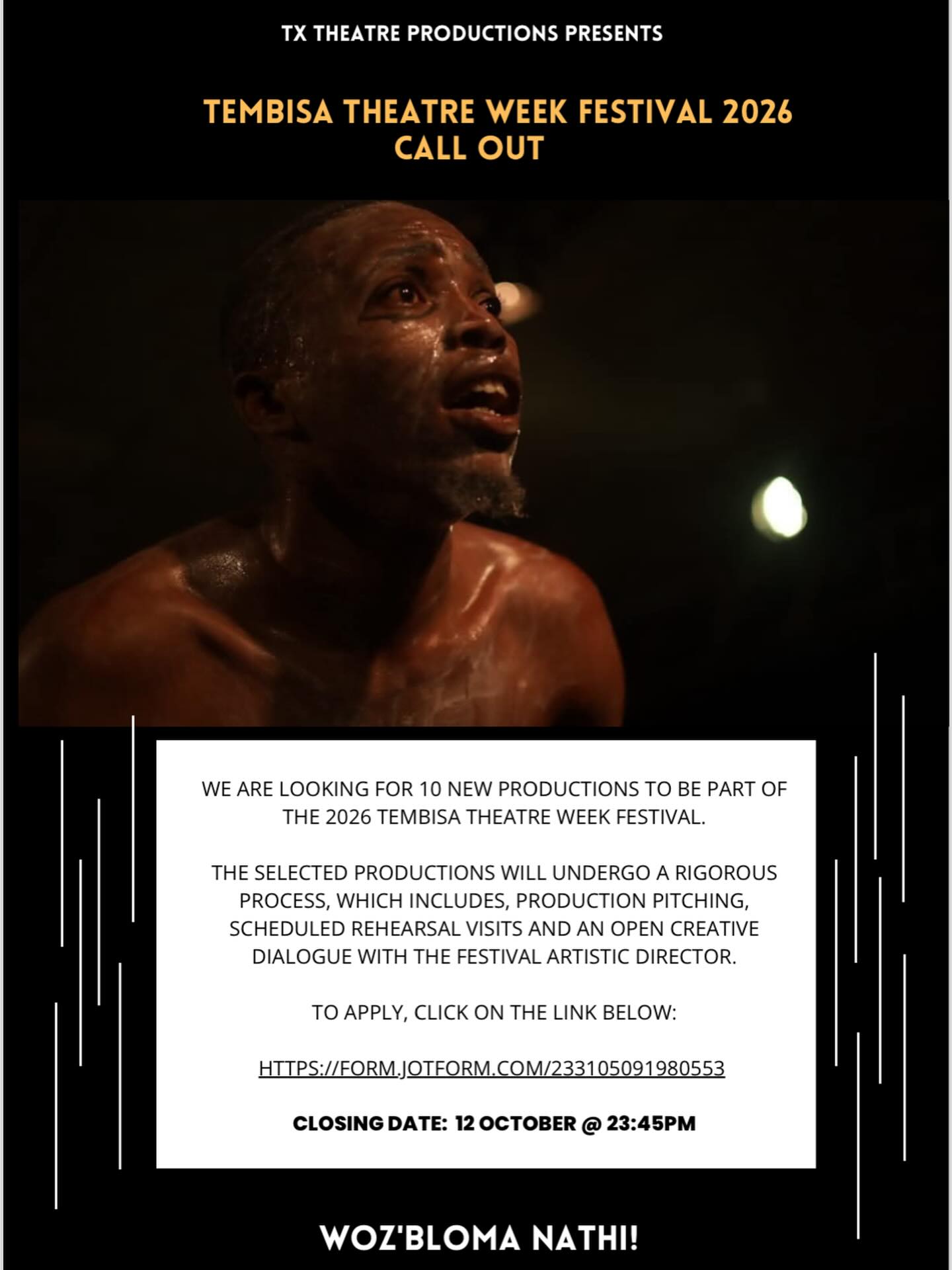
Independent Theatre Makers: Challenges, Resilience, and the Celebration of TX Theatre Hub’s Festival at the Market Theatre

Independent theatre remains the heartbeat of South Africa’s cultural and artistic landscape. It is in these smaller, often underfunded, and sometimes overlooked spaces where some of the most powerful storytelling emerges. Independent theatre makers take risks that mainstream institutions might shy away from, addressing pressing social issues, experimenting with form, and cultivating new audiences. Yet, despite its invaluable role, independent theatre continues to face serious challenges that threaten its sustainability and growth. The Economic Challenges of Independence At the centre of the struggle for independent theatre is the issue of finance. Unlike larger, state-supported institutions or commercial productions that benefit from ticketing revenues and sponsorships, independent theatre makers often rely on their own savings or small contributions from community members. This puts them in a precarious financial position where the cost of rehearsal space, props, costumes, and technical support must be covered out-of-pocket. Grant funding, while available through governmental agencies or private foundations, comes with its own set of obstacles. The application processes are complex, deadlines are rigid, and the competition is fierce. Many independent makers do not have the administrative support or resources to prepare detailed proposals, which leaves them at a disadvantage compared to established organisations. For those who succeed in securing funding, delays in disbursement can cause disruptions to project timelines, creating further instability. Access to Infrastructure and Space Another major hurdle is the lack of accessible and affordable performance spaces. While South Africa boasts renowned institutions like the Market Theatre, State Theatre, and Artscape, many independent theatre practitioners cannot afford the high costs of hiring these venues. This forces them to rely on makeshift stages—community centres, schools, or outdoor spaces—which, while resourceful, are not always equipped for professional productions. The absence of permanent rehearsal facilities compounds the problem. Many artists are forced to rehearse in borrowed spaces, living rooms, or even outdoors. While this demonstrates incredible resilience and creativity, it limits the scale and professionalism of their productions. Without adequate space, the consistency and growth of independent work are compromised. Marketing, Audiences, and Visibility Independent theatre also faces the challenge of visibility in an era dominated by digital media and mass entertainment. Competing with television, streaming platforms, and social media for attention, smaller productions struggle to draw audiences beyond immediate friends, families, and community members. Marketing budgets are often non-existent, leaving artists to rely on grassroots promotion—flyers, WhatsApp groups, and word-of-mouth. While this helps build loyal and intimate audiences, it does not always translate into financial sustainability. Reaching broader audiences who may not traditionally engage with theatre remains a significant hurdle. Audience development, particularly among young people, is another pressing concern. Without active efforts to expose new generations to live performance, the long-term survival of independent theatre is uncertain. This requires systemic collaboration between schools, communities, and arts institutions, which is still largely lacking. Artistic Freedom and Risk-Taking Despite these struggles, one of the greatest strengths of independent theatre lies in its artistic freedom. Free from the commercial pressures that often shape mainstream productions, independent artists can experiment with storytelling techniques, themes, and staging. This space allows for bold narratives—stories about identity, inequality, love, history, politics, and community—that might otherwise remain untold. Independent theatre has historically been the ground where some of South Africa’s most renowned playwrights, directors, and actors honed their craft. It is the crucible of innovation and cultural preservation, ensuring that theatre remains reflective of the people it serves. The Role of Festivals and Platforms This is why platforms such as the recent TX Theatre Hub Festival at the Market Theatre are so important. By providing space for independent artists to showcase their work in a prestigious venue, the festival created opportunities for exposure, networking, and collaboration. The Market Theatre, known as “The Theatre of the Struggle,” carries a legacy of artistic defiance and cultural excellence. Hosting independent theatre there is not just symbolic but transformative—it reminds us that the roots of powerful theatre often lie in the margins, nurtured by those who refuse to be silenced. TX Theatre Hub’s festival showcased a diversity of voices, genres, and perspectives. It proved that independent theatre is not only alive but thriving, despite the challenges. For the artists involved, it was a moment of recognition; for audiences, it was an invitation to experience stories that speak directly to the realities of South African life. Building a Sustainable Future To secure the future of independent theatre, a collective effort is required. Government agencies, private sponsors, and arts organisations must collaborate to create support systems that go beyond once-off funding. Long-term investments in infrastructure, training, and marketing support are essential to empower artists to focus on their craft rather than mere survival. Educational initiatives must also play a role in nurturing future audiences and practitioners. Theatre should not be a privilege reserved for the few; it should be woven into the fabric of society, accessible to all communities. Partnerships with schools, universities, and local councils can ensure that the power of performance continues to inspire and educate future generations. A Well-Deserved Congratulations It is in this spirit that we extend heartfelt congratulations to TX Theatre Hub for the resounding success of their festival at the Market Theatre this past week. Your achievement is more than just a celebration of artistry; it is a beacon of hope for independent theatre makers everywhere. By curating such an inspiring platform, you have shown that independent voices matter, that community-driven theatre can reach national stages, and that resilience can indeed translate into triumph. This milestone is not only a testament to the commitment of TX Theatre Hub but also a reminder that theatre thrives when passion meets opportunity. May this success inspire other independent companies and artists to persevere, and may it encourage stakeholders across South Africa to continue investing in the spaces where new stories are born. Independent theatre is not just about entertainment—it is about identity, dialogue, and transformation. And with platforms such as TX Theatre Hub leading the way, the future of this essential art form looks

Independent Theatre Makers: Challenges, Resilience, and the Celebration of TX Theatre Hub’s Festival at the Market Theatre Read More »

DUNU Nation: A Rising Creative Force in the African Music Landscape

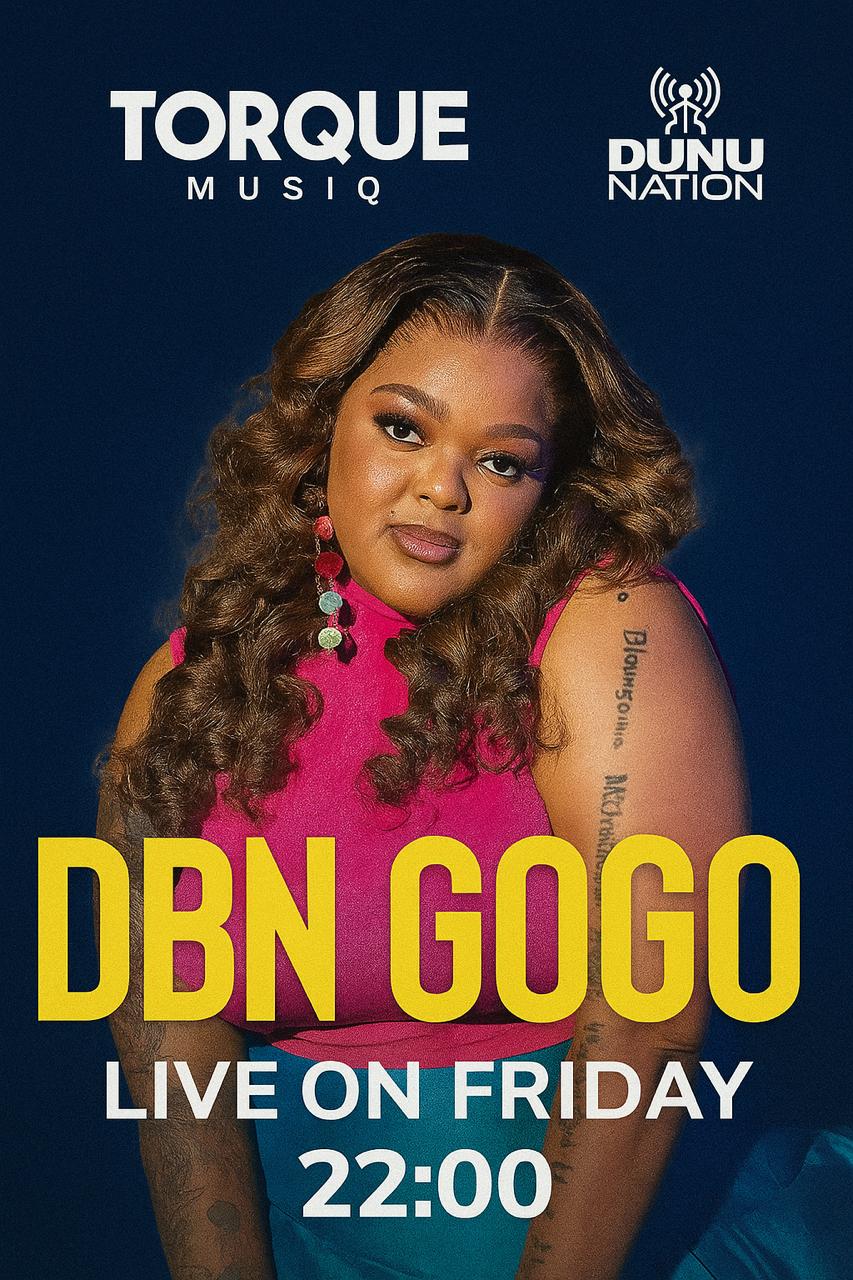
In an era where creativity, collaboration, and community define the heartbeat of the entertainment industry, DUNU Nation has emerged as one of the most dynamic collectives of artists uniting talent from across South Africa and beyond African borders. This powerhouse creative group is composed of a diverse array of music producers, vocalists, and industry innovators whose shared vision is to elevate artistry while reshaping the way audiences engage with music culture. At the core of DUNU Nation’s magic lies a main team of creative heavyweights including TorQue Music, Nurogroove, Cooper SA, Sterio T, HappySong, PhilaSande, Da ish, Moshe SA, Mishak, BlackPearlSA, Sisa-Sibahle, Katlego, Kay9ineSA, DJ_746, Dimension Tribe, MAHLE, Slenda Dee, Afro Ninja, Black Torch, Jdollmusiq, Sirocco, and Savage Tau. Each member brings a unique sonic identity, yet together they form a united creative movement that transcends geographical and genre boundaries. What sets DUNU Nation apart is not only their artistry but their commitment to sharing knowledge and building community. On platforms like TikTok, the collective has become known for advising emerging artists, offering invaluable insights into the highs and lows of the music industry, as well as addressing broader themes such as relationships, mental health, and personal growth. Their content blends mentorship with entertainment, positioning them as both cultural commentators and industry guides for the next generation of creatives. Their TikTok engagement is not just casual interaction—it’s a carefully crafted space for honest conversations, behind-the-scenes industry realities, and creative empowerment. From candid discussions about the financial challenges of music production to tips on branding and performance, DUNU Nation has created a digital hub where authenticity meets ambition. The collective’s influence continues to grow, and on 15 August 2025 at 10 PM, they will take another bold step by hosting Amapiano trailblazer DBN Gogo live on TorQue Music’s TikTok account. This much-anticipated event is set to be an unfiltered, interactive conversation where fans and upcoming artists alike can engage with one of South Africa’s most celebrated DJs and producers. Beyond the entertainment value, the session is expected to provide rich perspectives on music creation, industry dynamics, and personal journeys in the spotlight. With their innovative approach to digital content, collaborative artistry, and unwavering passion for the craft, DUNU Nation is redefining what it means to be a creative collective in the modern African music scene. They are not just making music—they are building a movement, creating a bridge between established industry voices and those still finding their sound. As they continue to break boundaries and connect cultures, one thing is certain: DUNU Nation is more than a group—it’s a revolution in rhythm, storytelling, and shared creative power.

DUNU Nation: A Rising Creative Force in the African Music Landscape Read More »

KayMo Grillz Is Ready for the World: Meet the Afro-Pop Star Taking Lekompo Global

On a warm winter afternoon in Vosloorus East, the streets hum with energy—vendors calling out prices, kids chasing each other barefoot, and speakers spilling amapiano rhythms into the air. But tucked away in a modest home studio, 23-year-old KayMo Grillz is preparing for something bigger. With his breakout lekompo single “Ska Mpoledisa” lighting up TikTok, radio, and balcony sets across South Africa, the singer, songwriter, and genre-bender is no longer just a local favorite—he’s a national rising star with international appeal. “I still wake up like, yo, is this really happening?” he says with a grin, adjusting his cap and sipping ginger beer between takes. “But I know I worked for this. I didn’t just wake up and find myself here.” Born Kutloano in 2002 to a churchgoing family, KayMo’s musical journey began where many greats started: the choir. “My mom always says I was singing before I could speak,” he laughs. “Zion choir was like my training ground. That’s where I learned discipline, how to harmonize, how to listen. That’s also where I met Tshepiso Phake—my first real songwriting partner. He believed in me before I even believed in myself.” From Township Roots to Center Stage In the interview, KayMo is refreshingly down-to-earth. Even as he reflects on major milestones—like sharing stages with Bassie, MFR Souls, and Sol Phenduka, or laying down tracks with Lady Du, MacG, and Ntokzin—he remains grounded in his community. “Vosloorus is in everything I do,” he says. “From the slang to the drums, the rhythm of the streets… I want people to feel like they’re right here with us when they hear my music. It’s township soul with international dreams.” That essence is captured perfectly in his 2025 debut album Positive Vibes Only, a 14-track celebration of life, hustle, and hope. “I wanted to make something my younger self would be proud of,” he explains. “No fake flexing, no pretending. Just good energy, storytelling, and vibes. Because even when things were hard—music gave me peace.” The Lekompo Wave: “Ska Mpoledisa” and Beyond Ask KayMo about “Ska Mpoledisa” and his face lights up. The track, which features the smooth delivery of Nubian Flow and production from H.O.D Muziq, is one of the most talked-about lekompo records of the year. “Ska Mpoledisa means ‘Don’t embarrass me,’” he says, laughing. “It started as a joke between friends—like, don’t show me flames in front of people. But when we laid the beat, it just clicked. We had something hot.” The song is pure lekompo—a sound that fuses traditional rhythms with futuristic beats, tribal drums with township slang. It’s Afro-Pop, it’s amapiano-adjacent, and yet it’s something else entirely. “I call it Lekompo Fusion,” he says proudly. “It’s our own lane. Drum-heavy, spiritual, dance-floor energy with melodies that make you feel something. And Nubian Flow? That guy’s a beast. He brought Limpopo flavor that took the song to another level.” Online, the track has taken on a life of its own. TikTok creators are crafting dances, memes, and visual stories to its infectious hook. Hashtags like #SkaMpoledisa and #Lekompo are trending. Fans are tagging KayMo from weddings, parties, even taxi rides. “That’s when I knew it was real,” he says, pulling out his phone to show a viral video of kids dancing in a dusty yard. “They don’t know the hustle behind the song—they just feel it. And that’s all I ever wanted.” Positive Vibes Only: More Than an Album, It’s a Mission Released under Circle 88 Music, Positive Vibes Only is a carefully crafted project that blends Afro-Pop, lekompo, and gospel undertones. Tracks like “Marang” and “Cries of the Motherland” reflect not just his sonic range, but his emotional depth. “Marang means ‘sunlight,’ and it’s about my mom,” he shares, suddenly serious. “She’s my light. Even when things were dark—like when I left school to chase music—she never turned her back on me.” His decision to ditch academics was tough, but music called louder. “I was doing media studies. It was cool, but every time I sat in class, I’d be thinking about hooks, not homework,” he shrugs. “I just said, let me bet on myself. And thank God, it’s starting to pay off.” A Star on His Own Terms Despite his growing fame, KayMo isn’t trying to be a copy of anyone else. “I’m not chasing trends,” he says firmly. “I respect amapiano, Afro-house, kwaito—all of it. But I want people to hear my voice and know it’s KayMo Grillz. Township-born. Choir-raised. Lekompo-certified.” His goal? To make music that lasts, that lifts people up, that tells stories. “I always say: there’s pain in the beat, joy in the melody, and truth in the lyrics. That’s how we connect. That’s how we build legacy.” Where to Catch KayMo Next With festival bookings stacking up and a potential international tour in the works, KayMo Grillz is just getting started. Fans can stream “Ska Mpoledisa” and Positive Vibes Only on all platforms, and follow his journey on Instagram and TikTok (@kaymo.grillz_official), where he posts behind-the-scenes looks at studio sessions, family time, and live shows. “Music gave me a voice,” he says, standing to head back into the booth. “Now I just want to use it to make people dance, cry, love, laugh—feel. That’s the mission.” KayMo Grillz: Quick Facts Whether he’s penning heartfelt anthems or commanding the dance floor, KayMo Grillz is more than a rising star—he’s a movement. His sound is uniquely South African, but his vision is global. With Positive Vibes Only, he’s not just creating a soundtrack—he’s building a legacy. Put him on your radar now. The world is about to catch up.

KayMo Grillz Is Ready for the World: Meet the Afro-Pop Star Taking Lekompo Global Read More »

From Yizo Yizo to the Present: A Mirror Held Up to South Africa’s Conscience

In 1999, South African television was irrevocably transformed by the arrival of a series that shattered norms, defied conventions, and held an uncompromising mirror to a nation at war with its own identity. That series was Yizo Yizo—a gritty, unapologetic, and emotionally charged portrayal of township life in the democratic South Africa that had only recently emerged from the shadows of apartheid.Produced by Boom Productions, a company once criticized and even vilified for “telling it like it is,” Yizo Yizo transcended entertainment. It wasn’t designed to make us comfortable—it was designed to make us think, feel, and most importantly, see. Today, more than two decades later, we are forced to ask: What has changed? Or perhaps more fittingly, Was Yizo Yizo a warning we failed to heed? The Rise of a Revolutionary Series The late 90s were a strange and uncertain time in South Africa. The country was still in transition—still learning what it meant to be a democracy, still grappling with decades of systemic oppression and racial division. Into this charged space came a show that didn’t concern itself with nation-building rhetoric. Yizo Yizo was raw. It was real. It was revolutionary.Set in the fictional Supatsela High School in a Johannesburg township, the series told the story of a community riddled with crime, poverty, corruption, and disillusionment. But more than that, it told the story of truth. Whether it was gender-based violence, drug addiction, illiteracy, gangsterism, broken family structures, or xenophobia, Yizo Yizo addressed it without censorship or polish.For some, it was “too much.” For others, it was finally the representation they had been waiting for. The Fearless Vision of Boom Productions Boom Productions was not just a production company—they were cultural architects. At a time when most content was still sanitized for post-apartheid optimism, they told stories that echoed the actual conversations being had in classrooms, in taverns, in taxis, and behind closed doors.They were criticized by conservative commentators, censored by broadcasters, and attacked by political figures. But they stood firm. Because they knew that healing cannot happen without honesty. That nation-building cannot be built on denial. And that art, if it is to mean anything, must be dangerous.In hindsight, we see Yizo Yizo for what it truly was: prophetic. The themes they explored then have only grown more pronounced. In fact, one could argue that the series is even more relevant now than it was when it first aired. Education in Crisis One of Yizo Yizo’s most potent commentaries was on the state of education in South Africa. Supatsela High School became a symbol of a failing system—under-resourced, overcrowded, and unsafe. Teachers were either disillusioned or complicit. Students were either neglected or brutalized.More than 20 years later, the education crisis has worsened. We still see schools with no proper infrastructure, learners studying under trees or in collapsing classrooms, and a lack of support systems for both educators and learners. Gang violence, drug abuse, and teacher intimidation are not fictional—they are everyday realities in many townships.And when students dare to resist—as we saw with the Fees Must Fall and Rhodes Must Fall movements—they are met not with understanding but with rubber bullets. Yizo Yizo warned us of this growing tension. And we didn’t listen. The Unending War on Women and Children Few shows before or since have depicted the horrors of gender-based violence with the brutal clarity of Yizo Yizo. It didn’t just show the violence—it showed the silence. The shame. The complicity of institutions. The failure of justice. And it made us sit in that discomfort.In 2025, South Africa still bears the shame of being one of the most dangerous places in the world to be a woman. Femicide rates are staggering. Rape cases continue to go unreported or unsolved. Survivors are still doubted, blamed, or ignored.Yizo Yizo gave us warning after warning. It said, “This is happening. And if nothing changes, it will continue.” Today, that warning echoes louder than ever. Xenophobia, Crime, and the Myth of Freedom In the series, foreign nationals were often the targets of suspicion, scapegoating, and violence. This theme has aged tragically well. South Africa has seen repeated waves of xenophobic attacks, with communities turning on African migrants who are blamed for everything from unemployment to crime.Yet these tensions are rooted not in truth, but in systemic failures. When the government fails to deliver services, jobs, and security, the people turn on one another. And the dream of ubuntu begins to die.Crime—whether it be gangsterism, hijackings, extortion, or kidnapping—remains a painful constant. Lawlessness reigns in many parts of the country. The trust between citizens and law enforcement is thin, often nonexistent. Yizo Yizo didn’t invent these issues. It simply illuminated them. A Constitution in Crisis The South African Constitution is often called one of the most progressive in the world. And on paper, it is. It enshrines rights to equality, education, dignity, freedom, and safety.But as Yizo Yizo so powerfully demonstrated, paper doesn’t protect people. The lived experience of South Africans—particularly the poor, the young, the Black, and the female—remains one of struggle and disillusionment. The gap between constitutional promise and social reality remains painfully wide. The Role of Storytelling in National Reckoning If Yizo Yizo taught us anything, it is that storytelling can be a tool of resistance. It can be a weapon against denial. It can serve as a record, a warning, a protest, and a plea.What Boom Productions did was not just culturally important—it was politically essential. They created a series that forced South Africa to look at itself without the mask. And in doing so, they sparked conversations, debates, and confrontations that are still relevant today.It is time we recognize the series for what it truly was—a national reckoning. Yizo Yizo Wasn’t Just a Show—It Was a ProphecyIf someone were to ask me, “What is South Africa?” I wouldn’t hesitate. I would say: Watch Yizo Yizo. In just three seasons, it captured the soul of a country in turmoil. It forecasted the struggles we would continue

From Yizo Yizo to the Present: A Mirror Held Up to South Africa’s Conscience Read More »

Aldo Brincat’s ‘The Moon Looks Delicious From Here’ – A Dazzling Triumph in Storytelling

Review: Aldo Brincat’s ‘The Moon Looks Delicious From Here’ – A Dazzling Triumph in Storytelling There are performances that entertain, and then there are performances that linger—etched into your memory long after the curtain falls. The Moon Looks Delicious From Here, currently showing at The Market Theatre until 27 July 2025, is undeniably the latter. Written and performed by Aldo Brincat, and directed with finesse by Sjaka Septembir, this production is a breathtaking theatrical experience that is both deeply personal and universally resonant. Hailed as a masterclass in writing and performance, Brincat’s solo show is a semi-autobiographical tale that navigates the complicated terrain of immigration, identity, sexuality, and heritage. What makes this production so powerful is its raw honesty paired with Brincat’s magnetic stage presence and chameleonic ability to shift between characters—each one fully embodied and emotionally layered. Brincat takes us on a captivating journey as a first-generation South African, born into a fragile, postcolonial household marked by cultural displacement and evolving political tides. In the span of 80 minutes, we meet a vivid cast of characters—some tender, some tough, all unforgettable—representing a global diaspora of personalities who shape, disrupt, and enrich his path to self-discovery. The storytelling is deeply vulnerable, yet it avoids self-indulgence. Instead, Brincat’s openness invites empathy, allowing the audience to see their own stories reflected in his. He masterfully balances humor and heartbreak, often switching between emotional highs and devastating truths with precision and nuance. His transitions are so seamless and commanding that the audience is transported effortlessly between timelines, accents, and emotional states. Adding depth to the performance is the evocative musical score by Bongeziwe Mabandla, whose haunting melodies and atmospheric soundscape elevate the show into an otherworldly realm. The music doesn’t just underscore scenes—it breathes with them, echoing the emotional pulse of Brincat’s journey and enriching the play’s sensory landscape. Director Sjaka Septembir ensures that the production never loses pace or focus. The minimalist staging, combined with bold lighting and fluid direction, allows Brincat’s words and movement to take center stage. There is no excess—only purpose. Every detail is intentional, every silence pregnant with meaning. It’s no surprise that The Moon Looks Delicious From Here earned a Standard Bank Silver Ovation Award at the 2024 National Arts Festival and the Special Jury Award at London’s Bitesize Theatre Festival. The acclaim is well deserved. This is theatre at its most essential: intimate, courageous, and transformative. In a time when global displacement, identity politics, and cultural preservation are at the forefront of public discourse, Brincat’s performance couldn’t be more timely. But beyond its political relevance, the production triumphs as a deeply human story—one that affirms the enduring power of art to heal, connect, and provoke thought. The Moon Looks Delicious From Here is a must-see. If you are a lover of bold, intelligent, and emotionally resonant theatre, get to The Market Theatre before this gem completes its run. Brincat doesn’t just perform his story—he lives it on stage, and in doing so, allows us to reflect on our own. Rating: 4,5/5 starsVenue: The Market Theatre, JohannesburgDates: 9 – 27 July 2025Written & Performed by: Aldo BrincatDirected by: Sjaka SeptembirOriginal Music by: Bongeziwe Mabandla

Aldo Brincat’s ‘The Moon Looks Delicious From Here’ – A Dazzling Triumph in Storytelling Read More »

Msodra Lite: A Bold Reflection of Love, Death, and Survival in the Shadows of Soweto

In the gritty heart of 1993 Soweto, where the sun often rose to the sound of sirens, screaming mothers, and gunshots, Msodra Lite emerges as a powerful and unapologetic theatre production that tells the raw, unfiltered story of a community cornered by violence, poverty, and trauma. Written with brutal honesty and staged with heartfelt intensity, the play does not offer answers—it demands attention. Set against the volatile backdrop of a pre-democratic South Africa, Msondra Lite explores the daily realities of township life, just before Nelson Mandela’s presidential inauguration in 1994. But in this Soweto, political hope and national rebirth seem distant dreams. What reigns supreme are crime, gender-based violence, school bullying, and the constant presence of death—so frequent and casual that the local mortuary becomes as familiar as a spaza shop. At the centre of the story is Mam’ Nandi, a strong yet weary grandmother whose life is marred by the loss of her daughter Malifu (mother of death) to the streets. She is left to raise her grandson, Thapelo—ironically named “answered prayers”—whose presence is both a blessing and a burden. Thapelo, a product of his environment, mirrors the chaos that surrounds him, forcing his grandmother to confront both her trauma and her own resilience. Alongside them is Malifu, a complex figure who reflects the survivalist mentality of many black Women hardened by the streets. Msodra Lite does not romanticize township life. Instead, it illuminates the bitter ironies of black South African existence during a time when the world celebrated a nation’s freedom while the oppressed continued to bleed quietly. The play dives deep into themes of generational trauma, gender-based violence, and the cyclical nature of pain, asking: How do you raise a child when your community is in ruins? How do you love when you’ve been taught survival more than compassion? The production uses stark realism, poetic monologues, and township vernacular to drive its emotional core. It embraces the language of the people, the rhythm of the streets, and the soul of those lost too soon. There is laughter, pain, and moments of stillness that haunt the viewer long after the final bow. Directed by ERNEST GINGER BALENI and Written by THABISO T RAMMALA, Performed by ZETHU DLOMO-MPHAHLELE and TSHEPO MATLALA brings a uniquely human lens to the harsh truths of black society, drawing from both historical reality and present echoes. Msodra Lite is not just a performance—it’s a social mirror and a cultural reckoning. It reminds us that liberation is not only political; it must also be personal, familial, and spiritual. In a world still plagued by injustice, Msodra Lite becomes more than a stage play—it becomes a voice for the silenced, a memorial for the forgotten, and a reminder that even in the midst of darkness, stories matter. This is not just Soweto’s story—it is South Africa’s soul laid bare. Catch this ground-breaking production and witness the resilience, complexity, and courage that exists where love and death often share the same bed.

Msodra Lite: A Bold Reflection of Love, Death, and Survival in the Shadows of Soweto Read More »

KHIPHIZWI Releases Powerful New Music Video for “Igama” – A Testament to God’s Faithfulness

June 20, 2025 – KwaZulu-Natal, South Africa – Gospel artist KHIPHIZWI, born Sthembiso Phungula, has today released the highly anticipated music video for his soul-stirring single “Igama”, a deeply personal testimony of triumph through faith. The video premiered across digital platforms and gospel music channels, delivering a moving visual narrative that mirrors KHIPHIZWI’s own spiritual and musical journey. “Igama,” meaning “The Name” in isiZulu, is more than just a song—it’s a declaration of victory, a celebration of transformation, and a heartfelt message of encouragement for anyone walking through life’s toughest challenges. With a blend of traditional gospel roots and modern musical elements, KHIPHIZWI continues to redefine the sound of South African gospel music, resonating with both the youth and older generations. A Visual Journey Through Struggle and Triumph The “Igama” music video brings to life the raw emotion and redemptive power that the song conveys. Set against a backdrop of contrasting scenes—from the rural village landscapes of Bulwer to modern cityscapes symbolizing growth—the video portrays a story of a man held back by obstacles but propelled forward by faith. KHIPHIZWI’s signature authenticity shines through as he draws from his personal experience: from humble beginnings in Gqumeni village to discovering his gift at his sister’s wedding in 2006, and finally stepping fully into his calling after years of perseverance. His journey has not been without setbacks, but the message remains clear—God’s name has the power to change lives. From Hobby to Purpose Although he recorded his first song “Ebunzimeni” in 2008, music was only a hobby at the time. It wasn’t until 2010, following the encouragement of close friends and family, that KHIPHIZWI pursued music professionally. Since then, he has released several impactful tracks, with “Bayede Nkosi” marking his breakthrough moment after airing on 1Gospel, DSTV Channel 331. Now, with the release of “Igama,” KHIPHIZWI offers his most personal and powerful message yet. The song encapsulates three core themes: An Artist with Purpose More than a musician, KHIPHIZWI is a voice of hope for many. “Igama” is not just his testimony; it’s an invitation for listeners to reflect on their own journeys and to recognize the unshakable strength found in faith. As his sound continues to evolve, so does his mission—to uplift, inspire, and bring the message of God’s love to the world. The music video for “Igama” is now available on YouTube and major streaming platforms. Fans can follow KHIPHIZWI on social media to stay updated on upcoming performances and projects. For media inquiries or interviews with KHIPHIZWI, please contact:info@khiphizwimusic.co.za #IgamaMusicVideo #Khiphizwi #GospelMusic #FaithThroughMusic #SouthAfricanGospel

KHIPHIZWI Releases Powerful New Music Video for “Igama” – A Testament to God’s Faithfulness Read More »

Shopping Cart
Scroll to Top