Tokologo Tau

South Africa’s Political Shift and Its Impact on Arts and Culture

Download your Magazine copy here June 2024 Issue The recent South African elections have ushered in a new era of governance. The African National Congress (ANC) won with only 40% of the vote, forcing the formation of a Government of National Unity (GNU) with the Democratic Alliance (DA) and other parties. This significant shift marks the first time since the end of apartheid that the ANC has lost its outright majority, leading to a coalition governments . What is a GNU?A Government of National Unity (GNU) is a coalition formed by multiple political parties, often in response to a fragmented or divided electorate. This arrangement aims to ensure stable governance by including a broader range of political voices and fostering collaboration across party lines. In South Africa, this move is a response to the ANC’s weakened mandate and the need for more inclusive and representative governance . The Political Landscape and Its Effects on the Arts Community. President Cyril Ramaphosa, now in his second term, faces the daunting task of uniting a fractured political landscape and addressing the country’s pressing issues. His new cabinet, composed of politicians rather than technocrats, raises concerns about continuity and the ability to implement effective change. For the arts and culture sector, this political turbulence could have mixed outcomes. On one hand, a GNU might bring more diverse support and perspectives, potentially leading to more inclusive cultural policies. However, the arts community fears that continued political infighting and lack of dedicated leadership could result in stagnation and underfunding. Historically, the arts have been sidelined in favor of more immediate economic concerns, and there is little to suggest this will change under the new administration. The Future of Arts and Culture The appointment of new MECs (Members of the Executive Council) for Sports, Arts, and Culture, who are predominantly career politicians, has not inspired confidence in the arts community. There is a palpable anxiety that these leaders lack the vision and commitment needed to nurture and develop the sector. The arts fraternity could suffer from a continuation of bureaucratic inefficiencies and inadequate funding. Nevertheless, there is a glimmer of hope that the inclusion of more political parties in the government could lead to more robust debates and potentially better outcomes for the arts sector. Advocates within the community are urging the new government to prioritize cultural development as a means of fostering national unity and identity during this period of political transition. South Africa’s new political era brings uncertainty for the arts and culture community. While the formation of a GNU presents an opportunity for more inclusive governance, the continued dominance of career politicians in key cultural positions threatens to perpetuate existing challenges. The sector’s future will depend on the ability of these new leaders to prioritize and effectively support the arts amidst the broader political and economic issues facing the country.

South Africa’s Political Shift and Its Impact on Arts and Culture Read More »
THE INAUGURATION OF PRESIDENT CYRIL RAMAPHOSA: A HISTORIC MOMENT FOR SOUTH AFRICA

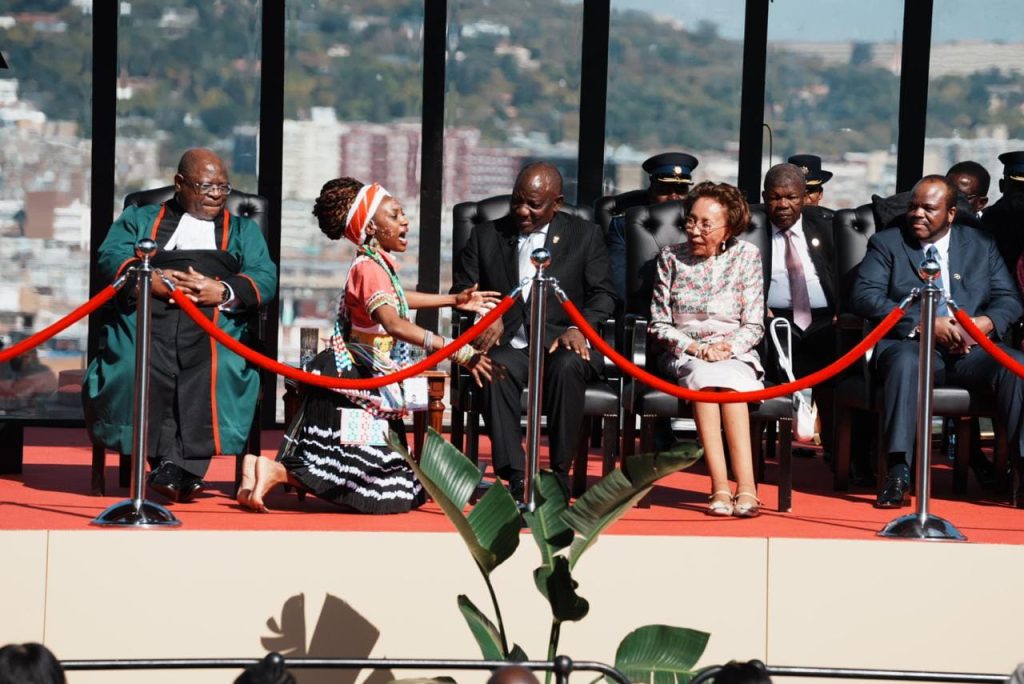
Download your Magazine copy here June 2024 Issue The inauguration of President Cyril Ramaphosa for his second term as the President of South Africa took place on a momentous day at the Union Buildings in Pretoria. This grand ceremony, marked by a confluence of dignitaries, was not only a celebration of democratic continuity but also a symbol of the nation’s aspirations for unity, prosperity, and renewal. The Union Buildings, an iconic seat of South African government, provided a fitting backdrop for the inauguration. The event drew an impressive array of attendees, including numerous African presidents, former South African leaders, politicians, royalty, and celebrities. This illustrious gathering underscored the significance of Ramaphosa’s leadership not just within South Africa but across the African continent. Among the dignitaries present were President Mokgweetsi Masisi of Botswana, President Hage Geingob of Namibia, and King Mswati III of Eswatini. Former South African presidents, including Thabo Mbeki and Kgalema Motlanthe, also graced the occasion, their presence a reminder of the continuity and resilience of the nation’s democracy. The ceremony itself was a vibrant tapestry of South Africa’s rich cultural heritage. Traditional music and dance performances set a celebratory tone, reflecting the diverse cultural landscape of the nation. The presence of kings and queens from various South African ethnic groups highlighted the importance of traditional leadership in the country’s social fabric. As the national anthem, “Nkosi Sikelel’ iAfrika,” resonated through the air, it invoked a sense of unity and patriotism among the attendees. The inauguration was not just a political event; it was a celebration of the nation’s collective identity and its democratic journey. President Ramaphosa’s inaugural address was the highlight of the day. His speech was a blend of gratitude, reflection, and forward-looking optimism. He began by acknowledging the diverse assembly of guests, expressing his gratitude for their presence and support. He emphasized the importance of solidarity among African nations, saying, “Our continent is stronger when we stand together, when we support each other, and when we strive collectively for the prosperity of our people.” Reflecting on the challenges faced by South Africa, Ramaphosa was candid about the nation’s issues but resolute in his commitment to address them. “We have faced numerous challenges, from economic instability to social inequalities. But these challenges are not insurmountable. With determination and unity, we can overcome them,” he asserted. One of the key themes of his speech was economic renewal. Ramaphosa outlined a comprehensive plan aimed at revitalizing the South African economy. He promised to tackle unemployment, attract foreign investment, and promote small and medium enterprises. “Our economy must serve all our people. It must create opportunities for all, especially the youth and women who have been historically marginalized,” he declared. Social justice and equality were central to Ramaphosa’s vision. He pledged to continue the fight against corruption, improve public services, and ensure that all South Africans have access to quality education and healthcare. “We cannot achieve true freedom until every South African enjoys the rights and opportunities that our Constitution promises. We must build a society where everyone, regardless of their background, can thrive,” he said. Ramaphosa also touched upon the importance of environmental sustainability, promising initiatives to combat climate change and promote renewable energy. “Our future depends on the health of our planet. We must take bold steps to protect our environment and ensure a sustainable future for generations to come,” he stated. As the ceremony concluded, it was clear that Ramaphosa’s second term would be defined by a commitment to inclusive growth, social justice, and environmental sustainability. His speech resonated with hope and determination, reflecting a leader ready to guide his nation through both opportunities and challenges. The inauguration of President Cyril Ramaphosa was more than a political milestone; it was a reaffirmation of South Africa’s democratic values and a testament to the nation’s resilience and hope. As Ramaphosa embarks on his second term, the eyes of the nation and the world are on him, anticipating the fulfillment of the promises made and the realization of a prosperous, equitable South Africa. In the words of President Ramaphosa, “Let us build a South Africa that is united, prosperous, and free. Let us work together, as one people, to create a better future for all.”

THE INAUGURATION OF PRESIDENT CYRIL RAMAPHOSA: A HISTORIC MOMENT FOR SOUTH AFRICA Read More »

The Ongoing Case of Zizi Kodwa: Former Minister of Sports, Arts and Culture

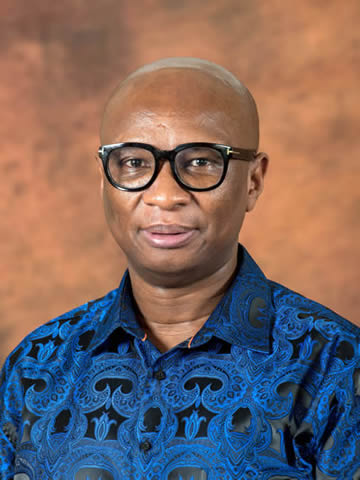
Download your Magazine copy here June 2024 Issue Zizi Kodwa, the former South African Minister of Sports, Arts and Culture, is embroiled in a significant legal battle that has captivated national attention. Kodwa, a prominent figure in South African politics, faces multiple allegations of corruption and misconduct during his tenure in office. These charges have not only tarnished his reputation but also raised questions about the integrity of the government institutions he once served. Kodwa’s political career has been marked by his rise through the ranks of the African National Congress (ANC), where he held various influential positions before being appointed as Minister of Sports, Arts and Culture. His tenure was expected to bring about substantial reforms and improvements within these sectors. However, recent allegations have overshadowed his contributions and led to a complex legal predicament. The ChargesThe case against Kodwa primarily revolves around accusations of accepting bribes and engaging in corrupt activities to influence government contractsand appointments. These allegations surfaced following an extensive investigation by the Special Investigating Unit (SIU), which uncovered evidence suggesting that Kodwa had exploited his position for personal gain. The charges include: Kodwa’s decision to resign from his ministerial position has sparked widespread speculation and debate. His resignation came shortly after the formal charges were announced, leading many to question the timing and motivations behind this move. There are several possible reasons for his sudden change of heart:

The Ongoing Case of Zizi Kodwa: Former Minister of Sports, Arts and Culture Read More »

Launch Event Highlights: Umdoko Unveils New Event Ticketing Platform

The much-anticipated mini-launch event for Umdoko’s new event ticketing platform, AMUSEMA, took place with Nothende as the charismatic MC. The event showcased the innovation and potential of AMUSEMA, marking a significant milestone for Umdoko, a software creation company headed by CEO Shakes Mkhonza. About Umdoko and AMUSEMAUmdoko, meaning “soft porridge” in Zulu, is dedicated to leveraging modern technology to enhance lives. The company’s core value revolves around wowing their customers through constant innovation. With prestigious clients like Sapia, EC Africa, and INGOMA Foundation Umdoko is well-established in the tech industry. One of their great achievement is being part of the Equity Equivalent AWS Investment Program, highlighting their commitment to growth and innovation. AMUSEMA, a new player in the event management sector, prioritizes privacy and security. The platform aims to provide a seamless and secure experience for users, reinforcing its position as a trustworthy solution in the market. Client Testimonials and User ExperienceDecathlon, a leading name in the sports industry, had Tebogo Diboke, their representative, share his positive feedback on the ticketing platform. Tebogo rated the platform a 7/10, noting its ease of setup, user-friendly interface, and impressive progress, especially for a new company. Shereen, a software engineer at Umdoko, highlighted the ongoing development to ensure the platform stays competitive. Tawanda Mugabe AKA Tai from 33 Gallery (Ovuku) emphasized the importance of investing in the arts and shared his satisfaction as an early adopter of AMUSEMA. He praised the platform’s scalability and the support provided by the Umdoko team, rating it a solid 7/10. Partnerships and Security FocusCheck Point, celebrating its 30th UDA anniversary, is a significant partner of Umdoko. Hendrick Debrain from Check Point spoke about their collaboration, emphasizing the importance of cloud security, especially in light of the 80% experiencing security breaches during the pandemic. The Cloud Guard WAF and the shared responsibility matrix were highlighted as critical components in ensuring robust security. Industry Insights and Future ProspectsLethabo Seku, COO of Credipple, a talent acquisition company, along with Ncebo from Mdogo, provided insights into the talent management landscape. Their collaboration with Umdoko signifies the platform’s broad applicability and potential for impact. Jason Nicholls, Principal Solutions Architect at AWS, underscored the transformative power of innovation in the industry. He discussed Amazon Bedrock’s support for leading foundation models, enabling them to complete various tasks efficiently. Geraldine Young also from AWS and ADS, further elaborated on how these innovations could revolutionize industry standards. ConclusionThe launch of AMUSEMA marks a significant step for Umdoko in the event management arena. With a focus on innovation, security, and user experience, the platform is poised to make a substantial impact. The positive feedback from key clients and partners underscores the platform’s potential and sets a promising tone for its future development. As Umdoko continues to refine and enhance AMUSEMA, the tech community and event organizers alike can look forward to a robust, secure, and user-friendly solution that redefines event management.

Launch Event Highlights: Umdoko Unveils New Event Ticketing Platform Read More »

Embracing the Digital Canvas: The Creative Odyssey of Sihle V

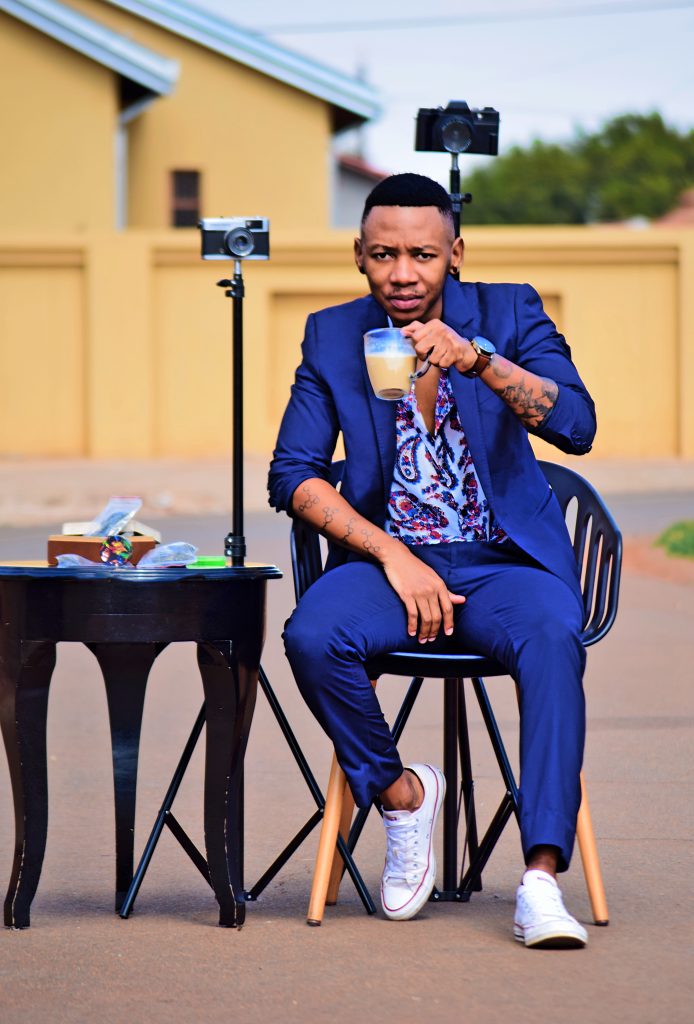
Download your Magazine copy here June 2024 Issue In the ever-evolving landscape of digital art, Sihle V stands out as a passionate curator and creator, seamlessly blending various art forms to express the boundless depths of human emotion and creativity. Sihle’s journey into digital arts curation was inspired by the vastness of digital art itself, providing a limitless canvas for exploration and expression. Sihle V’s approach to curating digital artworks is refreshingly organic. Eschewing rigid processes, he thrives on spontaneity and collaboration. Ideas spark his creativity, and he brings them to life through teamwork or do-it-yourself initiatives. This fluid, intuitive method reflects his deep, personal relationship with the arts. Although deeply enamored with painting, Sihle V found his calling in photography, capturing moments through his lens. His love for music, despite not being an instrumentalist, led him to digital music production. By incorporating photography and digital production into his curation, Sihle creates multidimensional art experiences that resonate with diverse audiences. The central theme in Sihle’s curated collections is the vastness of the human mind and the importance of exploring it.

Embracing the Digital Canvas: The Creative Odyssey of Sihle V Read More »

Farook Mohammed

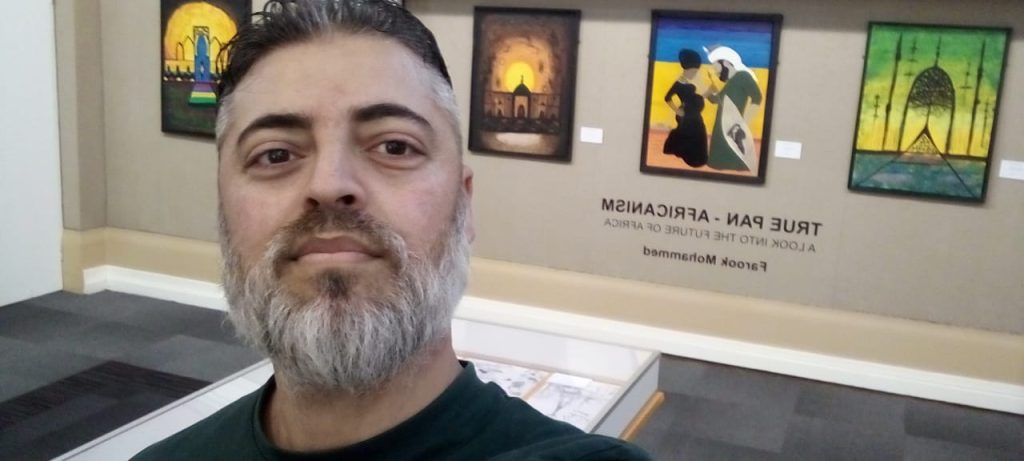
Download your Magazine copy here June 2024 Issue Farook Mohammed’s journey as an artist is deeply rooted in his upbringing in the culturally rich city of Gqeberha, South Africa. The vibrant and diverse heritage of his hometown provided a fertile ground for his creativity, infusing his work with a profound appreciation for African identity. Mohammed’s art reflects the stories, struggles, and triumphs of his community, using diverse cultural expressions to convey the principle of Ubuntu, a philosophy of unity, humanness, and brotherhood. Driven by themes of unity, peace, and social justice, Mohammed’s artwork challenges societal norms and sparks critical thought. His exhibition “True Pan Africanism: A Look into the Future of Africa” explores the continent’s potential for unity and progress, urging viewers to consider the power of collective action. Mohammed believes that advocating for peace and unity involves actively speaking out against injustice, using his platform to promote dialogue and inspire change. In the intersection of art, artificial intelligence (AI), and social responsibility, Mohammed sees a dynamic frontier. He emphasizes the need for ethical considerations in the use of AI, advocating for existing laws to be adjusted to address the challenges posed by new technologies.

Farook Mohammed Read More »

Empowering South Africa’s Artists: The Mission and Impact of Lawyers for the Arts South Africa NPC

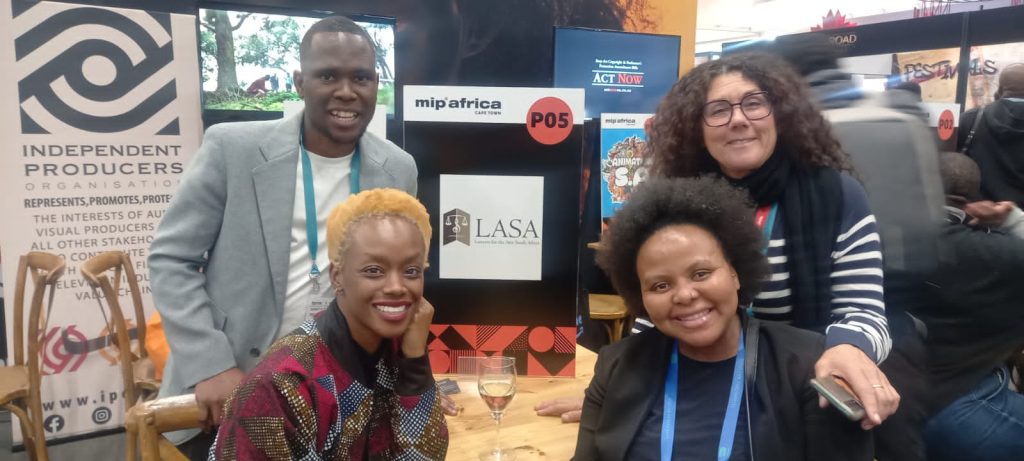
Download your Magazine copy here June 2024 Issue In a vibrant and diverse nation like South Africa, the intersection of legal advocacy and artistic expression is crucial for nurturing a flourishing arts community. Lawyers for the Arts South Africa NPC (LASA), a non-profit organization, has positioned itself as a pivotal force in bridging the gap between the legal and creative sectors. With a mission to empower through legal advocacy and artistic expression, LASA dedicates itself to supporting artists, creators, and cultural institutions across the country. particularly when it comes to protecting their intellectual property rights. LASA steps in to offer legal advice, resources, and representation tailored to the unique needs of creative professionals. Through workshops and seminars, the organization educates artists on topics such as copyright law, contract negotiation, and art-related legal issues. This education is vital in helping artists understand their rights and responsibilities, ensuring they can protect and monetize their work effectively. Beyond individual legal support, LASA engages in broader advocacy efforts. The organization works alongside governmental bodies and stakeholders to promote policies that sustain and grow the arts industry. By representing the interests of artists in policy discussions, LASA aims to create

Empowering South Africa’s Artists: The Mission and Impact of Lawyers for the Arts South Africa NPC Read More »

Minister Zizi Kodwa Resigns amidst Bribery Allegations: Impact on South Africa’s Creative Industry

Download your Magazine copy here June 2024 Issue On March 6, 2023, Zizi Kodwa, a prominent figure in South African politics, was appointed as the Minister of Sports, Arts and Culture. His new role placed him at the heart of South Africa’s vibrant creative and sporting sectors, promising a new era of support and growth. Kodwa’s career had been marked by his previous tenure as Deputy Minister of State Security and his significant contributions as the Spokesperson of the African National Congress (ANC). Kodwa’s appointment was met with optimism from artists, musicians, and athletes across the country. He was expected to champion the arts, nurture talent, and preserve South Africa’s rich cultural heritage. However, recent events have cast a shadow over his promising new chapter. In 2020, the Zondo-led commission of inquiry into state capture revealed allegations that Kodwa had received money from a former executive of EOH Holdings, South Africa’s largest technology group. These allegations resurfaced in dramatic fashion when, on a fateful Tuesday morning, news broke that Kodwa had been arrested in connection with R1.6 million bribery allegations. The arrest sent shockwaves through the creative community. Kodwa, who had symbolized potential and progress, was now embroiled in a legal battle that threatened to tarnish his legacy. He was expected to appear in the Palm Ridge Magistrate’s Court on Wednesday. Hawks spokesperson Brigadier Thandi Mbambo confirmed the arrest: “We can confirm that two individuals have been arrested following the Zondo commission recommendations on state capture. The two are to appear at Palm Ridge Specialised Commercial Crimes court on charges of corruption.” The charges against Kodwa are part of a broader investigation into contracts worth more than R460 million that the City of Johannesburg awarded to EOH Holdings in 2016. The company had been contracted to upgrade and maintain the city’s software systems, a project now mired in allegations of corruption. On June 5, 2024, Zizi Kodwa announced his immediate resignation as Minister of Sports, Arts and Culture. This resignation comes as he challenges the charges against him, which he strongly denies. Kodwa informed the President that he would step down as Minister and Member of Cabinet after being formally charged. In his resignation statement, Kodwa expressed his sincere appreciation to the President and the governing party for the opportunity to serve the nation. He also thanked the staff at the Ministry and Department of Sport, Arts and Culture, as well as all stakeholders in the sectors with whom he had worked closely as Minister. As of now, it is important to note that Zizi Kodwa has not been found guilty of the accusations. The legal process will determine his guilt or innocence. The principle of “innocent until proven guilty” remains paramount in this ongoing investigation. As the news spread, the creative industry watched with bated breath. This turn of events is not just about Zizi Kodwa; it is a story about integrity, accountability, and the ongoing struggle against corruption. Artists, musicians, and athletes are reflecting on the importance of transparency and the impact of leadership on their community. Despite the uncertainty, the creative spirit of South Africa remains resilient. The industry is rallying together, reaffirming their commitment to their craft and to each other. Regardless of the outcome of Kodwa’s legal battle, their passion for sports, arts, and culture continues to be a beacon of hope and inspiration for the nation. The story of Zizi Kodwa serves as a poignant reminder of the complexities of leadership and the enduring strength of South Africa’s creative community. The sector remains united and strong, ready to overcome challenges and continue to thrive, driven by the same creativity and determination that has always defined it.

Minister Zizi Kodwa Resigns amidst Bribery Allegations: Impact on South Africa’s Creative Industry Read More »

The Struggles of South African Artists Under The Last Six Government Administration: A Call for Change

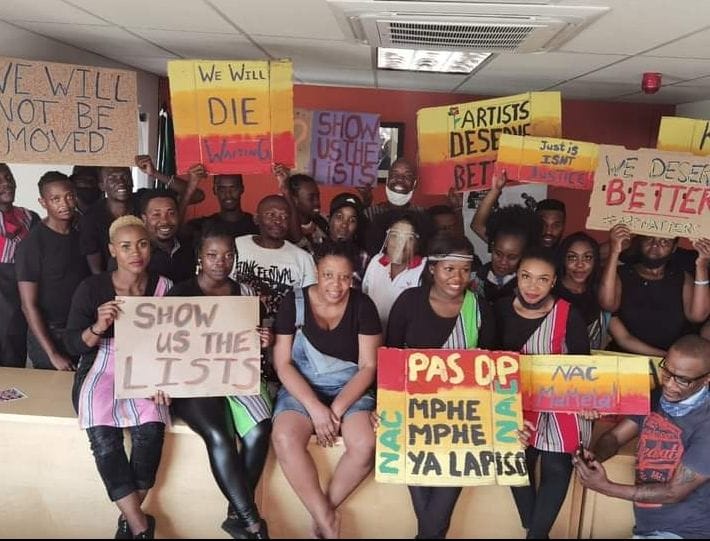
Download your Magazine copy here June 2024 Issue The transition to democracy in South Africa was heralded as a new dawn, a beacon of hope and renewal for all sectors of society, including the arts. The current ruling party came into power with promises of liberation, equality, and support for every citizen’s fundamental rights. Yet, the reality for South African artists over the last six administrations has been a far cry from this ideal. The journey began with optimism but quickly descended into a nightmare of neglect, exploitation, and systemic corruption. The Foundations of a Promising DemocracyThe story of South Africa’s democratic transition starts at the Convention for a Democratic South Africa (CODESA), a series of negotiations held in the early 1990s between various political factions. The goal was to establish a peaceful transition from apartheid to a democratic government. The resultant constitution, a document lauded for its inclusivity and protection of human rights, was a product of diverse ideologies and foreign legal principles.However, amidst the excitement of newfound freedom, the arts sector was overlooked. The constitution, while comprehensive in many respects, failed to adequately address the unique needs and challenges of the arts industry. This oversight has had far-reaching consequences, setting the stage for the struggles that South African artists face today. The Birth of Cultural PoliciesIn the years following the birth of democracy, a coalition of experienced arts practitioners, stakeholders, and government officials crafted the first White Paper on Arts, Culture, and Heritage. This document aimed to establish a legal framework for the arts, including laws, funding organizations, and cultural policies. Despite the promise of this initiative, the implementation of these laws has been sporadic and inadequate, with many policies remaining unfulfilled over 25 years later. Artists: The Forgotten EmployeesOne of the most glaring issues is the status of artists in South Africa. Despite their significant contributions, artists are not recognized as formal employees. This classification subjects them to exorbitant tax rates and denies them the employment benefits enjoyed by other sectors. The result is a precarious existence where many artists struggle to make a living, despite their vital cultural contributions. State-Owned Funding Organizations: Hubs of CorruptionThe promise of state support through funding organizations has also been marred by corruption and mismanagement. Entities such as the National Arts Council (NAC), the Department of Sports, Arts and Culture (DSAC), and the Gauteng Film Commission have become notorious for financial misappropriation and political interference. These institutions, intended to support and nurture artistic talent, have instead become looting grounds for unscrupulous politicians and bureaucrats.The arts funding model has become a contentious issue, with many questioning who truly benefits from these funds. Instead of fostering a thriving arts community, the allocation of funds often appears to be influenced by nepotism and favoritism, leaving deserving artists without the necessary support. Injustice and ResistanceThe systemic failures and injustices within the arts sector have not gone unnoticed. Over the years, artists have resorted to various forms of protest, including picketing, strikes, marches, and sit-ins. These acts of resistance highlight the deep dissatisfaction and frustration within the arts community. Organizations like the NAC, DSAC, SAMRO (South African Music Rights Organization), and SAMPRA (South African Music Performance Rights Association) have found themselves at the center of these protests, accused of failing the very people they are supposed to serve.The response from the state has often been heavy-handed. Artists have faced harassment, arrests, and even violence at the hands of the authorities. Such actions starkly contrast with the government’s professed commitment to upholding the rights and freedoms of its citizens. The Legacy of Apartheid and the Role of ArtistsIt’s essential to remember the critical role that artists played during the apartheid era. They were not just entertainers but also educators and activists, using their art to spread messages of resistance and hope. Many artists risked their lives and faced persecution for their contributions to the struggle against apartheid. This historical context makes the current neglect and mistreatment of artists even more egregious. A Call for ChangeAs South Africa approaches another election, the arts community stands at a crossroads. The upcoming vote on May 29, 2024, presents an opportunity for reflection and change. Artists and their supporters must remember the long history of struggle and the sacrifices made for the nation’s freedom. It’s a moment to demand accountability and to ensure that the next administration takes the needs and rights of artists seriously. ConclusionThe plight of South African artists under the ANC’s six administrations is a tragic tale of broken promises and systemic failure. The initial optimism of democracy has been overshadowed by corruption, neglect, and exploitation. However, the spirit of resistance and the call for justice remain strong within the arts community. As the nation moves forward, it is imperative to recognize and address these injustices, ensuring that artists receive the recognition and support they deserve. The vote on May 29, 2024, is not just about political change; it is about reclaiming the dignity and rights of those who have been forgotten for far too long.

The Struggles of South African Artists Under The Last Six Government Administration: A Call for Change Read More »

Challenges and Controversy: Insights from Day Two of the Discover Summit by GFC

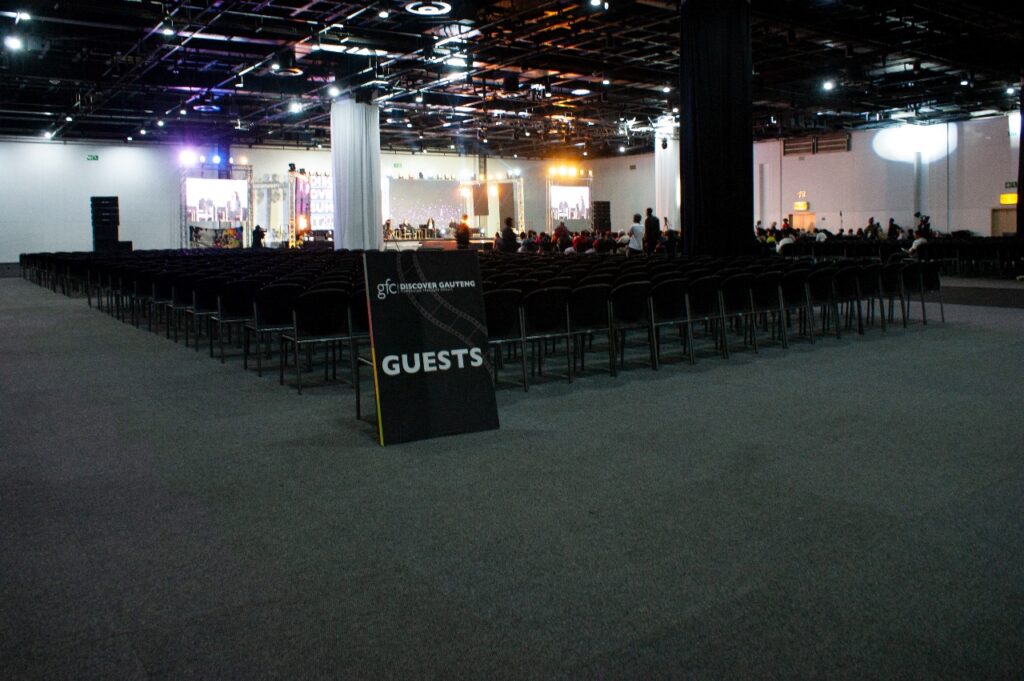
The second day of the Discover Summit by GFC commenced with a promising start, although attendance was lower due to previous unfavourable circumstances experienced on May 9th, 2024. Nonetheless, the line-up of panellists, including esteemed professionals such as Mandla N, NFVF, EF, Wildlife, Phillip Miller, and Animation SA, ensured insightful discussions on crucial industry topics. Key topics addressed during the summit included the profound impact of AI in film, the intersection of gaming and animation, the intricacies of film business operations, music scoring and production, copyright issues, location scouting, and navigating permissions from relevant authorities, including Metropolitan areas and the utilization of drones. However, the atmosphere shifted dramatically during lunchtime when a sizable contingent of law enforcement officers, colloquially referred to as “Panyazas” or “Green Beans,” arrived on the scene. Their presence disrupted the previously positive synergy, prompting questions from attendees, particularly artists, about their treatment. The disparity in treatment between general attendees and VIPs, as evidenced by the serving of different food options, further fueled dissatisfaction. This incident reflects a concerning trend wherein law enforcement is deployed in response to grievances raised by artists against Arts and Culture funding organizations and governmental bodies. Such actions have been observed previously, notably during the COVID-19 Pandemic Economic Stimulus Package (PESP) funding dispute with the National Arts Council, as well as in instances involving the former Minister of Sports, Arts, and Culture, Nathi Mthethwa, and shadow ministers. Moreover, recent comments by incumbent Minister of International Relations and Cooperation, Naledi Pandor, disparaging the creative arts industry, underscore the broader challenges faced by artists in South Africa, including a lack of government support and recognition. Despite these challenges, congratulations are due to the Gauteng Film Council for successfully hosting their inaugural summit. However, incidents such as the denial of access to the Imbizo Magazine crew at the awards ceremony serve as stark reminders of the ongoing struggles within the industry. “The footage of the Day 1 Summit youtube link https://youtu.be/XJ-PgTEEFXk”

Challenges and Controversy: Insights from Day Two of the Discover Summit by GFC Read More »

Shopping Cart
Scroll to Top