Tokologo Tau

Kippies Fringe Returns: Bold New Era of Storytelling Launched at Market Theatre

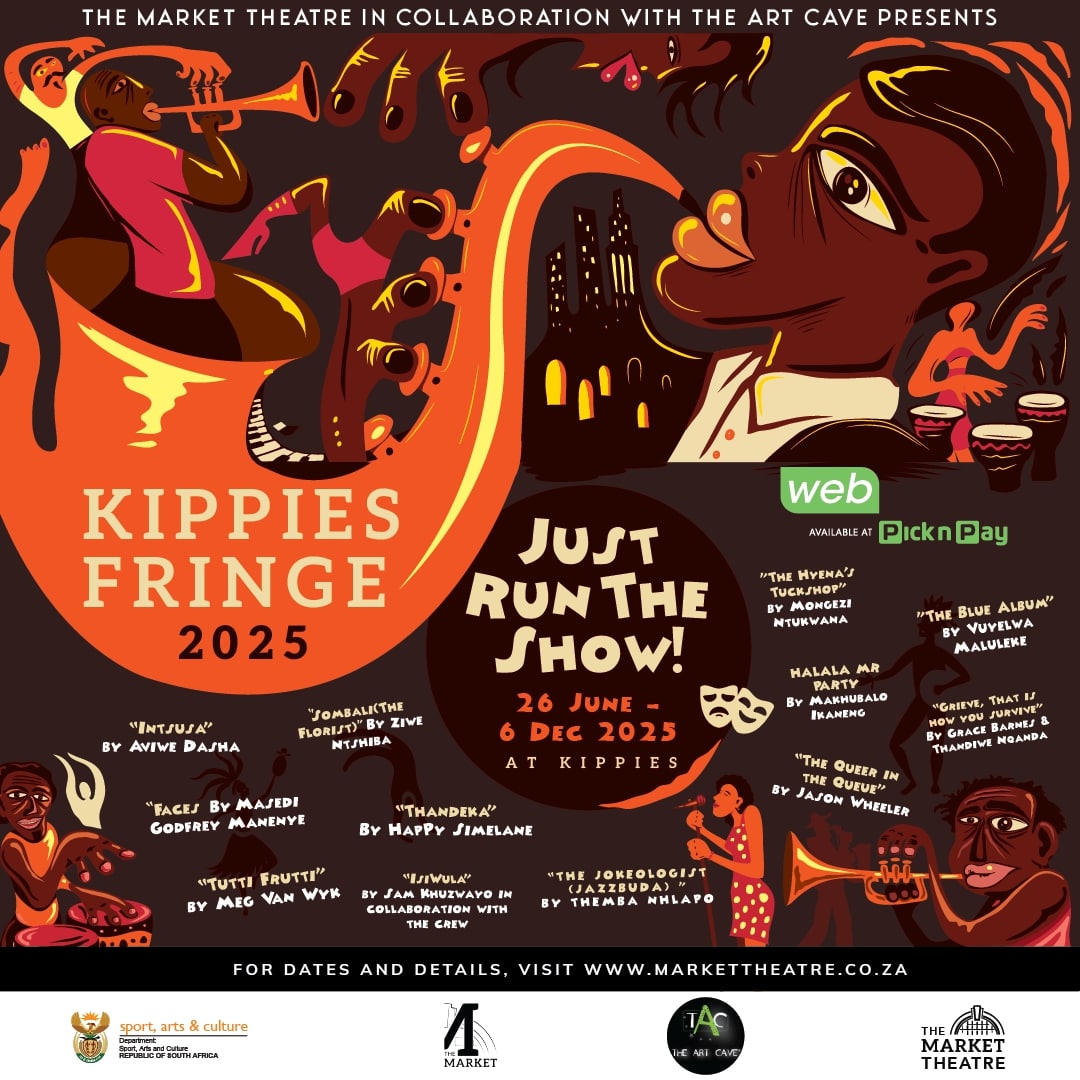
By Tokologo Tau The Market Theatre Foundation has officially launched the much-anticipated return of the Kippies Fringe Programme, reintroducing this iconic platform to South African audiences with a bold, unapologetic and artistically daring lineup. The launch took place on 30 May 2025 at the Market Theatre precinct in Newtown, Johannesburg, marking not just a new season but a new era for the country’s performance arts sector. Running from 26th of June through to December 6th 2025, the Kippies Fringe promises to be a crucible of radical creativity, housing intimate performances in the 50-seater Kippies venue—adjacent to the Market Theatre building. This space, once known for its jazz legacy, is now being reinvented as a powerful, multi-genre performance incubator. According to Philangezwi Nxumalo, one of the programme’s artistic curators, the return of Kippies is more than just a revival; it is a necessary cultural reawakening. “These themes aren’t just relevant; they are urgent,” Nxumalo says. “We’re living in a time where theatre must do more than entertain—it must interrupt, heal, educate, and transform.” A Curation of Urgency and Courage The 2025 edition, curated under the theme “The Art Cave”, promises an evocative experience, navigating through youth resistance, musical legacy, queer pride, ancestral healing, and personal reckoning. Each production is a call to action—disruptive in form and grounded in emotional truth. Tebogo Malapane, who spearheaded the shortlisting process, describes the curation as both surreal and transformational. “As a creative deeply concerned with the evolution of theatre, I’m not here to replicate tradition. I’m here to stretch it, flip it, and reimagine it,” he notes. “The Kippies Fringe is more than a stage; it’s a testing ground for the raw, the risky, and the radically new.” The selection process was rigorous, considering submissions across a range of disciplines—spoken word, theatre, music, satire, and hybrid forms. The goal? To ensure that the Kippies Fringe lives up to its name: an edgy, independent space where the next generation of performance artists can truly be born. Highlights of the Kippies Fringe Line-up Audiences can expect a magnetic mix of performances, such as: Each of these productions brings something rare and necessary to the table—unfiltered voice, cultural weight, and theatrical experimentation. Reviving Kippies as a Cultural Powerhouse Artistic Director of The Market Theatre Foundation, Greg Homann, emphasised the return of the Kippies Fringe as a vital gesture toward supporting the country’s artistic ecosystem. “Utilising Kippies as a fringe venue ensures professional support for up-and-coming performers and artists,” Homann explains. “We’re creating an alternative space to encounter new voices—works that are still on the fringe, cultivating a fresh and dynamic layer of live-performance artists that could possibly feed into our main programming in the future.” Kippies has always been a space of emergence. Once echoing with jazz brilliance, it now pulses with the sounds of theatre’s next great voices—young, fearless, and beautifully unpredictable. A Celebration of The Fringe The 30 May 2025 launch event was itself a celebration of this new chapter. Attended by artists, creatives, media practitioners, funders, and members of the public, it featured preview performances, speeches from curators, and an atmosphere charged with creative energy. For many in the room, it was a homecoming—a space that finally said yes to risk, yes to vision, and yes to untold stories. More than just a seasonal programme, the Kippies Fringe 2025 is a movement, one that redefines the role of theatre in our society. It asks: What stories aren’t being told? Who hasn’t been seen? And more importantly: What happens when we make room for the radical, the wounded, the dreaming, and the defiant? Don’t Miss It If you are a lover of the arts, a curious cultural explorer, or someone yearning for work that challenges the status quo, Kippies Fringe 2025 is not to be missed. It’s theatre that doesn’t play it safe—and that’s exactly what we need right now. For tickets, full show listings, and updates, visit:www.markettheatre.co.zaOr follow the conversation on social media using the hashtag #KippiesFringe2025.

Kippies Fringe Returns: Bold New Era of Storytelling Launched at Market Theatre Read More »
Die Antwoord: A GLOBAL Phenomenon

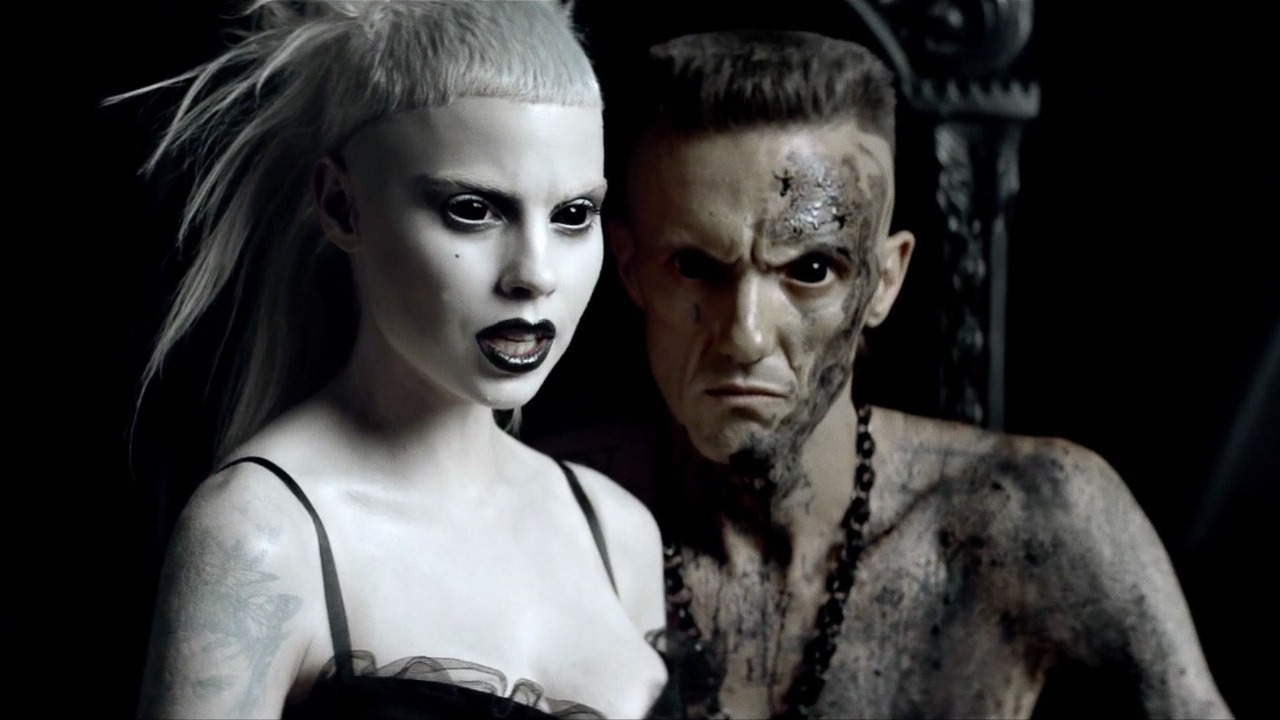
Die Antwoord, the enigmatic and controversial rap-rave duo from South Africa, has captivated audiences worldwide with their unique blend of hip-hop, electronic music, and Zef culture. Consisting of Ninja (Watkin Tudor Jones) and Yolandi Visser (Anri du Toit), Die Antwoord has built a global following with their rebellious energy, striking visuals, and unapologetic artistic expression. This article delves into their beginnings, struggles, achievements, and upcoming tours, exploring how they evolved from an underground act into an internationally acclaimed force in music and pop culture. Before Die Antwoord emerged, both Ninja and Yolandi had already been part of the South African music and arts scene. Watkin Tudor Jones was involved in various experimental music projects, including Max Normal and The Constructus Corporation, both of which laid the groundwork for his later artistic evolution. Yolandi Visser, originally from Port Alfred, met Jones while working on different creative projects, and the two developed a unique chemistry that would later define Die Antwoord. In 2008, Die Antwoord was officially formed, with their style deeply rooted in Zef culture—a South African countercultural movement embracing a blend of trashy aesthetics, working-class rebellion, and raw creativity. Their music incorporated heavy electronic beats, Afrikaans and English lyrics, and a provocative stage presence that quickly garnered attention. Their first album, $O$, was released in 2009 as a free digital download. The album included the breakout track “Enter the Ninja,” whose music video, featuring the late South African artist Leon Botha, went viral on YouTube. The unexpected success of “Enter the Ninja” catapulted them onto the international stage, catching the attention of record labels and media outlets worldwide. Despite their rapid rise, Die Antwoord faced significant challenges along the way. Their shocking aesthetic and raw lyrics led to polarizing opinions in both South Africa and abroad. Many critics dismissed them as a gimmick, while others accused them of cultural appropriation and exploiting stereotypes.One of their biggest hurdles came after signing with Interscope Records, a major American label. The relationship quickly soured, as the duo felt constrained by industry expectations. In an act of defiance, they left the label in 2011, opting to continue as an independent act. This decision meant taking financial risks and self-funding their projects, but it also allowed them to maintain full creative control. Download Your copy

Die Antwoord: A GLOBAL Phenomenon Read More »

LEVERNE FRANCES: A Journey of Passion, Perseverance, and Creativity

Leverne Frances’s story begins in the small coastal town of Mossel Bay, where she grew up surrounded by her parents, her sister, and her brother. Their home was modest, but the sense of warmth and love within the family was unmistakable. “Growing up in Mossel Bay was great,” Frances recalls. “I lived in a small house with both my parents, my sister, and my brother, and although we never had our own room (we turned our living room into a bedroom at night), we were extremely happy and content with everything we had.” The sense of contentment, despite their humble living conditions, shaped Frances’ values and outlook on life. She attended Sao Bras High School and matriculated in 2010, marking the beginning of a journey that would eventually lead her into the world of film, photography, and entrepreneurship. From an early age, Leverne developed an undeniable love for storytelling. This love initially manifested in filmmaking, a craft she was immediately drawn to for its ability to capture and convey powerful moments in time. “I’ve always had a love for photography, the ability to capture time and moments always left me in awe,” she shares. “I fell in love with filmmaking first, and because of that, the love for photography grew from there.” Leverne’s passion for photography bloomed after years of working on sets and gaining a deep understanding of the art of capturing moments. However, her career was not an easy one. Despite her growing interest in photography and filmmaking, she faced numerous hurdles, including a period where she struggled to find placement within media houses after completing her studies. Despite feeling disheartened at times, Frances’ passion never wavered. “I knew that my passion and vision that I have won’t let me. I had a goal in mind and I couldn’t give up on it,” she says. “I truly believed that my dreams are worth the fight.” Her determination became the driving force behind her decision to turn to photography as a profession, a choice that would eventually set the course for her future. Leverne’s recognized that her aspirations required a deeper understanding of the media industry, so she pursued a one-year, in-depth Film & Television Production learnership through The Movement Trust in Cape Town. During her time there, she was fortunate enough to land a three-month internship on the set of Arendsvei, an Afrikaans drama series. This experience not only reignited her passion for film and television, but it also provided her with valuable insights into the workings of large-scale productions. However, despite her qualifications and on-set experience, Leverne’s faced significant challenges. She struggled to secure permanent placement at media houses and found herself falling into depression. The emotional toll of not being able to provide for herself or her family made her reconsider her career choices. But Frances was steadfast in her belief that she was meant for something more. “I refused to go back to retail because it’s not what I wanted to do for the rest of my life,” she reflects. “I had a goal, and I couldn’t give up on it. I truly believed that my dreams are worth the fight.” This mentality led her to an epiphany that would change her life: she could use her skills to work for herself. Frances began looking into photography, reading up on the craft and diving deeper into its techniques. Eventually, she founded her own business, Alder Tree Media, where she could render both photography and videography services. Through hard work, dedication, and an application for a grant from the National Youth Development Agency (NYDA), she successfully acquired the equipment necessary to launch her business. Four years later, Alder Tree Media is still thriving, a testament to Leverne’s’ relentless perseverance and entrepreneurial spirit.

LEVERNE FRANCES: A Journey of Passion, Perseverance, and Creativity Read More »

ONBEAJ PODCAST: Embracing the Arts – A Journey Through Music and Creativity

ONBEAJ Podcast is unique in its approach—it does not just feature guests; it builds relationships. Every guest becomes part of the ONBEAJ family, with many returning to mentor others, collaborate on projects, or simply share space. This sense of continuity and collective care is what sets the podcast apart. The show is structured to allow for in-depth conversations. Whether it’s a young visual artist from rural Limpopo sharing their first gallery experience, or a beatmaker from Soweto discussing the transition from analog to digital production, each narrative is treated with respect and curiosity. This inclusivity has made ONBEAJ a sought-after platform, especially for independent and underground artists who rarely get mainstream recognition. Social media engagement also plays a key role. The podcast leverages hashtags like #EmbracingTheArts to drive discussion, share behind-the-scenes content, and spotlight featured guests. Through this digital village, fans and creators alike can connect, promote one another’s work, and engage in meaningful dialogues about creativity, identity, and the business of art. In a world constantly shifting through digital trends and fast-paced content, the ONBEAJ Podcast stands as a grounded, soulful sanctuary where the echoes of true artistic expression are heard. Born from the hearts and hands of musicians, creators, and storytellers, ONBEAJ is more than just a podcast—it’s a movement. The brainchild of a passionate team under the BGB Network, ONBEAJ (an acronym that reflects originality, nuance, boldness, and artistic justice) has carved out a space to embrace and celebrate the diverse artistic heritage that flows through the veins of South Africa. What began as a humble idea between artists who longed to hear their stories told has become a dynamic platform. ONBEAJ is dedicated to the elevation of all art forms—be it sound, movement, visuals, or performance. It is a gathering space, a digital amphitheater, for creators from all walks of life. It exists not only to showcase talent but to foster connection, spark collaboration, and promote cultural preservation. South Africa is a cultural mosaic—11 official languages, countless tribes and ethnic groups, each with their own unique artistic traditions. From the rhythmic gumboot dance of the mines to the soulful sounds of Afro-jazz and the vibrant colours of Ndebele murals, creativity is embedded into the very fabric of the nation. Yet many of these voices remain unheard, especially in the face of globalized content where local artistry often gets overshadowed. ONBEAJ Podcast refuses to let these voices fade into silence. Every episode serves as a love letter to the arts—raw, unfiltered, and rooted in authenticity. Listeners are taken on journeys through the lives of dancers, producers, vocalists, visual artists, actors, poets, and curators, offering not just their highlights, but also their hardships. It is here that emerging artists find their first mic, and seasoned veterans rediscover their purpose. The podcast operates with a simple but profound belief: art is not a luxury; it is a lifeline. It heals, teaches, provokes, and unites. By embracing all disciplines of the creative world, ONBEAJ provides a holistic view of what artistry looks like in today’s South Africa.

ONBEAJ PODCAST: Embracing the Arts – A Journey Through Music and Creativity Read More »

The Benefits and Understanding of Artistry as an Artist

Artistry is more than just a skill or profession—it is a way of life. Artists serve as visionaries, storytellers, and cultural custodians, using their creative expressions to inspire, challenge, and shape society. Understanding artistry goes beyond mastering a craft; it involves embracing the deeper purpose of art and recognizing its transformative power. This article delves into the benefits of artistry and the essential components of understanding the artistic journey. Artistry is a journey of exploration, expression, and impact. The benefits of being an artist extend beyond personal fulfillment to cultural preservation, economic opportunity, and societal influence. Understanding artistry means embracing the creative process, valuing discipline, welcoming critique, balancing passion with business, and recognizing the power of community. For those who embark on this path, artistry is not just about making art—it is about shaping the world through creativity and vision. The Benefits of Artistry 1. Self-Expression and Emotional Well-beingOne of the greatest benefits of being an artist is the ability to express oneself freely. Whether through music, painting, writing, or performance, artistry provides an outlet for emotions, thoughts, and experiences that might otherwise be difficult to articulate. This self-expression promotes emotional well-being, helping artists process their emotions and maintain mental health. 2. Personal Growth and Self-DiscoveryThe artistic journey is deeply personal and fosters self-discovery. Artists constantly push their boundaries, experiment with new ideas, and challenge themselves creatively. This process leads to personal growth, resilience, and a deeper understanding of one’s identity and purpose. 3. Cultural and Historical PreservationArtists play a vital role in preserving and documenting history, culture, and traditions. Through various mediums, they capture the essence of different eras, social movements, and cultural identities. This not only enriches society but also ensures that future generations have access to diverse narratives and artistic expressions. 4. Economic and Professional OpportunitiesArtistry offers a wide range of career opportunities. From visual arts and music to filmmaking and digital media, the creative industry is expansive. Artists can monetize their talents through exhibitions, performances, licensing, brand collaborations, and digital platforms, making a sustainable living while pursuing their passion. 5. Influence and Social ChangeArt has the power to provoke thought, inspire change, and challenge societal norms. Many artists use their platforms to address social injustices, advocate for marginalized communities, and bring awareness to critical issues. This makes artistry not just a personal endeavor but also a tool for transformation and progress. Understanding Artistry as an Artist 1. The Artistic Process and DisciplineUnderstanding artistry requires acknowledging the effort behind creativity. Contrary to the myth that art is purely spontaneous, artistic excellence demands discipline, practice, and continuous learning. From sketching and rehearsing to refining and perfecting, the creative process is an evolving journey that requires dedication. 2. Embracing Criticism and GrowthEvery artist must learn to handle feedback and criticism constructively. Growth comes from understanding different perspectives, refining skills based on constructive critiques, and remaining open to new inspirations and techniques. 3. Balancing Passion and BusinessMany artists struggle with the balance between creative passion and financial stability. Understanding artistry means recognizing that success requires both artistic integrity and business acumen. Learning about marketing, contracts, networking, and branding is crucial for artists who want to sustain their careers in the industry. 4. The Role of Inspiration and InfluenceGreat artists draw inspiration from a variety of sources—nature, culture, history, and personal experiences. Understanding artistry involves appreciating these influences and using them to create original works that reflect one’s unique perspective while acknowledging the artistic lineage that came before. 5. The Power of Collaboration and CommunityArt does not exist in isolation. Collaboration with other artists, mentors, and cultural institutions fosters growth and opens doors to new opportunities. Being part of an artistic community provides support, exposure, and a sense of belonging in a field that can sometimes feel isolating.

The Benefits and Understanding of Artistry as an Artist Read More »

Rato La Gago: A Soulful Amapiano Love Story

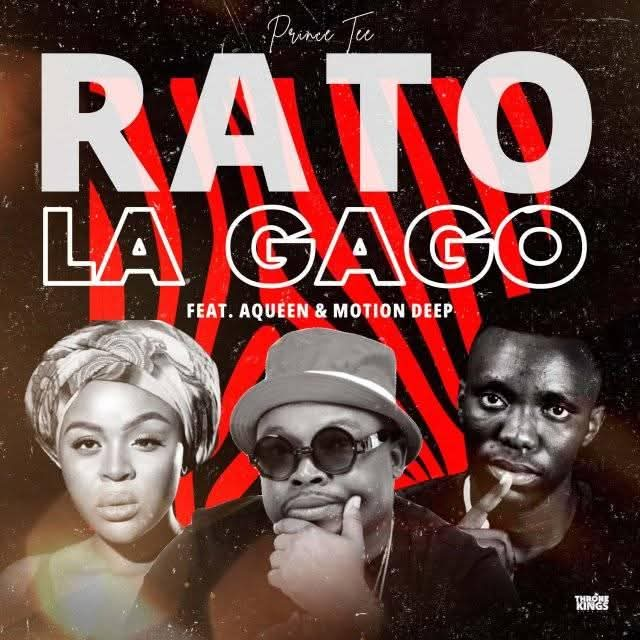
The South African music industry continues to witness the rise of young, dynamic artists shaping the soundscape with fresh and heartfelt compositions. One such remarkable track is Rato La Gago, a soulful Amapiano love song by Tebogo Maesela, known as Prince Tee, featuring Prudence Lepota (Aqueen) and Mxolisi Mathebula (Moxion Deep). The song beautifully encapsulates a deep, emotional connection between two lovers who, despite their long-standing feelings for each other, were unable to be together until now. The Creation of Rato La GagoThe foundation of Rato La Gago was laid in 2023 when Mxolisi Mathebula, also known as Moxion Deep, produced the track while still in Grade 11. The lyrical composition, penned by Aqueen and Prince Tee, tells a compelling love story through a musical conversation between two souls finally reuniting after years of longing. The song was officially released in February 2023 under Throne of Kings, a record label owned by Prince Tee. The track quickly resonated with audiences, solidifying its place in the Amapiano scene. The Visual ExperienceComplementing the emotional depth of the song, the music video for Rato La Gago was released on December 13, 2024. The visuals were masterfully captured by Toolz Films, an award-winning cinematographic company renowned for its high-quality storytelling. The music video brought the love story to life, enhancing the connection between the song’s message and its audience. Recognition and AchievementsRato La Gago did not go unnoticed in the music industry. The song was nominated for Song of the Year on YouFM, a major commercial radio station, as well as Unity FM, a well-regarded community radio station. Competing alongside industry giants such as Big Zulu and DJ Tira, the track held its own, securing the 8th position on YouFM and an impressive 2nd place on Unity FM. The song’s success highlights the talent and dedication of Prince Tee, Aqueen, and Moxion Deep, proving that passion and storytelling remain at the heart of great music. With its smooth beats, emotive lyrics, and captivating visuals, Rato La Gago has cemented itself as a memorable love anthem in the Amapiano genre. As the track continues to make waves, fans eagerly anticipate what’s next for these rising stars. One thing is certain: the future of South African music is in good hands.

Rato La Gago: A Soulful Amapiano Love Story Read More »

The 2025 State of the Nation Address: A Futile Exercise in a Darkened Nation?

Introduction On February 6, 2025, President Cyril Ramaphosa stood before the nation to deliver the annual State of the Nation Address (SONA), an event meant to outline the government’s so-called achievements and plans for the future. However, for millions of South Africans, the address was not only irrelevant but a cruel joke, as they sat in darkness—literally—thanks to Eskom’s ongoing load reduction. While the President waxed lyrical about economic growth and infrastructure plans, entire communities remained disconnected from this vision, left to wonder whether SONA was truly for the people or merely for the political elite. This article delves into the hypocrisy surrounding SONA, questioning its relevance in a country shackled by perpetual power cuts. More importantly, it exposes the devastating impact of load reduction on South Africa’s fragile Heritage, Arts, and Culture industry—a sector that, despite its significance, remains sidelined in national discourse. Key Highlights of the 2025 SONA Despite the power outages affecting millions of South Africans, the President covered several key topics during his address. Among the most notable were: While these announcements seemed promising, their effectiveness remains to be seen, particularly in light of South Africa’s ongoing infrastructure failures. A Speech for the People—But Which People? SONA has long been marketed as a platform for transparency, where the President reports on the state of the country and reassures citizens that progress is being made. Yet, this year’s address was met with widespread frustration. Not because the public doubted the importance of leadership communication, but because they were deprived of the ability to witness it firsthand. What is the point of a national address when half the nation cannot even access it? Load reduction—an even more insidious cousin of load shedding—was in full force during the address. Unlike scheduled blackouts, which at least come with some degree of predictability, load reduction disproportionately affects already marginalized communities, leaving millions without electricity for five hours or more at a time. Ironically, one of the central themes of this year’s SONA was economic revitalization, with President Ramaphosa promising that South Africa’s economy would be restored to growth levels above 3%. But how can an economy grow when businesses are forced to shut down daily due to power cuts? How can investors take South Africa seriously when its most basic infrastructure fails on a daily basis? How can artists, musicians, and cultural institutions survive in an environment where they are literally and figuratively kept in the dark? The Brutal Impact of Load Reduction on the Heritage, Arts, and Culture Sector While South Africa’s economy as a whole suffers under these conditions, no sector feels the effects of load reduction more acutely than the Heritage, Arts, and Culture industry. Often dismissed as non-essential, this sector is the backbone of South Africa’s identity and storytelling. It is where history is preserved, where voices are amplified, and where the soul of the nation resides. Yet, it is being choked by an unreliable power supply that threatens its very existence. Theatre productions, live concerts, and festivals require lighting, sound, and multimedia setups—all of which depend on a steady electricity supply. The erratic and lengthy power cuts are making it impossible for these events to take place, forcing artists to cancel or reschedule performances at a financial loss. Venues that operate on tight budgets cannot afford generators or alternative power sources, leaving performers jobless and audiences deprived of entertainment. Museums, galleries, and archives house centuries of history in fragile forms—paintings, manuscripts, artifacts, and sculptures that require controlled environments. Load reduction disrupts temperature regulation systems, causing irreversible damage to priceless items. Imagine a nation that boasts about its rich history but allows its heritage to be destroyed because it cannot keep the lights on. That is South Africa today. In an era where digital content is king, filmmakers, video editors, and designers rely heavily on electricity. Without power, they cannot work. Data is lost. Productions are delayed. Artists miss deadlines. In a country where unemployment is already rampant, the impact of this cannot be overstated. South Africa has a growing film industry that competes on the global stage—yet how can it thrive when basic infrastructure fails? Music schools, dance academies, and art centers are experiencing severe disruptions, impacting thousands of students who depend on these institutions for training and career advancement. Educators are unable to conduct classes, and students are unable to practice or perform. The long-term impact? A generation of artists who never get the chance to realize their potential. Is There a Way Forward? Or Are We Doomed to Darkness? If the government truly values South Africa’s cultural sector, urgent interventions must be made. Here are some necessary steps: A Nation Left in the DarkThe 2025 SONA was meant to be a moment of clarity, a roadmap for South Africa’s future. Instead, it became yet another reminder of the country’s deepening crisis. The question now is, will the government listen, or will the people have to find their own light in the darkness?  

The 2025 State of the Nation Address: A Futile Exercise in a Darkened Nation? Read More »

Floyd Lavine: The African Nomad Redefining Electronic Music

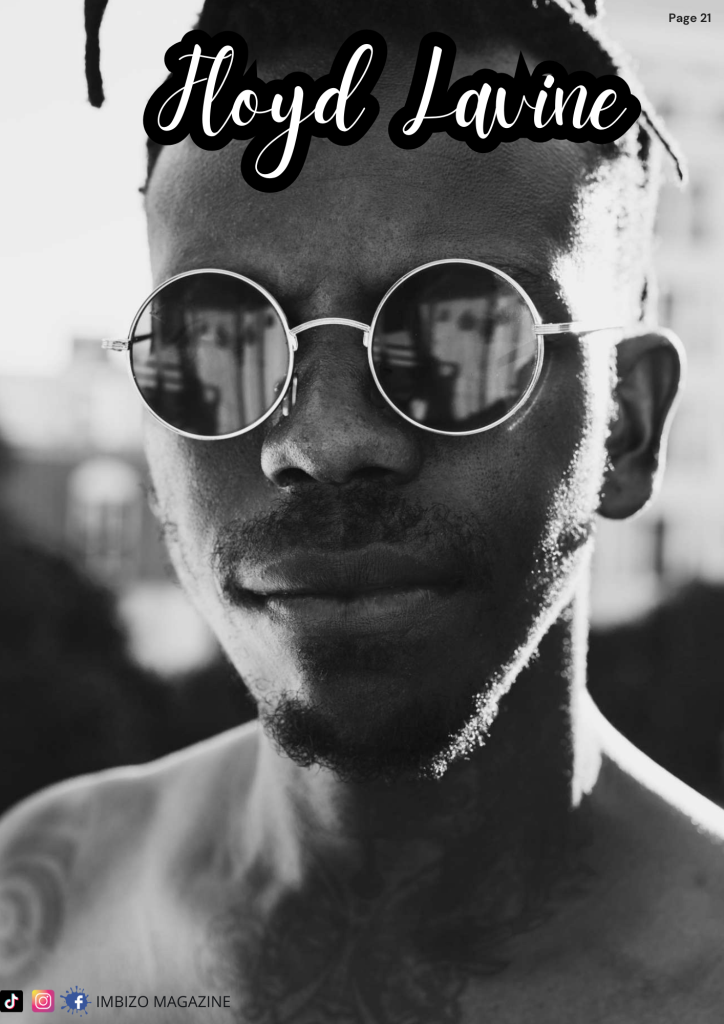
Floyd Lavine is a name that resonates deeply within the global electronic music scene. Known as an ‘African Nomad,’ his artistry is rooted in his African heritage, and his passion for crafting dynamic grooves embodies the soul of the continent. From his innovative DJ sets to his work as a producer and label owner, Floyd Lavine continues to carve a unique space in the electronic music landscape, showcasing the richness of African culture while pushing the genre’s creative boundaries. Born and raised in South Africa, Floyd Lavine was exposed to a diverse range of musical influences from an early age. Growing up in a country with a vibrant musical history, he absorbed the rhythms of Afrobeat, jazz, kwaito, and house music. These elements would later become the foundation of his distinctive sound. His journey into electronic music began in earnest when he discovered the power of DJing and production as a means of storytelling—an art form that allowed him to express his deep-rooted cultural identity while embracing the ever-evolving sounds of the global dance music scene. Musical Style and Philosophy Floyd Lavine’s approach to electronic music is characterized by an exploration of rhythm, melody, and storytelling. He seamlessly blends Afro, techno, and disco elements, creating a sonic journey that transcends borders and speaks to the universal language of dance. “My mission and vision are to create a space of love, trust, humility, kindness, and connection. My sets take listeners on a journey into a world of sonic wonderland, filled with fun and love,” Floyd expresses. His DJ sets are immersive experiences, taking audiences on a spiritual and emotional ride. Whether performing at intimate underground clubs or massive festival stages, Floyd’s ability to connect with his audience is a testament to his skill as a performer and curator.

Floyd Lavine: The African Nomad Redefining Electronic Music Read More »

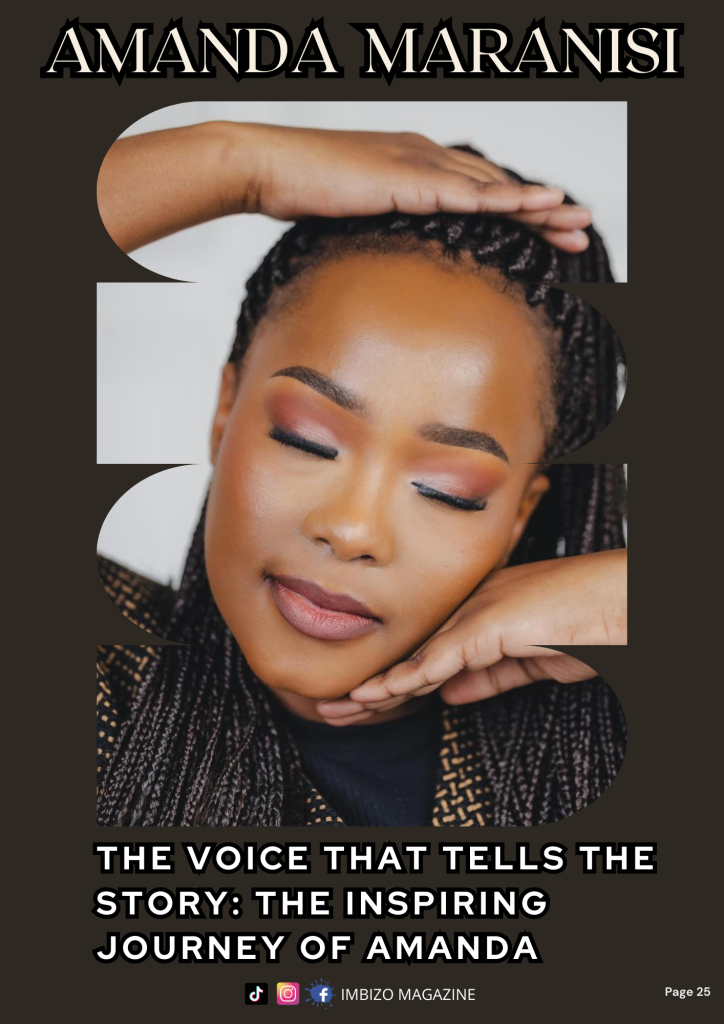
The Voice That Tells the Story: The Inspiring Journey of Amanda

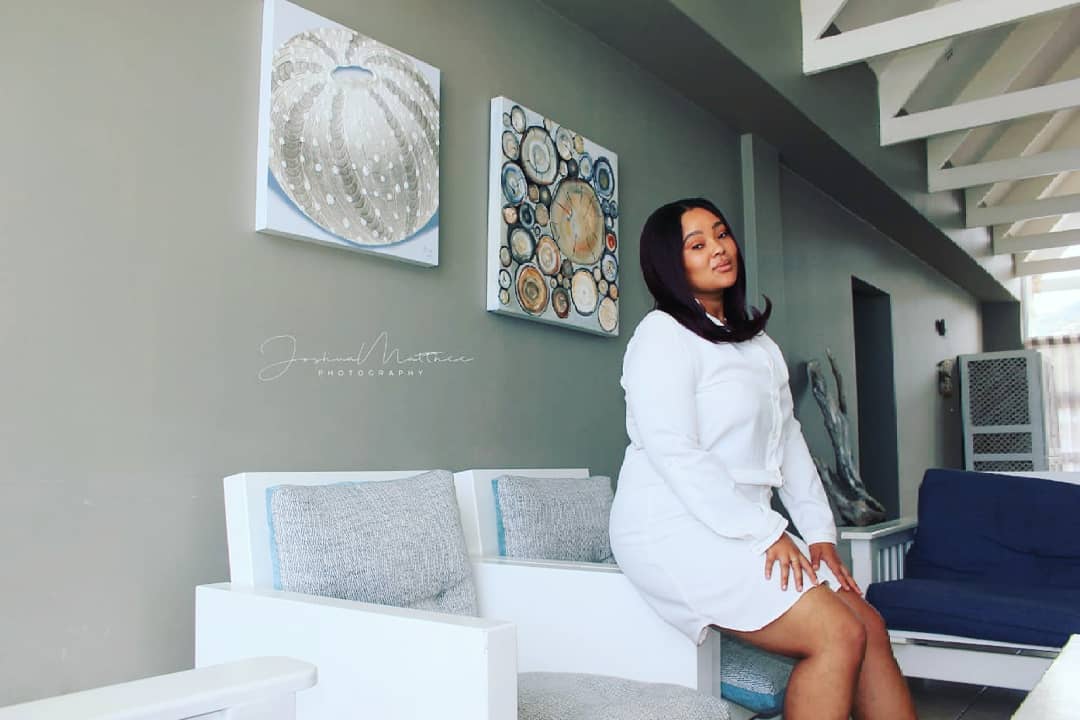
It all began with a tiny radio in a quiet village where development was unhurried, and entertainment was scarce. For Amanda, that little radio was more than just a device—it was a gateway to the world beyond the rolling hills and distant mountains of her childhood home. She listened intently, imagining the places mentioned on the news and wondering whether they lay at the end of a nearby river or beyond the horizon where birds disappeared into the sky. This deep curiosity, coupled with an unquenchable thirst to explore, would eventually shape her extraordinary journey into the world of broadcasting and voice artistry. Born in the Eastern Cape, Amanda spent the first decade of her life in Vaalbank, a village on the outskirts of Queenstown. Life was simple, and while indigenous games and storytelling enriched her childhood, nothing fascinated her more than the radio. It was a mystery to her—a small object that carried so many voices, jingles, music, and the latest news from around the world. She saved every cent she could to buy batteries, ensuring she never missed a single broadcast. Amanda’s obsession with radio led to an unexpected discovery—her exceptional memory and speech skills. She began repeating the news verbatim for her great-grandparents, who marveled at her linguistic development. Her teachers, too, noticed her extraordinary reading abilities, but books were scarce in her village. This hunger for knowledge, however, was just the beginning of her incredible path. A move to Daveyton, Gauteng, opened new doors. Her academic excellence shone through, and her teachers and family recognized her potential. They encouraged her to explore television and radio, where she could use her talent and passion for storytelling. In 2005, she began calling into uMhlobo Wenene FM’s children’s shows and actively participated in various SABC programs. The highlight of her early career came when she auditioned for Kids News—a moment that brought her closer to her dreams. Amanda looked up to broadcasting legends like Noxolo Grootboom, Zodwa Nogilana, the late Pearl Shongwe, Gcina Mhlophe, and Siyavuya Sineke. Inspired by their commanding voices and storytelling prowess, she knew she wanted to follow in their footsteps. With determination, she pursued higher education at the University of Johannesburg (UJ) while simultaneously honing her craft in media. She joined OMG Academy, led by Yolanda Obakeng, and trained at Revolution Media House, obtaining qualifications in broadcasting, scriptwriting, TV, and film production. While at UJ, Amanda didn’t just focus on her personal ambitions—she gave back to the community. She volunteered at Joyous Radio for three years, gaining invaluable experience. She also participated in UJ’s Community Engagement projects, tutoring literature and history in schools and working with orphanages and hospitals. She and her peers cultivated a culture of reading among young learners, reinforcing her belief in the power of storytelling and education.

The Voice That Tells the Story: The Inspiring Journey of Amanda Read More »

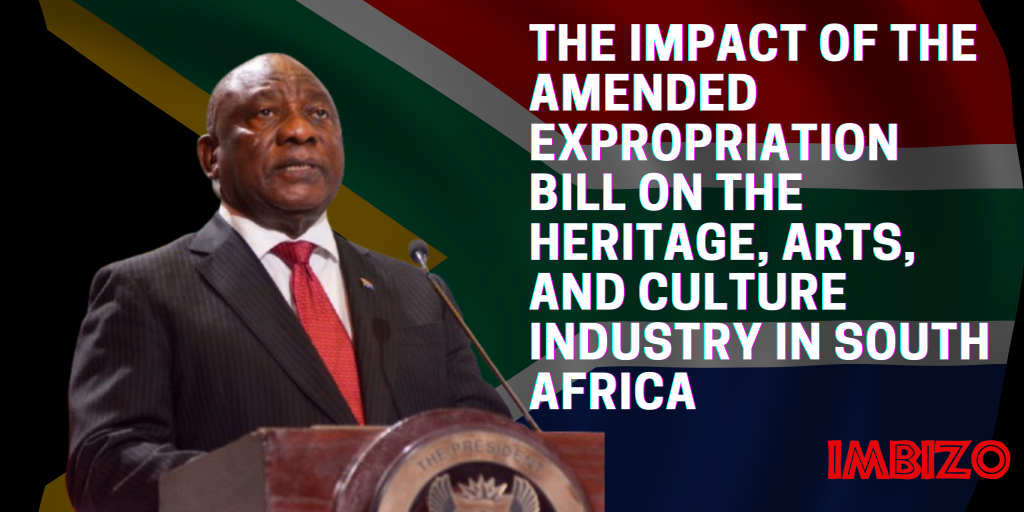
The Impact of the Amended Expropriation Bill on the Heritage, Arts, and Culture Industry in South Africa

The Expropriation Bill, which was recently amended, has sparked widespread discussion across various industries in South Africa, including the Heritage, Arts, and Culture sector. The bill, rooted in Section 25 of the Constitution, allows for the expropriation of property for public purposes or in the public interest, with provisions for nil compensation in certain circumstances. While much of the debate has centered around land reform, the implications for the preservation, promotion, and sustainability of South Africa’s rich cultural and artistic heritage cannot be ignored. This article explores how the amended bill will impact historical sites, cultural institutions, creative spaces, and the livelihoods of artists. The Expropriation Bill provides a legal framework for the government to acquire private property for the benefit of the public. Key provisions include: While the bill primarily addresses land redistribution, its effects on the broader cultural and artistic landscape require deeper analysis. Implications for Heritage Sites and Cultural Landmarks One of the primary concerns is the potential impact on heritage sites and cultural landmarks, many of which are privately owned or held in trust by cultural institutions. The bill’s provisions could lead to: Government Acquisition of Cultural Sites: Historical buildings, monuments, and museums may be subject to expropriation if they are deemed to serve a greater public purpose. This could provide an opportunity for the state to preserve these spaces more effectively but also raises concerns about bureaucratic inefficiencies and resource allocation. Threats to Indigenous and Community-Owned Heritage: Many sacred and culturally significant sites are held by traditional councils or community trusts. The expropriation of such sites could disrupt cultural continuity and community governance. Conservation and Restoration: Expropriation may offer new opportunities for government-funded restoration projects but may also displace organizations currently managing these sites. The Role of Artists and Cultural Activists Artists and cultural activists have historically played a key role in advocating for social change, and their involvement in shaping policies related to expropriation is crucial. Some ways in which they can influence the discourse include: Policy Engagement: Participating in consultations to ensure that the bill safeguards artistic and cultural spaces. Community Mobilization: Raising awareness about the potential effects of expropriation on heritage preservation. Advocacy for Fair Compensation: Ensuring that artists and cultural institutions receive just compensation when properties are expropriated.

The Impact of the Amended Expropriation Bill on the Heritage, Arts, and Culture Industry in South Africa Read More »

Shopping Cart
Scroll to Top