Tokologo Tau

DBN GOGO: A Journey from Humble Beginnings to Amapiano Stardom

Download your Magazine copy here Oct 2024 Issue DBN GOGO, born as Thobeka Nokuthula Makhathini in Pretoria, South Africa, has become a household name in the Amapiano genre. Growing up in a vibrant and culturally rich environment, she was exposed to various musical influences from a young age. Her love for music was evident, with her family encouraging her passion and creativity. DBN GOGO attended local schools where her artistic talents began to flourish. While she was a dedicated student, her heart lay in the rhythm and beats of music. Balancing academics and her passion for music, she became known among her peers for her unique taste and flair for DJing. After completing high school, DBN GOGO pursued further education at the University of Pretoria, where she studied business management. This academic background would later prove invaluable as she navigated the complex music industry. During her university years, she began honing her skills as a DJ, participating in local events and gatherings that showcased emerging talent. Her breakthrough came when she embraced the Amapiano genre, a uniquely South African sound that fuses deep house, jazz, and lounge music. DBN GOGO’s distinctive style and electrifying performances quickly gained traction, leading her to collaborate with other prominent artists and producers within the scene. DBN GOGO’s rise to fame has been nothing short of meteoric. She has become a trailblazer in the Amapiano movement, captivating audiences not only in South Africa but around the world. Her innovative mixes and dynamic performances have set her apart, earning her a loyal fanbase and critical acclaim. In a landmark achievement for both herself and the genre, DBN GOGO made history as the first Amapiano DJ to perform at the iconic Tomorrowland festival. This moment was not just a personal triumph; it marked a significant milestone for South African music on a global stage. Her performance at Tomorrowland showcased the infectious energy of Amapiano and introduced this vibrant genre to an international audience.

DBN GOGO: A Journey from Humble Beginnings to Amapiano Stardom Read More »

The History of Pantsula Dance: A Cultural Movement from the Townships of South Africa

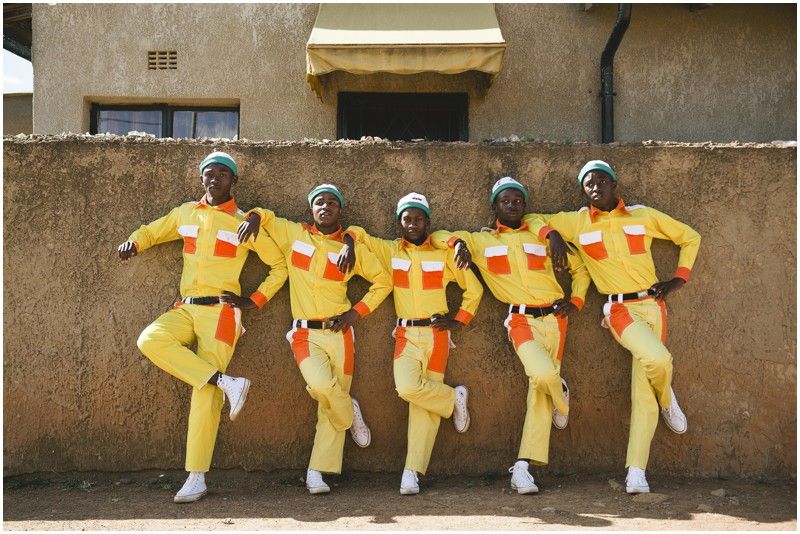
Download your Magazine copy here Oct 2024 Issue Pantsula dance, a vibrant and energetic street dance form, is deeply rooted in the cultural landscape of South Africa’s townships. Emerging in the 1980s, Pantsula is not just a dance style; it represents a social movement that encapsulates the struggles, hopes, and identity of a generation. This article explores the origins, evolution, and cultural significance of Pantsula dance in the South African context. The roots of Pantsula dance can be traced back to the socio-political climate of South Africa during the apartheid era. The 1980s were marked by widespread oppression and racial segregation, particularly affecting communities in the townships. In response to this environment, young people sought to express their frustrations, hopes, and aspirations through various forms of art, including dance. Pantsula evolved from earlier dance styles, incorporating elements of traditional African dance, as well as influences from jazz, hip-hop, and the local kwaito music genre. The term “Pantsula” is derived from the “pants” worn by dancers, which often feature brightly colored and stylish outfits, reflecting their cultural pride and individuality. Pantsula dance is characterized by its fast-paced footwork, intricate movements, and improvisational style. Dancers often perform in groups, showcasing a mix of choreographed routines and spontaneous expression. The dance incorporates elements of social commentary, often reflecting the daily lives and struggles of township residents. The lyrics of accompanying music frequently address themes of resistance, social justice, and unity, serving as a voice for the marginalized. Pantsula dance emerged as a form of resistance against the oppressive regime of apartheid. It provided a platform for young people to assert their identity and challenge societal norms. The dance became a means of solidarity and empowerment, fostering a sense of community among participants. Pantsula crews, often formed in local neighborhoods, played a crucial role in building camaraderie and mutual support. The rise of kwaito music in the 1990s further solidified Pantsula’s place in South African culture. Kwaito, characterized by its catchy beats and relatable lyrics, became the soundtrack of the township experience. As kwaito gained popularity, so too did Pantsula dance, with dancers often performing at local events, parties, and competitions. The fusion of music and dance created a dynamic cultural movement that resonated with the youth of the time.

The History of Pantsula Dance: A Cultural Movement from the Townships of South Africa Read More »

Rising Star: S’nazo’s Journey Through Music, Love, and Hope

Download your Magazine copy here Oct 2024 Issue Sinazo was born in Mthatha, a vibrant town in South Africa’s Eastern Cape, but much of her childhood was spent in the smaller, rural town of Elliotdale, where she lived with her grandmother. Growing up in a musically inclined family, Sinazo was immersed in the world of sound from an early age. Family gatherings, especially during holidays, would transform into festive musical events. She recalls Christmas mornings, when her family would gather, the HiFi would be set up outside, and cassettes of Brenda Fassie and Thandiswa Mazwai would play on loop. This backdrop of lively family sing-alongs and vibrant music imprinted on her soul. She describes her family as a “clash of choirs,” with each family member contributing their voice, creating a rich harmony that echoed through her grandmother’s house. Despite being too young to understand the depth of these experiences at the time, Sinazo now recognizes how those moments cultivated her love for music. From those early family gatherings, she began dreaming of making music that could serve as a soundtrack to people’s lives, just as those songs had colored her childhood memories. Beyond her family’s influence, her primary school choir master, Mr. Zwai Mahlezana, played a pivotal role in developing her passion for music. He introduced her to the structure and discipline required to create harmony and blend voices, making music a central part of her life. However, the idea of pursuing music as a career seemed elusive. Growing up in a community where most people pursued traditional careers like teaching, nursing, and medicine, Sinazo had little exposure to professional musicians. Nonetheless, these foundational experiences nurtured her dream of singing and sharing her story through music. Sinazo’s educational journey saw her moving between schools. She attended Vulingcobo JSS for her first two years, before moving to Chris Hani Community JPS in Mthatha. Later, she returned to Elliotdale to complete her schooling at Nyangilizwe JSS and then Dalindyebo SSS, where she graduated in 2014. Her high school years were filled with singing, as she found herself drawn to every musical opportunity available. She later pursued a degree in Social Sciences from the University of the Free State, majoring in Sociology and Criminology. University was where Sinazo truly began to find her voice as a performer. She participated in talent shows such as Kovsies Got Talent and the Bloem Show Talent Search, exploring stages and audiences that would fuel her drive to continue singing. Although auditions for platforms like Idols did not yield immediate success, they gave her valuable experience. Her consistent commitment to music also found a home in the church and with the Student Christian Organization (SCO), where she could express her talents within a community setting.

Rising Star: S’nazo’s Journey Through Music, Love, and Hope Read More »

The History of House Music and the Influence of DJ Frankie

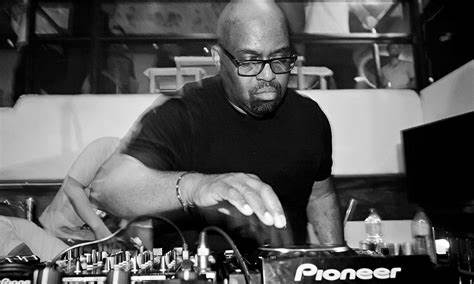
Download your Magazine copy here Oct 2024 Issue Frankie Knuckles, often referred to as the “Godfather of House Music,” was instrumental in the development of this new sound. A native of the Bronx, New York, Knuckles moved to Chicago in the late 1970s, where he began experimenting with blending different musical styles. His sets featured extended mixes that kept the dance floor moving, combining elements of disco with electronic sounds. In the early days, house music was primarily an underground phenomenon. DJ Frankie Knuckles and his contemporaries like Ron Hardy, Marshall Jefferson, and Larry Heard were influential in the genre’s early development. Knuckles, in particular, became known for his ability to create a euphoric atmosphere on the dance floor, skillfully mixing tracks to maintain a continuous flow. By the mid-1980s, house music began to gain traction beyond Chicago. As DJs and producers started to release tracks, the genre started to proliferate across the United States and into Europe. The use of synthesizers, drum machines, and samplers allowed for innovative production techniques that pushed the boundaries of traditional dance music. House music emerged in the early 1980s in Chicago, Illinois, as a response to the burgeoning disco scene of the 1970s. This genre arose from the need for a new sound that could capture the energy and ethos of the underground dance clubs. The genre was characterized by its repetitive 4/4 beat, synthesized basslines, and the use of samples from funk, soul, and disco tracks. The name “house” is widely believed to derive from the Warehouse, a Chicago nightclub where DJ Frankie Knuckles played a pivotal role in shaping the genre. The late 1980s and early 1990s marked a significant turning point for house music as it spread globally. Clubs in cities like London, Berlin, and Ibiza embraced the genre, leading to the emergence of various subgenres, including deep house, acid house, and progressive house. This diversification contributed to the evolution of house music, as different scenes began to adopt and adapt the sound to their cultural contexts. DJ Frankie Knuckles continued to be a prominent figure during this period, collaborating with artists and releasing seminal tracks such as “Your Love” and “Baby Wants to Ride.” His work helped define the sound of house music and solidified his status as one of its key architects. DJ Frankie Knuckles’ influence on house music cannot be overstated. His ability to fuse genres and his keen understanding of what kept a dance floor alive made him a revered figure in the music community. He was not just a DJ; he was a creator who crafted a new sound and cultivated a vibrant culture around it. Knuckles’ production work, particularly his remixes, brought house music to a broader audience. He was instrumental in popularizing the genre in the mainstream, collaborating with artists like Jamie Principle and Ten City. His tracks often featured soulful vocals and infectious melodies, bridging the gap between underground and commercial success. Today, house music remains a vital part of the global music landscape. From festival main stages to underground clubs, the genre continues to evolve while staying true to its roots. The impact of pioneers like Frankie Knuckles is evident in the work of contemporary artists and DJs who draw inspiration from his groundbreaking sound. In recognition of his contributions, Frankie Knuckles received numerous accolades throughout his career, including a Grammy Award for his remix of “Your Love.” His passing in 2014 marked the end of an era, but his legacy lives on, inspiring new generations of producers and DJs to explore the boundaries of house music. The story of house music is one of innovation, community, and cultural exchange, with DJ Frankie Knuckles at its heart. His pioneering spirit and creative vision helped shape a genre that continues to resonate with audiences around the world. As house music evolves, it remains a testament to the power of music as a unifying force, celebrating freedom, joy, and expression on the dance floor.

The History of House Music and the Influence of DJ Frankie Read More »

The Case Against P. Diddy: Facts and Developments

Download your Magazine copy here Oct 2024 Issue In recent months, music mogul Sean “P. Diddy” Combs has found himself embroiled in a serious legal situation that has captured public attention. The case revolves around allegations of assault, and its implications have reverberated throughout the entertainment industry. This article explores the facts surrounding the case, the evidence presented, and the individuals involved in opening the investigation. P. Diddy was arrested in connection with allegations of assault against an unnamed individual. The accusations include claims of physical violence and threats, which reportedly took place during a private event. The details surrounding the incident are still emerging, but the allegations have led to significant media scrutiny and public debate. The arrest occurred after a complaint was filed, prompting law enforcement to investigate the situation. P. Diddy was taken into custody, and the case has since garnered widespread attention due to his status as a prominent figure in the music industry. The investigation into P. Diddy was opened following a report filed by the alleged victim, who detailed the circumstances surrounding the incident. The police initiated their inquiry based on the severity of the claims, which included not only physical assault but also psychological intimidation. The specifics of the complaint have not been publicly disclosed in their entirety, but the nature of the allegations has led to a significant response from authorities. The victim’s identity has not been revealed, adding a layer of complexity to the case and raising questions about privacy and public interest.

The Case Against P. Diddy: Facts and Developments Read More »

ICC Bosberaad Follow-Up: Artists Left Out of the Conversation as The Minister Propose New Operational Model

Download your Magazine copy here Oct 2024 Issue In a follow-up to the ICC Bosberaad held in Boksburg on August 28, 2024, the 50 leaders who were selected during the event reconvened on October 28. Hosted by the Minister of Sports, Arts, and Culture, the meeting provided a platform for these newly elected representatives to present a new operational model for the Department of Sports, Arts, and Culture. While details of this model remain under wraps, its apparent exclusivity has left many South African artists feeling sidelined and disregarded. Although this proposal is touted as the foundation for a more efficient, unified approach to managing the department’s various sectors, artists and creatives have voiced concerns over the lack of transparency and direct input in shaping these reforms. Many fear that the model presented at the feedback meeting caters primarily to the leaders and political figures who attended the original Bosberaad, leaving the genuine needs and interests of artists unaddressed. What artists urgently seek from the Minister is not a reorganization but a commitment to addressing long-standing issues with the Constitution and other legal frameworks that many feel actively oppress their rights. One of the most pressing concerns is the new document that seeks to reform copyright laws, including the “fair use” provisions, which artists believe will further exploit their intellectual property rights. Artists have made it clear that they do not want President Ramaphosa to sign or amend these laws without comprehensive revisions and consultation with the artistic community.However, Minister McKenzie has been notably absent on these critical matters, seemingly more focused on pushing through departmental changes than attending to the foundational legislative concerns raised by artists. His lack of response on copyright reform and fair use regulations has intensified concerns that his agenda is detached from the realities of South Africa’s creative sector, raising suspicions that the Department’s priorities are driven by political motivations rather than the welfare and rights of the nation’s artists. As the Department of Sports, Arts, and Culture continues to chart a new course, artists are calling for immediate action on the legal and constitutional issues that affect their livelihoods. They demand that Minister McKenzie show accountability and engage directly with the artistic community, ensuring that any structural changes or legal amendments protect and empower South African creatives, rather than entrenching further restrictions and potential exploitation. For now, the voices of artists remain in the background of the minister’s vision for a unified cultural organization, with many questioning whether their concerns will ever be acknowledged or addressed under the current leadership.

ICC Bosberaad Follow-Up: Artists Left Out of the Conversation as The Minister Propose New Operational Model Read More »

ICC Bosberaad: Minister McKenzie’s Call for Unity Sparks Mixed Reactions

Download your Magazine copy here Oct 2024 Issue The recent ICC Bosberaad, held at Beach Hood in Boksburg, marked a significant event for South Africa’s sports, arts, and culture sectors. Hosted by the Minister of Sports, Arts, and Culture, Mr. McKenzie, the event gathered influential figures and decision-makers, aiming to address the future structure of these sectors. McKenzie emphasized a vision of unity, stating his intent to collaborate with a single, consolidated organization representing all relevant associations and federations under one umbrella. The minister’s vision reflects a desire for streamlined governance, enhanced cooperation, and greater impact in advancing the country’s sports and cultural landscape. During the Bosberaad, McKenzie made a bold proposal for change, urging stakeholders to join forces and establish a unified organization. This proposed restructuring is intended to reduce fragmentation across the sectors, thereby enhancing efficiency and fostering collaboration. According to McKenzie, the new, singular organization could lead to stronger policy implementation, better funding distribution, and a more impactful representation of South African sports, arts, and cultural interests on both local and international stages. The participants, totaling around 50 individuals, actively engaged in discussions on this proposal. By the end of the meeting, these attendees elected themselves as potential leaders for the new unified organisation. The group’s dedication to McKenzie’s vision suggests a readiness to embrace change and take on leadership roles within a reimagined structure, should it be officially established. However, McKenzie’s vision was not met without opposition. A contingent of attendees voiced concerns about consolidating all organizations into a single body, fearing it could result in a loss of representation for niche organizations and diminished diversity within the sectors. These skeptics argued that individual organizations allow for more tailored approaches, as each entity can focus on specific goals and cater to unique groups. They worry that a unified organization might prioritize mainstream or larger interests, thereby marginalizing smaller organizations. The discussions at Beach Hood in Boksburg underscore a critical crossroads for the country’s sports, arts, and culture communities. As McKenzie seeks to reshape these sectors through unity, the path forward remains uncertain. The next steps will likely involve more consultations, debates, and evaluations of how such a consolidated structure could operate effectively without sacrificing representation. For now, the ICC Bosberaad has set the stage for a period of transformation, with stakeholders weighing the benefits of unity against the need for diversity. The Minister’s call for a single, powerful organization represents a bold approach to elevating South Africa’s global presence in sports, arts, and culture, but only time will reveal whether the sectors are ready for such a monumental shift. The recent ICC Bosberaad in Boksburg has drawn widespread attention, not only for Minister of Sports, Arts, and Culture McKenzie’s bold vision of unifying South Africa’s arts and culture organizations under a single umbrella but for the controversial undercurrents that seem to be driving his agenda. In what appears to be a power play aimed at solidifying his own legacy, McKenzie is moving forward with plans to dismantle long-standing support systems that have benefited South African artists for years. At the Bosberaad, fifty individuals were elected as potential leaders of the proposed single organisation. If established, the structure is likely to mirror the Cultural and Creative Industries Federation of South Africa (CCIFSA), an organisation created during the tenure of former Minister Nathi Mthethwa. CCIFSA, however, has long been scrutinised, with critics labeling it a political tool that serves the interests of the ANC rather than the diverse and often underrepresented arts communities it claims to support. Concerns have already emerged that McKenzie’s new organisation will follow this pattern, prioritising the interests of PA-aligned members and further entrenching political influence over South Africa’s creative industries. Perhaps even more alarming for the artistic community is McKenzie’s recent announcement that he intends to scrap the Mzansi Golden Economy (MGE) funding program. This program, which has provided essential grants and financial support for South African artists, has been a lifeline for countless creatives who struggle with limited resources and opportunities. However, in a move that has many questioning his motives, McKenzie stated during a recent press conference that he plans to eliminate the MGE fund. His reasoning? In Parliament, he heard a former minister boast that the fund was “his creation” during his term. According to McKenzie, every politician should be remembered for their own achievements, not what they inherited from predecessors. This decision reeks of self-promotion and disregard for the artists who rely on MGE funding to survive and thrive. Instead of recognizing the immense value the MGE has brought to South Africa’s creative community, McKenzie seems more concerned with leaving his own mark, regardless of the consequences for the thousands of artists the fund supports. His stance has sparked outrage, with many calling it a short-sighted move that prioritizes personal glory over the needs of South Africa’s artists, who are already facing dwindling opportunities and resources. For artists, McKenzie’s approach represents a dismissive attitude toward the sector he is meant to serve. Rather than enhancing existing structures that support creativity, his intentions seem directed at tearing them down, undermining years of progress simply to establish his own legacy. The MGE fund, one of the few reliable sources of funding for artists in South Africa, stands as a symbol of hope and opportunity in an industry that is often marginalized and underfunded. By scrapping it, McKenzie is not only showing a lack of appreciation for what it provides but also reinforcing the perception that his interests lie far from those of the artistic community. This push for political allegiance within arts organisations and the threat to eliminate critical funding paint a bleak future for South African artists under McKenzie’s leadership. In his quest for personal acclaim, he risks dismantling the very support systems that enable South African culture to flourish, putting his own ambitions above the well-being of the nation’s creative heart.

ICC Bosberaad: Minister McKenzie’s Call for Unity Sparks Mixed Reactions Read More »

Reflecting on Progress: South African Women in 30 Years of Democracy Gala Dinner at Constitution Hill

Download your Magazine copy here August 2024 Issue On the 17th of August 2024, Constitution Hill launched Women’s Month with a landmark event, the “Reflecting on Progress: South African Women in 30 Years of Democracy Gala Dinner.” This inaugural event, hosted at the historic Women’s Jail, celebrated the remarkable achievements of women who have played pivotal roles in South Africa’s transformation over the past three decades. The evening was dedicated to honoring 30 trailblazing women who have made significant contributions to the nation’s democracy, spanning from 1994 to 2024. The event was not just a celebration of individual accomplishments, but a reflection on the collective journey of South African women. As the nation marks 30 years of democracy, the gala dinner highlighted the invaluable roles that women have played in shaping the country’s socio-political landscape. From activists and politicians to educators and community leaders, the 30 honorees represent a diverse array of fields and have each left an indelible mark on South Africa’s path to equality and justice.

Reflecting on Progress: South African Women in 30 Years of Democracy Gala Dinner at Constitution Hill Read More »

Winnie Mandela: A Legacy of Courage and Defiance

Download your Magazine copy here August 2024 Issue Winnie Madikizela-Mandela, often referred to as the “Mother of the Nation,” was a towering figure in South Africa’s struggle against apartheid. Born on September 26, 1936, in Bizana, Eastern Cape, Nomzamo Winifred Zanyiwe Madikizela emerged as a symbol of resistance and resilience, her life marked by profound contributions to the fight for freedom and human rights in South Africa. This article celebrates her legacy, her groundbreaking role as South Africa’s first Black social worker, her relentless battle against apartheid, her political influence, and her enduring impact on the nation. Breaking Barriers as South Africa’s First Black Social Worker Winnie Mandela’s journey into the public sphere began with a significant milestone becoming the first Black social worker in South Africa. After completing her studies at the Jan Hofmeyr School of Social Work, she took up a position at the Baragwanath Hospital in Johannesburg in the late 1950s. This role placed her at the heart of the Black community’s suffering under apartheid, where she witnessed firsthand the systemic inequalities and brutal conditions imposed by the apartheid regime. Her work as a social worker not only provided her with a deep understanding of the social and economic challenges faced by Black South Africans but also fueled her commitment to the struggle for justice. Winnie Mandela’s legacy is one of courage, defiance, and an unyielding commitment to the fight for freedom and human rights. Her life was a testament to the power of resilience in the face of adversity and the strength of the human spirit in the pursuit of justice. As Imbizo Magazine, we salute her for the change she brought to South Africa and for the indelible mark she left on the nation’s history. Winnie Mandela’s story is not without its complexities and controversies, but her contributions to the liberation of South Africa cannot be denied. She remains a symbol of resistance, a beacon of hope for the oppressed, and a powerful reminder of the ongoing struggle for justice and equality in South Africa and beyond. Her legacy continues to inspire new generations of activists and leaders committed to the ideals of freedom, human rights, and social justice.

Winnie Mandela: A Legacy of Courage and Defiance Read More »

The History of Women Picketing for the Pass Laws to Be Revoked in South Africa

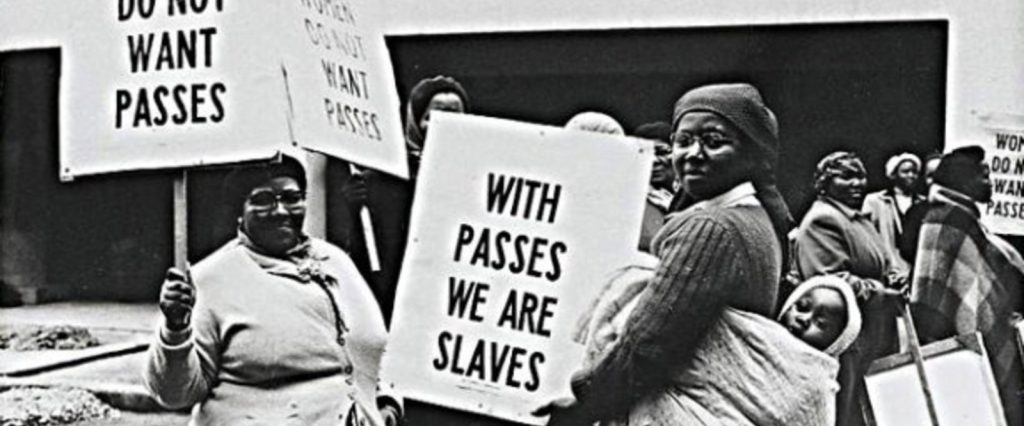
Download your Magazine copy here August 2024 Issue The struggle against the pass laws in South Africa is a significant chapter in the nation’s history, particularly concerning the role of women in the fight against apartheid. The pass laws were part of the apartheid regime’s strategy to control the movement of Black South Africans and to enforce racial segregation. These laws required Black people to carry passbooks, also known as “dompas,” at all times, which restricted their freedom of movement and access to certain areas. The 1913 Anti-Pass Campaign The resistance against the pass laws by women began as early as 1913 in the Orange Free State. Black women, particularly those in Bloemfontein, led the first anti-pass campaign after the government decided to extend pass laws to women. The campaign was spearheaded by Charlotte Maxeke, a prominent leader and one of the first Black South African women to obtain a degree from an American university. The women organized protests, refused to carry the passes, and staged demonstrations against the discriminatory laws. Their efforts were met with violent repression, but they set the stage for future resistance. The 1956 Women’s March One of the most significant events in the history of resistance against the pass laws occurred on August 9, 1956, when approximately 20,000 women of all races marched to the Union Buildings in Pretoria. The women were protesting against the proposed amendments to the Urban Areas Act, which would require Black women to carry passbooks. The march was organized by the Federation of South African Women (FEDSAW), which included leaders like Lilian Ngoyi, Helen Joseph, Rahima Moosa, and Sophia Williams-De Bruyn. Lilian Ngoyi, a trade unionist and a member of the African National Congress (ANC) Women’s League, was a key figure in the organization of the march. She was known for her powerful oratory skills and her commitment to the struggle for freedom. Helen Joseph, a social worker and one of the founding members of FEDSAW, played a significant role in mobilizing women across the country. Rahima Moosa, a trade unionist and anti-apartheid activist, and Sophia Williams-De Bruyn, the youngest of the leaders at the age of 18, also played crucial roles in the march.

The History of Women Picketing for the Pass Laws to Be Revoked in South Africa Read More »

Shopping Cart
Scroll to Top