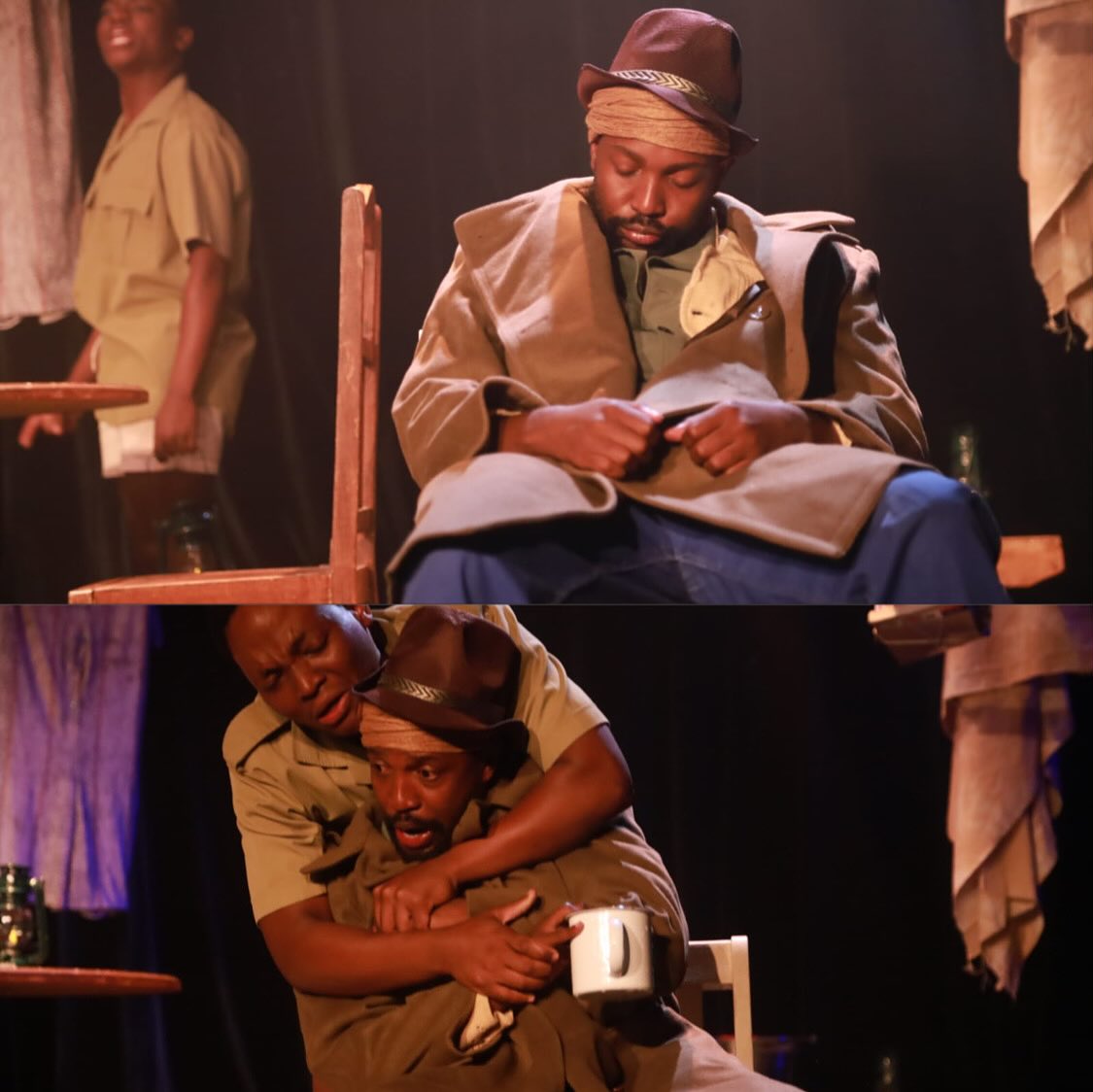
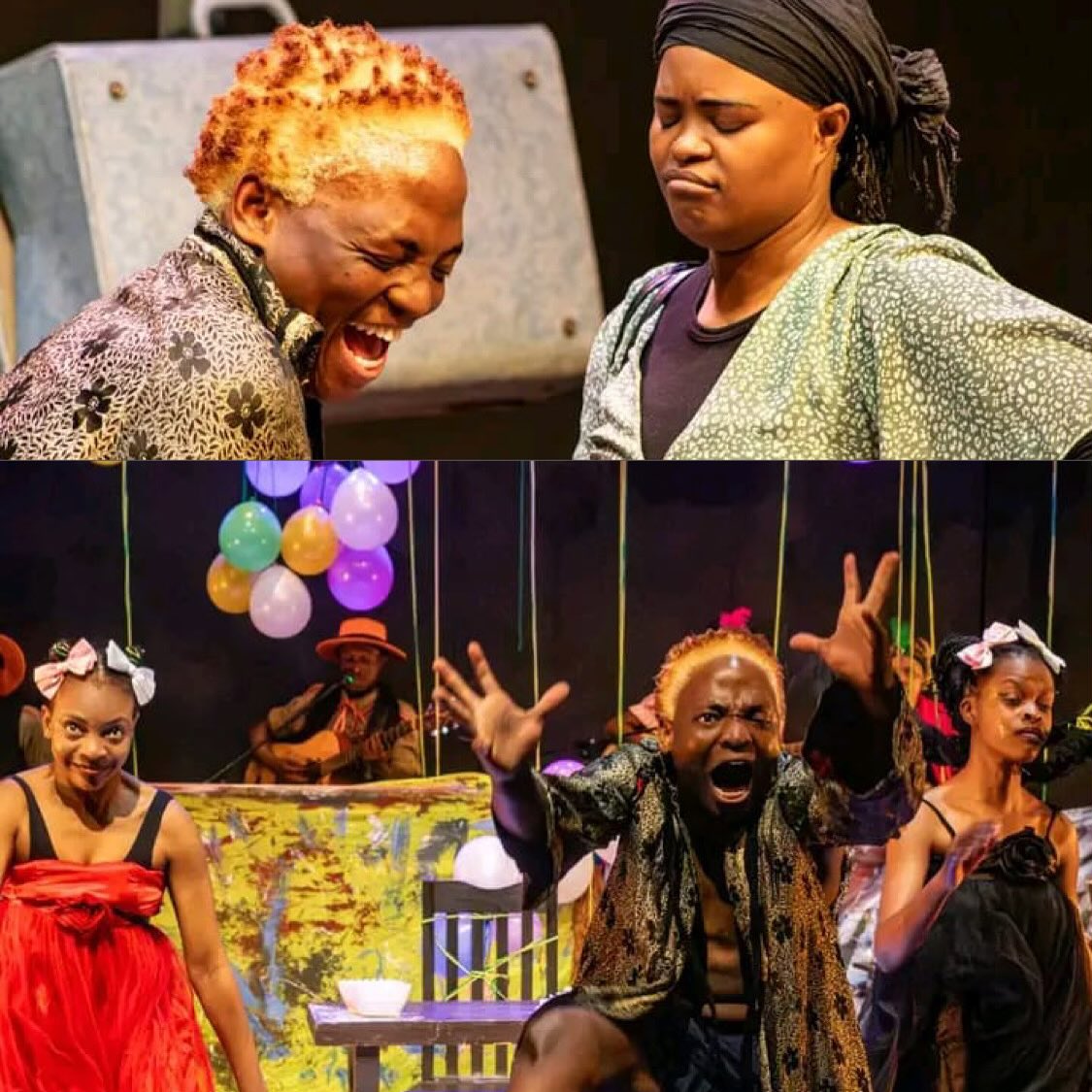
Independent theatre remains the heartbeat of South Africa’s cultural and artistic landscape. It is in these smaller, often underfunded, and sometimes overlooked spaces where some of the most powerful storytelling emerges. Independent theatre makers take risks that mainstream institutions might shy away from, addressing pressing social issues, experimenting with form, and cultivating new audiences. Yet, despite its invaluable role, independent theatre continues to face serious challenges that threaten its sustainability and growth.
The Economic Challenges of Independence
At the centre of the struggle for independent theatre is the issue of finance. Unlike larger, state-supported institutions or commercial productions that benefit from ticketing revenues and sponsorships, independent theatre makers often rely on their own savings or small contributions from community members. This puts them in a precarious financial position where the cost of rehearsal space, props, costumes, and technical support must be covered out-of-pocket.
Grant funding, while available through governmental agencies or private foundations, comes with its own set of obstacles. The application processes are complex, deadlines are rigid, and the competition is fierce. Many independent makers do not have the administrative support or resources to prepare detailed proposals, which leaves them at a disadvantage compared to established organisations. For those who succeed in securing funding, delays in disbursement can cause disruptions to project timelines, creating further instability.
Access to Infrastructure and Space
Another major hurdle is the lack of accessible and affordable performance spaces. While South Africa boasts renowned institutions like the Market Theatre, State Theatre, and Artscape, many independent theatre practitioners cannot afford the high costs of hiring these venues. This forces them to rely on makeshift stages—community centres, schools, or outdoor spaces—which, while resourceful, are not always equipped for professional productions.
The absence of permanent rehearsal facilities compounds the problem. Many artists are forced to rehearse in borrowed spaces, living rooms, or even outdoors. While this demonstrates incredible resilience and creativity, it limits the scale and professionalism of their productions. Without adequate space, the consistency and growth of independent work are compromised.
Marketing, Audiences, and Visibility
Independent theatre also faces the challenge of visibility in an era dominated by digital media and mass entertainment. Competing with television, streaming platforms, and social media for attention, smaller productions struggle to draw audiences beyond immediate friends, families, and community members.
Marketing budgets are often non-existent, leaving artists to rely on grassroots promotion—flyers, WhatsApp groups, and word-of-mouth. While this helps build loyal and intimate audiences, it does not always translate into financial sustainability. Reaching broader audiences who may not traditionally engage with theatre remains a significant hurdle.
Audience development, particularly among young people, is another pressing concern. Without active efforts to expose new generations to live performance, the long-term survival of independent theatre is uncertain. This requires systemic collaboration between schools, communities, and arts institutions, which is still largely lacking.
Artistic Freedom and Risk-Taking
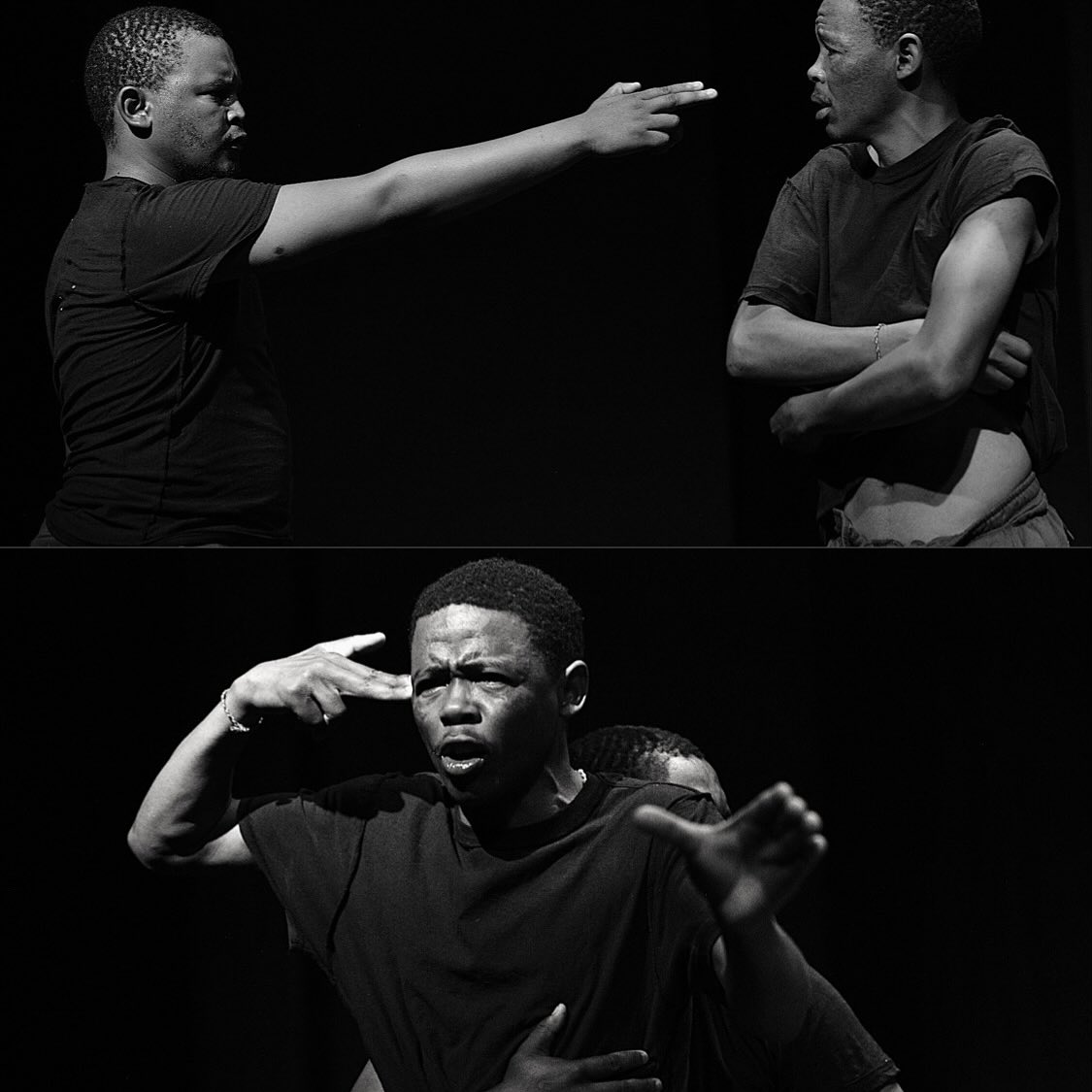
Despite these struggles, one of the greatest strengths of independent theatre lies in its artistic freedom. Free from the commercial pressures that often shape mainstream productions, independent artists can experiment with storytelling techniques, themes, and staging. This space allows for bold narratives—stories about identity, inequality, love, history, politics, and community—that might otherwise remain untold.
Independent theatre has historically been the ground where some of South Africa’s most renowned playwrights, directors, and actors honed their craft. It is the crucible of innovation and cultural preservation, ensuring that theatre remains reflective of the people it serves.
The Role of Festivals and Platforms
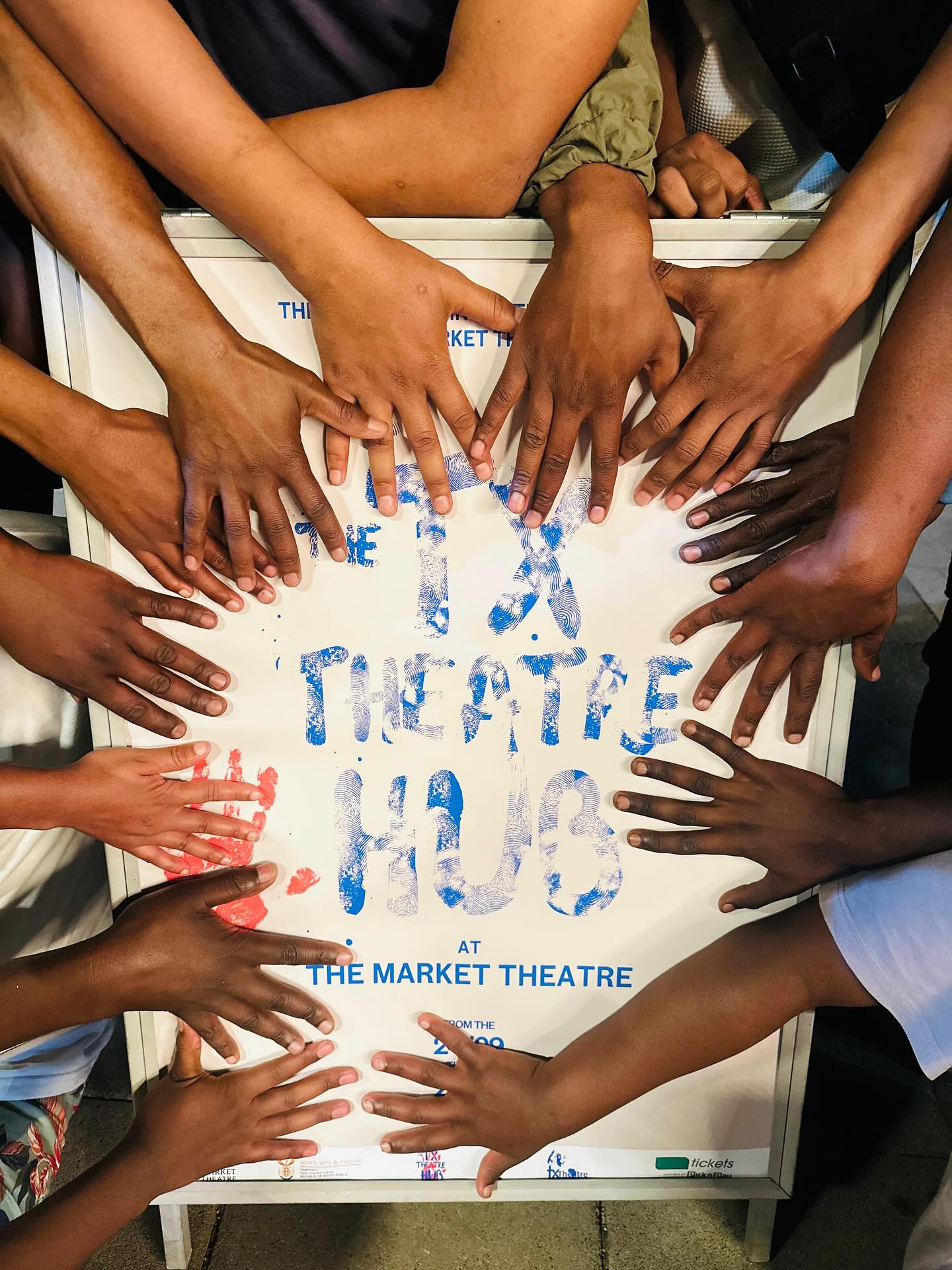
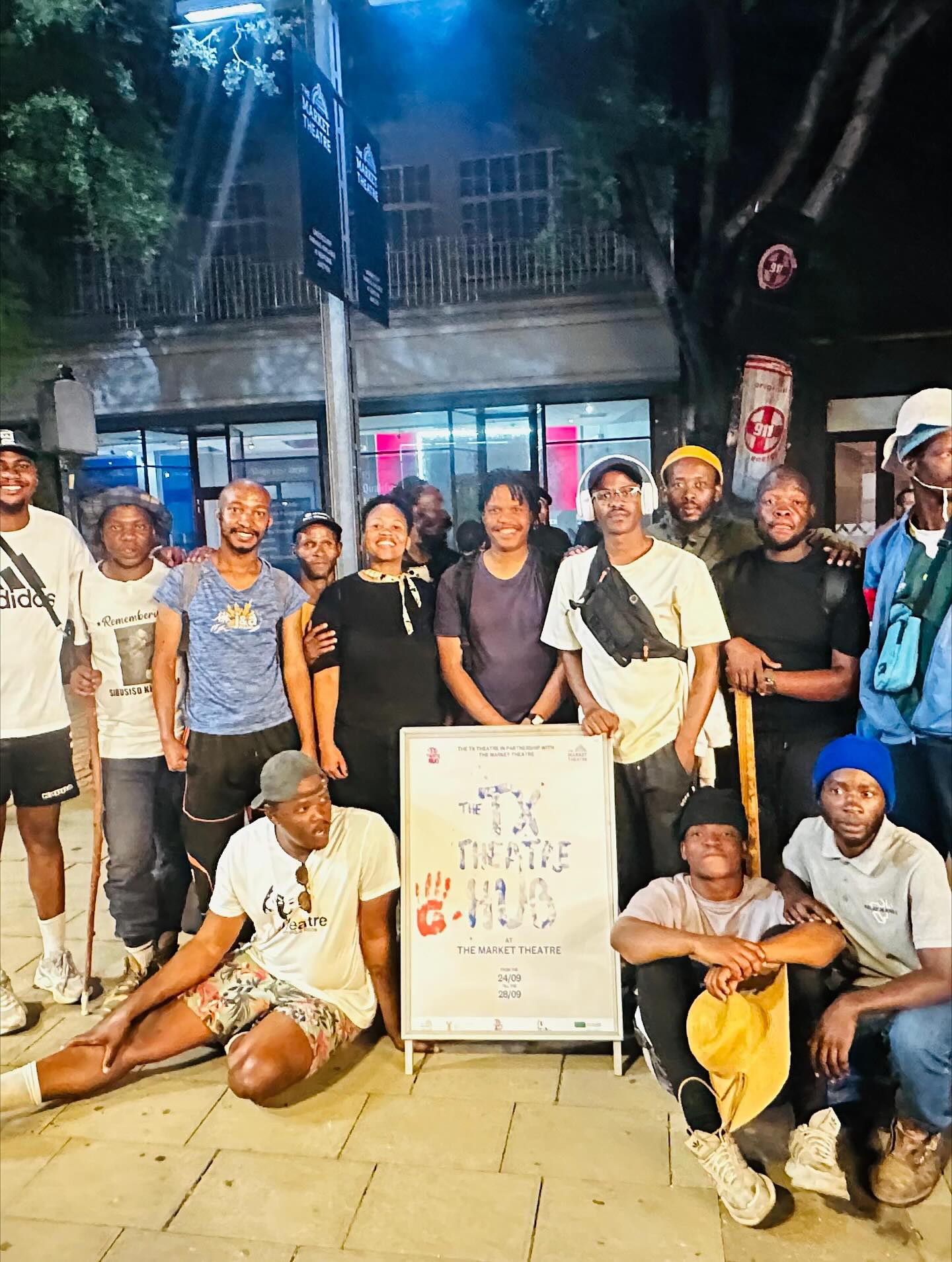
This is why platforms such as the recent TX Theatre Hub Festival at the Market Theatre are so important. By providing space for independent artists to showcase their work in a prestigious venue, the festival created opportunities for exposure, networking, and collaboration.
The Market Theatre, known as “The Theatre of the Struggle,” carries a legacy of artistic defiance and cultural excellence. Hosting independent theatre there is not just symbolic but transformative—it reminds us that the roots of powerful theatre often lie in the margins, nurtured by those who refuse to be silenced.
TX Theatre Hub’s festival showcased a diversity of voices, genres, and perspectives. It proved that independent theatre is not only alive but thriving, despite the challenges. For the artists involved, it was a moment of recognition; for audiences, it was an invitation to experience stories that speak directly to the realities of South African life.
Building a Sustainable Future
To secure the future of independent theatre, a collective effort is required. Government agencies, private sponsors, and arts organisations must collaborate to create support systems that go beyond once-off funding. Long-term investments in infrastructure, training, and marketing support are essential to empower artists to focus on their craft rather than mere survival.
Educational initiatives must also play a role in nurturing future audiences and practitioners. Theatre should not be a privilege reserved for the few; it should be woven into the fabric of society, accessible to all communities. Partnerships with schools, universities, and local councils can ensure that the power of performance continues to inspire and educate future generations.
A Well-Deserved Congratulations
It is in this spirit that we extend heartfelt congratulations to TX Theatre Hub for the resounding success of their festival at the Market Theatre this past week. Your achievement is more than just a celebration of artistry; it is a beacon of hope for independent theatre makers everywhere. By curating such an inspiring platform, you have shown that independent voices matter, that community-driven theatre can reach national stages, and that resilience can indeed translate into triumph.
This milestone is not only a testament to the commitment of TX Theatre Hub but also a reminder that theatre thrives when passion meets opportunity. May this success inspire other independent companies and artists to persevere, and may it encourage stakeholders across South Africa to continue investing in the spaces where new stories are born.
Independent theatre is not just about entertainment—it is about identity, dialogue, and transformation. And with platforms such as TX Theatre Hub leading the way, the future of this essential art form looks brighter, stronger, and more inclusive.