
Johannesburg, Gauteng | 23 November 2026
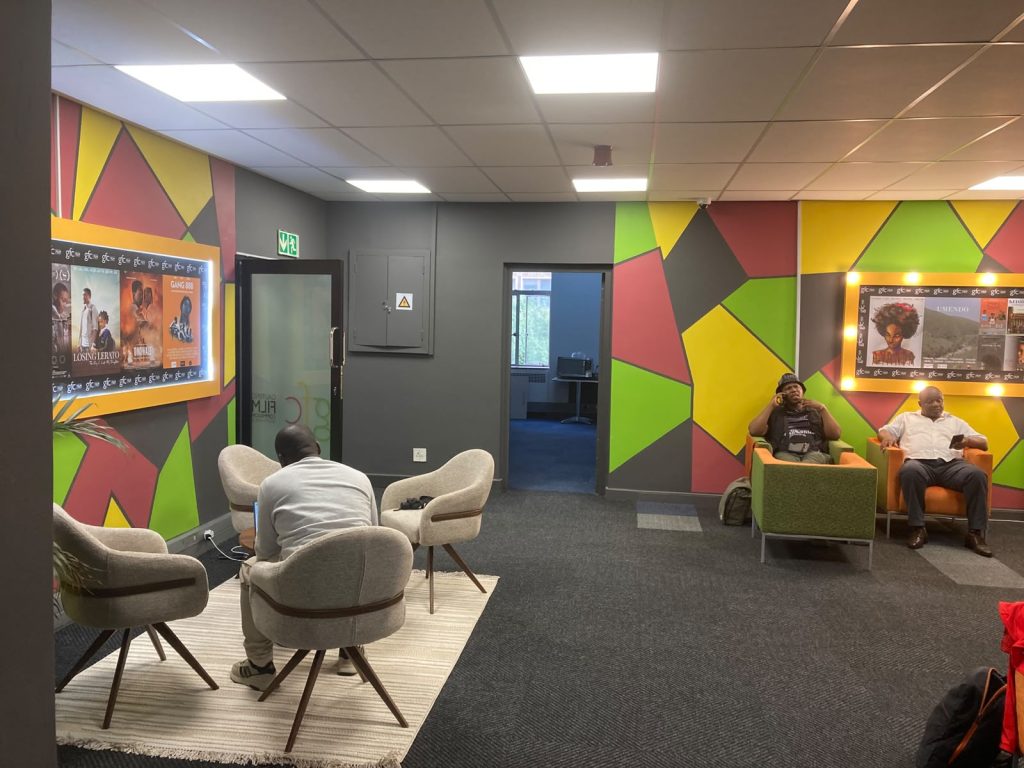
Gauteng filmmakers are raising their voices against the Gauteng Film Commission (GFC), with industry stakeholders visiting the Commission to demand answers over funding allocations, accessibility of financial support and the institution’s accountability to the provincial film industry. The latest developments follow the presentation of the Gauteng Department of Sport, Arts, Culture and Recreation’s 2025/2026 financial year expenditure at the Portfolio Committee on Sport, Arts, Culture and Recreation public meeting, held at the Alberton Civic Centre on 19 November 2026.
The financial presentation has renewed questions among filmmakers about how public resources allocated to the provincial creative sector are being distributed, what tangible benefits are reaching industry practitioners, and whether the GFC is adequately fulfilling its mandate to support Gauteng’s film and television industry. Filmmakers visiting the Commission are expressing growing frustration over what they describe as barriers to accessing funding, concerns about funding decisions and a lack of sufficient communication and accountability from the institution’s leadership.
At the heart of the growing discontent is a fundamental question: How much of the public funding intended to develop Gauteng’s film industry is translating into meaningful opportunities for filmmakers, production companies and creative professionals?
FUNDING ALLOCATIONS UNDER SCRUTINY
The concerns come at a time when government expenditure and the performance of public institutions are receiving increased attention.
During the 19 November Portfolio Committee public meeting, the department presented its financial performance for the 2025/2026 financial year. The presentation has prompted renewed scrutiny of how funding directed towards the creative sector is managed and whether its intended beneficiaries are experiencing the expected impact.
For filmmakers, the issue extends beyond the figures presented in a financial report. They want to understand how funding reaches the industry, which organisations benefit, how projects are assessed and what mechanisms exist to ensure that public investment creates sustainable economic opportunities.
The GFC, as a provincial institution established to develop and promote the film and television industry in Gauteng, plays an important role in supporting local productions, developing talent, attracting investment and creating employment opportunities. However, filmmakers are questioning whether the current funding environment is sufficiently accessible, transparent and responsive to the needs of the broader industry.
FILMMAKERS STRUGGLING TO PUT FOOD ON THE TABLE
Behind the funding concerns lies a deeper economic crisis confronting sections of Gauteng’s film industry. Independent filmmakers and production companies continue to face significant challenges in securing financial support, sustaining operations and keeping creative professionals employed.
For many practitioners, funding is not simply about financing a production. It represents opportunities for writers, directors, actors, cinematographers, editors, sound engineers, production assistants and other technical professionals to earn an income. When productions fail to secure funding, the economic consequences extend far beyond the applicant. Entire production teams lose potential work, emerging talent struggles to enter the industry, and small production companies face increasing pressure to remain operational.
With December approaching, the uncertainty is particularly concerning for creative professionals who are struggling to sustain their businesses and provide for their families. Filmmakers are questioning whether the existing funding mechanisms adequately recognise the financial realities of independent production companies and emerging practitioners, particularly those without access to alternative sources of investment. The concern is that an industry with considerable potential for employment, skills development, tourism and economic growth could lose valuable talent if funding opportunities remain inaccessible or insufficiently responsive.
GOVERNANCE AND FUNDING DECISIONS RAISE QUESTIONS
Further concerns have been raised regarding the reported funding relationship between the GFC and an organisation known as the Sport for Social Change Network (SSCN), a non-profit company. Questions have emerged about the organisation’s funding from the Commission, considering its stated organisational focus and the GFC’s mandate to develop and support the film and television industry.
Filmmakers are seeking clarity on the rationale behind such funding decisions, the eligibility criteria applied, the relevance of funded projects to the Commission’s mandate and the governance processes followed during the approval process. Additional questions have also been raised concerning the GFC CEO’s reported position as chairperson of the SSCN.
While holding positions in different organisations does not automatically establish wrongdoing or a conflict of interest, the reported relationship warrants transparency, particularly where public funding decisions involving those organisations are concerned. The public deserves clarity on whether appropriate declarations of interest were made, whether the necessary governance procedures were followed and whether any individuals with potential conflicts were appropriately excluded from relevant funding decisions. These questions require documented responses and, where necessary, independent scrutiny.
WHAT ARE FILMMAKERS DEMANDING?
The growing concerns have prompted calls for meaningful intervention and greater accountability from the Commission.
Among the issues filmmakers want addressed are:
1. A comprehensive review of the funding policy: An assessment of whether the existing policy is fair, accessible, transparent and responsive to the realities of the Gauteng film industry.
2. Transparency in funding allocations: Public disclosure of funding beneficiaries, approval processes, allocation criteria and the rationale behind funding decisions.
3. Independent investigation: An examination of the reported funding awarded to organisations whose primary mandate is outside the film industry.
4. Conflict-of-interest assessment: An independent examination of potential conflicts of interest involving executive management and organisations benefiting from GFC funding.
5. Executive accountability: Clear explanations from the Commission’s executive management regarding the challenges facing Gauteng filmmakers and the concerns surrounding its administration.
6. An urgent industry intervention plan: A practical programme to address unemployment, production challenges, funding accessibility and the long-term sustainability of the provincial film industry.
WHO IS THE GAUTENG FILM COMMISSION SERVING?
The situation raises a critical question about the relationship between public institutions and the industries they are established to support. The GFC has an important responsibility to strengthen Gauteng’s position as a competitive film and television production destination. This requires more than allocating funds. It requires building an enabling environment where independent filmmakers, established production companies and emerging creatives can participate meaningfully in the provincial film economy.
Public funding must deliver measurable public value. It should contribute to production activity, skills development, employment creation, industry growth and the sustainability of local creative businesses. Filmmakers are therefore calling for more than explanations. They want meaningful engagement, transparent processes and evidence that public resources are reaching the people and projects they are intended to support.
The visit to the Commission signals growing dissatisfaction within sections of the industry and places renewed attention on the GFC’s funding priorities and institutional accountability.
THE INDUSTRY DESERVES ANSWERS
Gauteng’s film industry cannot afford to have its practitioners operating in an environment of uncertainty and declining confidence in the institutions responsible for its development. The people behind the cameras, in production offices, on film sets and in post-production studios are central to the industry’s success. Their economic contribution, professional development and access to opportunities must remain a priority.
As filmmakers seek answers from the Commission, attention now turns to how the GFC will respond to their concerns and whether the institution will commit to greater transparency and meaningful engagement with industry stakeholders. The questions raised following the 2025/2026 financial presentation deserve clear, evidence-based answers.
Gauteng filmmakers deserve transparency. The public deserves accountability. And the film industry deserves an institution that delivers on its mandate.
