
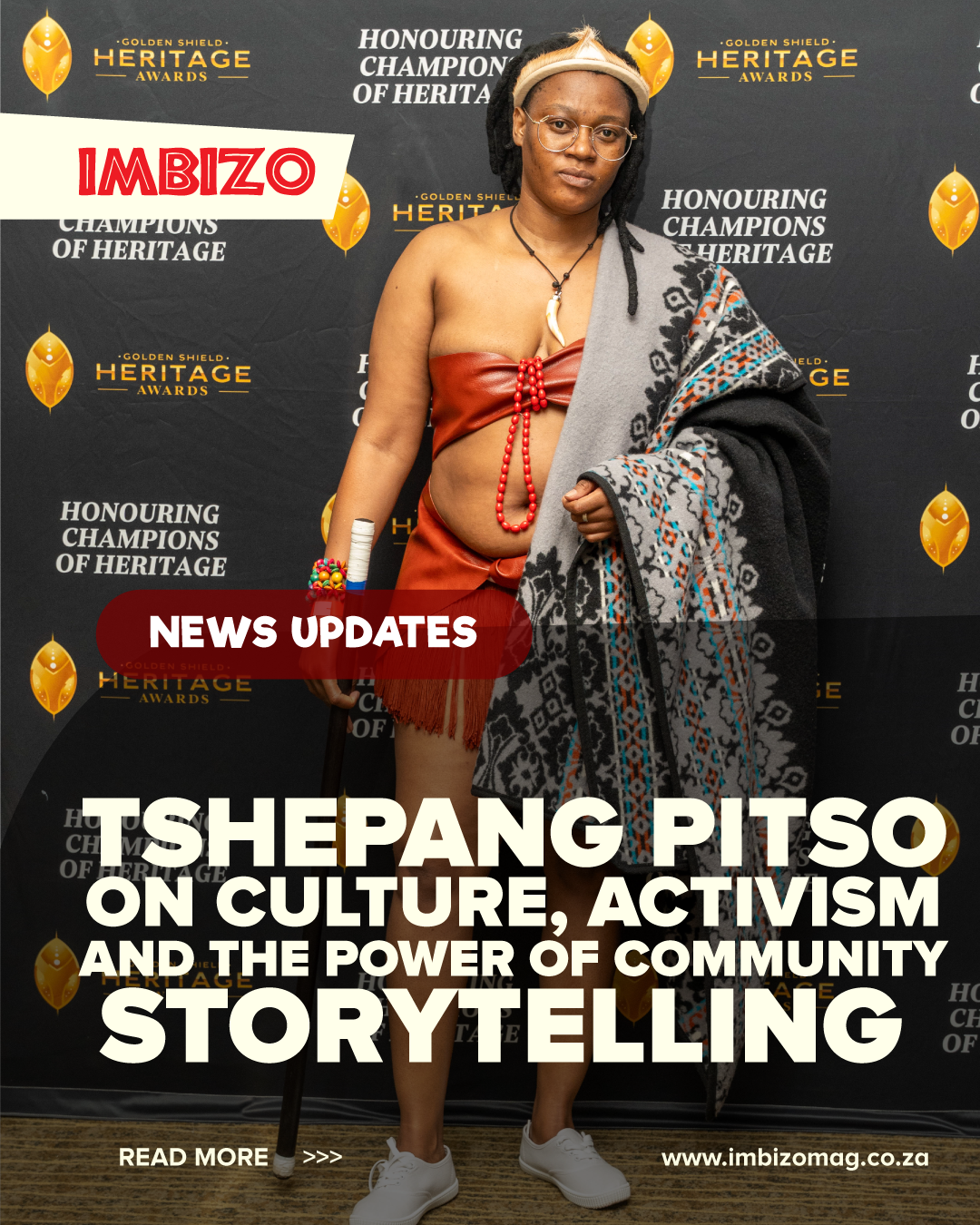
In Maokeng, Kroonstad, where stories travel from one household to the next and language binds people tighter than borders ever could, Tsepang Pitso’s journey was quietly being shaped. Raised as a Sotho woman in a community where collective memory mattered, she learned early that identity is not an individual possession—it is shared, protected and passed on.
Those roots, she says, instilled resilience, pride and a deep sense of responsibility. They also exposed her to the social fractures that would later inform her work in community development and the arts. “I was raised by the community,” she reflects, “and I will be the community others need to grow.”
For Pitso, creativity was never just about expression. It became a language that reached people in ways formal meetings and policies could not. She witnessed how stories reflecting lived realities opened conversations, healed wounds and challenged harmful norms. In that moment, art revealed itself as education, activism and restoration rolled into one.
Through creative work, lives can be changed—not by force, but by reflection. “Art allows us to question what is not working for us,” she says, “and imagine something better.”
Out of this conviction, Ma Apara Kobo was born—a platform dedicated to centring Sesotho voices and stories. The name itself is an act of reclamation. Directly translated as “those who wear blankets,” it references the Basotho people, for whom the blanket is far more than clothing. It is pride, unity, respect and identity.
“My blanket is my identity,” Pitso says with certainty. “I am proud to be a Sotho woman.”
Ma Apara Kobo is not only a cultural celebration; it is a responsibility—to ancestors who carried the culture, to communities living it now, and to generations yet to come.