
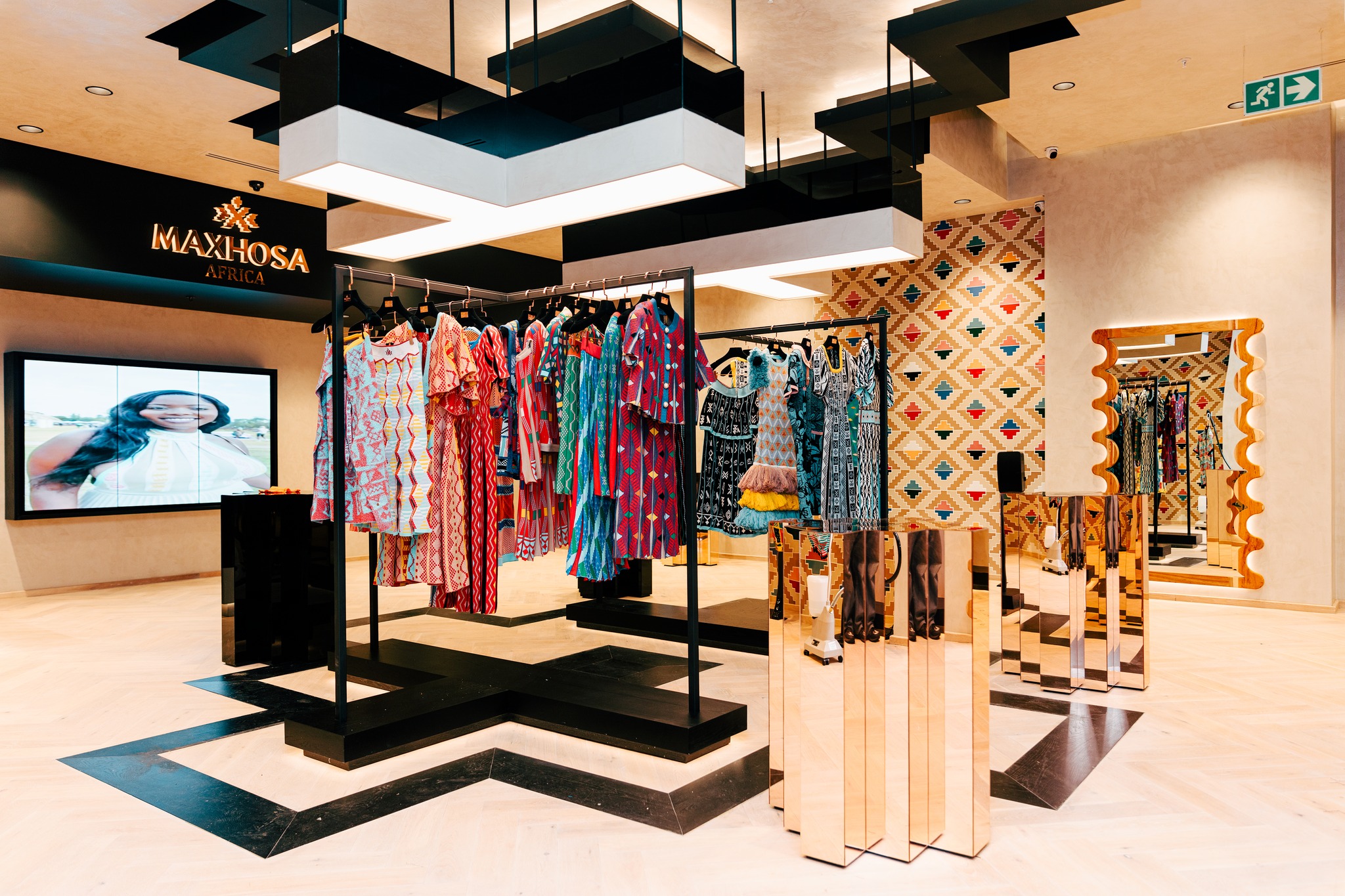
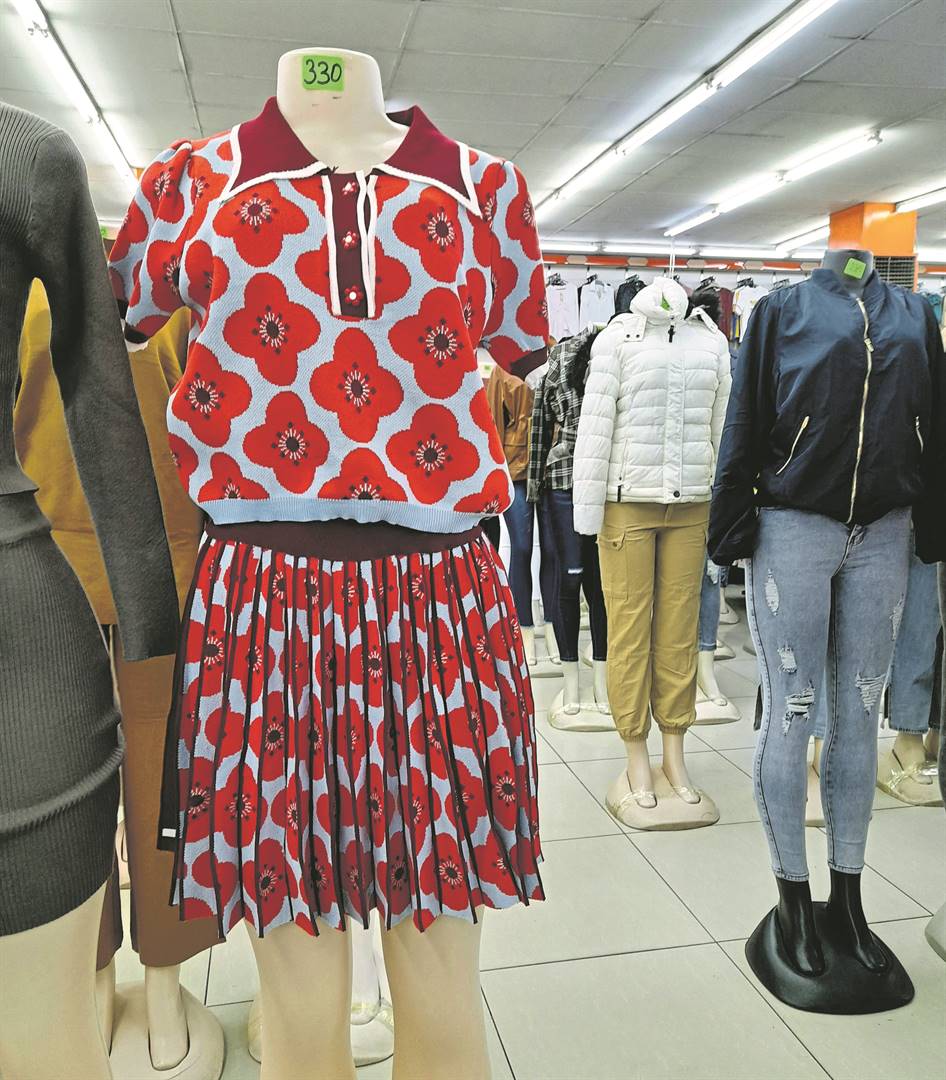
In the vibrant heart of Johannesburg, a tale of two cities unfolds. One is a city of explosive creativity, where designers like Laduma Ngxokolo of MaXhosa Africa are celebrated on global stages, their work a proud testament to South African heritage. The other is a shadow city, operating in plain sight on streets like Small Street, where the lifeblood of that creativity is sold for a pittance. A diligently crafted MaXhosa knit, an icon of Xhosa tradition reimagined, retails from R17,500. Its counterfeit counterpart, a soulless copy, is yours for just R80.
This stark contrast is more than just a bargain; it’s a battle for the very soul of South Africa’s creative economy. It’s a crisis that has pushed our nation’s creators from their design studios onto the streets, demanding to be seen and heard. “Counterfeit goods don’t just threaten our businesses,” Ngxokolo stated, his words echoing the frustration of many. “They undermine our culture and creativity. Our designs carry stories and heritage that cannot be replicated.”
The creative sector’s fight for survival escalated in March 2025. During the Proudly South African Buy Local Summit in Sandton, icons of the industry traded their sketchbooks for placards. Their march was a powerful statement, a direct challenge to the authorities and a plea to the nation. They presented memoranda to the Department of Trade, Industry and Competition (DTIC) and the National Consumer Rights Forum (NCRF), demanding action, not just words.
The price of a fake is far higher than the tag suggests. The South African Revenue Service (SARS) estimates that the country loses a staggering R100 billion every year to the illicit trade, a significant portion of which is from counterfeit fashion and other creative goods. This is not a victimless crime. That R100 billion represents nearly 1% of our GDP – money that should be funding hospitals, schools, and infrastructure. It’s tax revenue that vanishes into the pockets of criminal syndicates, starving the nation of essential services and throttling economic growth.
The ripple effect is a tsunami that washes over the entire creative ecosystem. It’s not just the designer who suffers. It’s the photographer whose shoot is cancelled, the stylist with one less client, the runway producer whose show is downsized, the marketer with a slashed budget, and the local textile worker whose job is outsourced or simply disappears. Every fake garment sold is a thread pulled from the fabric of our creative economy, unraveling the potential for sustainable job creation.
While South Africa has laws like the Copyright Act and the Counterfeit Goods Act, which allow for seizures and prosecution, the reality on the ground is one of frustration. For many independent designers, the legal system is an expensive and time-consuming labyrinth they can ill afford to navigate. Enforcement is often reactive and under-resourced, a frustrating game of whack-a-mole.
Amid the gloom, there are champions who have taken the fight to the frontlines. A special acknowledgement must be made to the fearless team at Vimba on Moja Love. Week after week, they venture into the heart of these counterfeit hotspots, exposing the illicit trade and giving a powerful voice to the small businesses and creatives being crushed by this criminal activity. Their work is a vital public service, educating communities on the real-world damage caused by fakes and holding those in power accountable. Vimba, we see you, and we salute you for your courage.
This is a national crisis that requires a national response. It cannot be left to designers and law enforcement alone. We, as a country, must unite to protect our creative heart.
- Educate and Engage: We must foster a national conversation about the true cost of counterfeits. It’s about jobs, culture, and national pride.
- Choose Authentic: As consumers, our power is in our wallets. Support local creators. Buy genuine. If the original is out of reach, appreciate it, save for it, but do not replace it with a fake that harms the artist and the economy.
- Strengthen the Alliance: The creative sector must continue to build on the unity shown by the AAC. A collective voice is harder to ignore.
- Demand Policy and Action: We must pressure our leaders to finalize and enforce effective IP laws and to crack down decisively on counterfeit hotspots.
The fight against the counterfeit industry is a fight for our identity. It is a stand against the erosion of our heritage and the theft of our future. Protecting our creative sector is about ensuring that the next Laduma Ngxokolo, the next David Tlale, has the chance to not just dream, but to build, to employ, and to proudly showcase South African ingenuity to the world. The time to act is now. We must protect what is ours.