
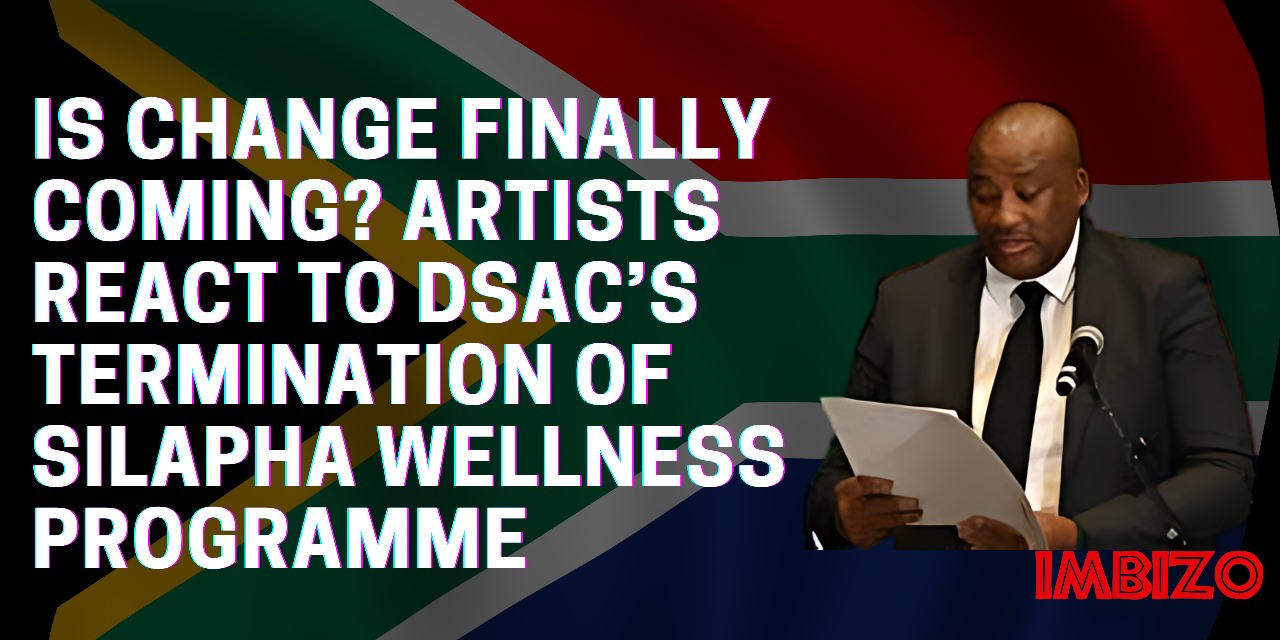
In a bold and decisive move, Minister of Sport, Arts and Culture Gayton McKenzie has announced the termination of the controversial Silapha Wellness Intervention Programme — a three-year project intended to provide wellness support for South African artists and sportspeople.
The decision follows an investigation that revealed serious concerns around how the programme’s substantial budget — a staggering R18,297,360 over three years — was being spent, with questions raised about the actual benefits reaching the intended beneficiaries.
In his statement, Minister McKenzie reaffirmed his commitment to cleaning up the Department of Sport, Arts and Culture (DSAC). “We will stop all these monies that were raised in the name of struggling artists but never reached the artist. We’re cleaning up,” he said.
The announcement has triggered a wave of reactions within the creative industry — many welcoming the decision, while others remain skeptical about whether real, lasting change will follow.
Voices from the Creative Sector
One veteran artist didn’t mince words: “The Silapha programme was one of the biggest rip-offs in the Department of Sport, Arts and Culture. Putting an end to it is one of the best things that could have been done. Thank you, Minister Gayton McKenzie.”
Another respondent, however, voiced frustration at the broader system: “You always fail to clean up your department — that was the first thing you were supposed to do when you moved into that office. Because you also enjoy corruption, you didn’t do that. Instead, you protected DSAC officials. No point in writing this statement to the public, because after this you won’t take action against your corrupt officials.”
A call for systemic change came through strongly as well: “Minister, we urge you to start by addressing underperforming administrators, especially long-serving ones. The root issue lies in political appointments, which must be reviewed and cleaned up for real sector impact.”
Others shared a note of cautious optimism. “Minister, I’m a non-aligned, non-partisan South African and I must say I am encouraged by your efforts. The passion, the grit you display — unwavering actions even when they lead to media backlash — it’s inspirational. Please keep it up. We are grateful.”
Another artist highlighted the disconnect between government initiatives and practical realities: “Gayton McKenzie, well I’m happy with your decision. I have been attending these Zoom meetings — they can be useful, but who are they directed to? How do you say artists must attend a Zoom meeting but you’re not even offering 200MB of data? The very thing the program was made for, it’s adding to the stress we already have as artists.”
The outcry over accountability was summed up by one creative’s poignant question: “When will the corruption end in the Department of Arts and Culture, including accountability?”
A Turning Point, or Another Missed Opportunity?
The Silapha programme was meant to offer vital services such as mental health counselling, financial advice, and grief support for artists and athletes, but its true impact has been difficult to measure. Many industry voices insist it never truly reached those it claimed to serve.
Minister McKenzie has promised a proactive, transparent approach moving forward, ensuring that any future interventions directly benefit those in need — not contractors or middlemen.
“We should be intentional about our plans and know how we will respond in these cases, to offer our athletes and creatives the kind of practical support that’s needed when it’s really needed,” he said.
While the department has yet to announce what will replace Silapha, many in the industry hope this marks the beginning of a new era where creatives are prioritized, empowered, and directly supported by the very systems designed to uplift them.