As Gauteng’s Creatives and Indigenous Leaders Ask: Will This Be the Turning Point?
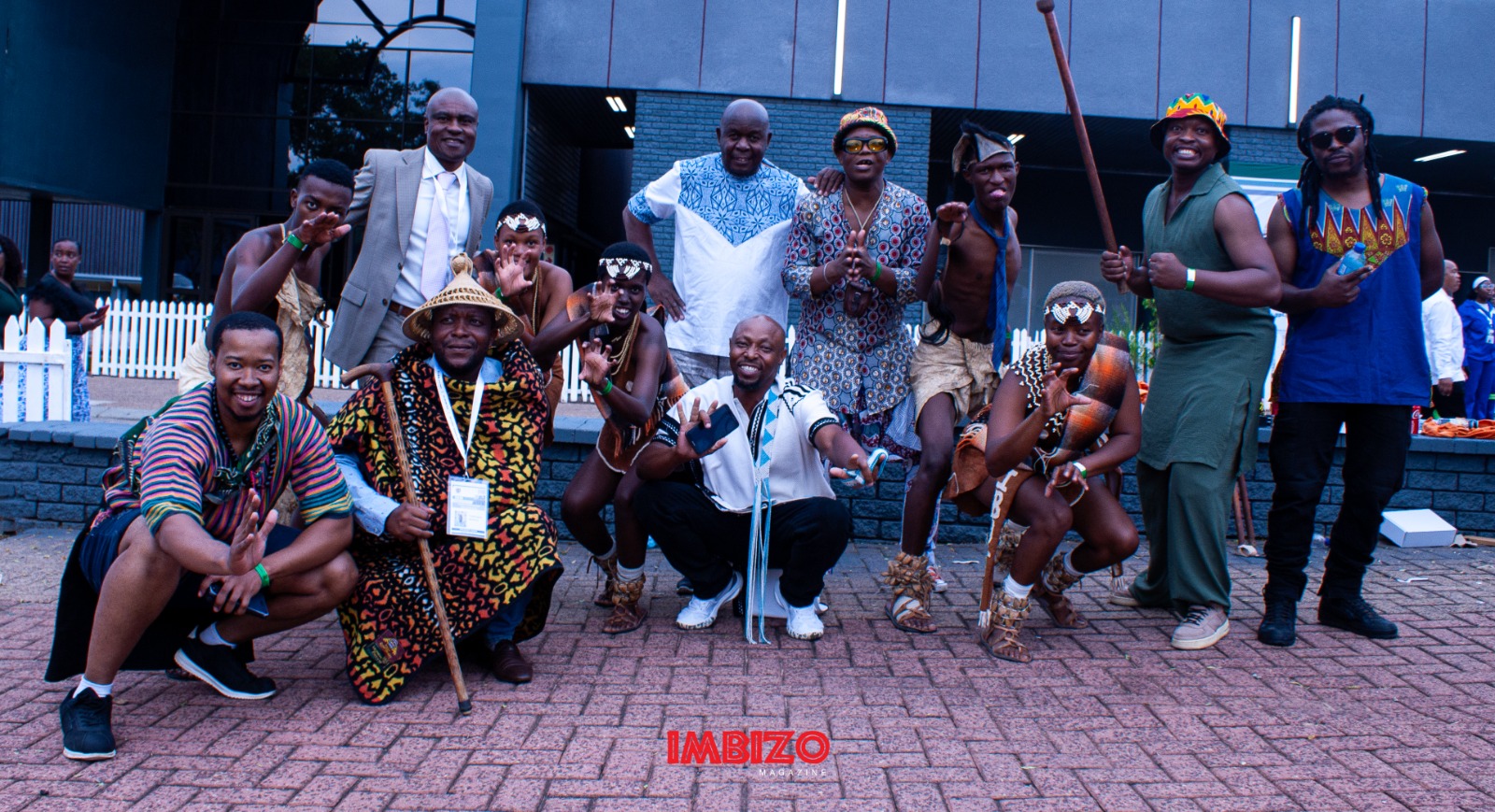
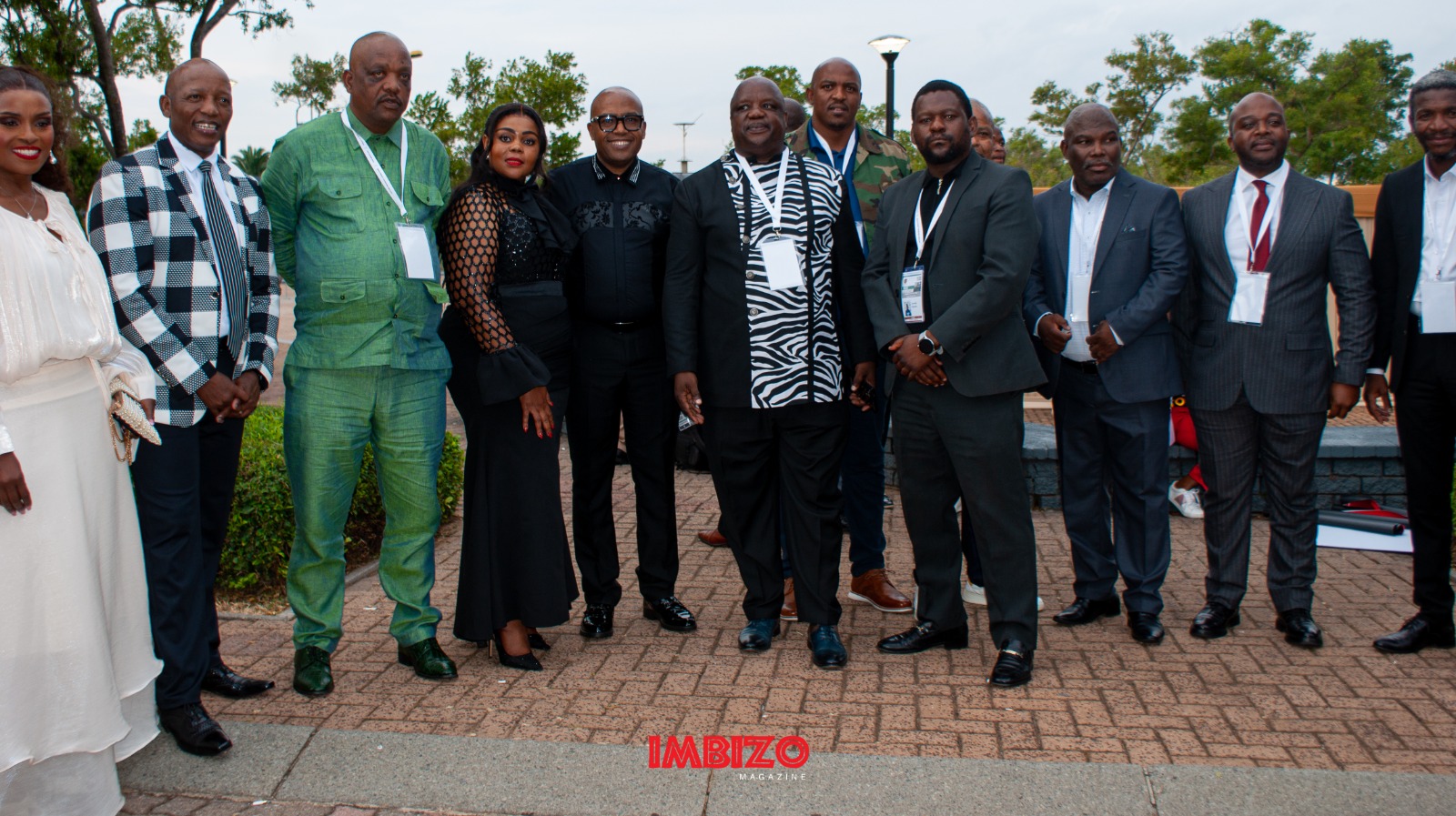
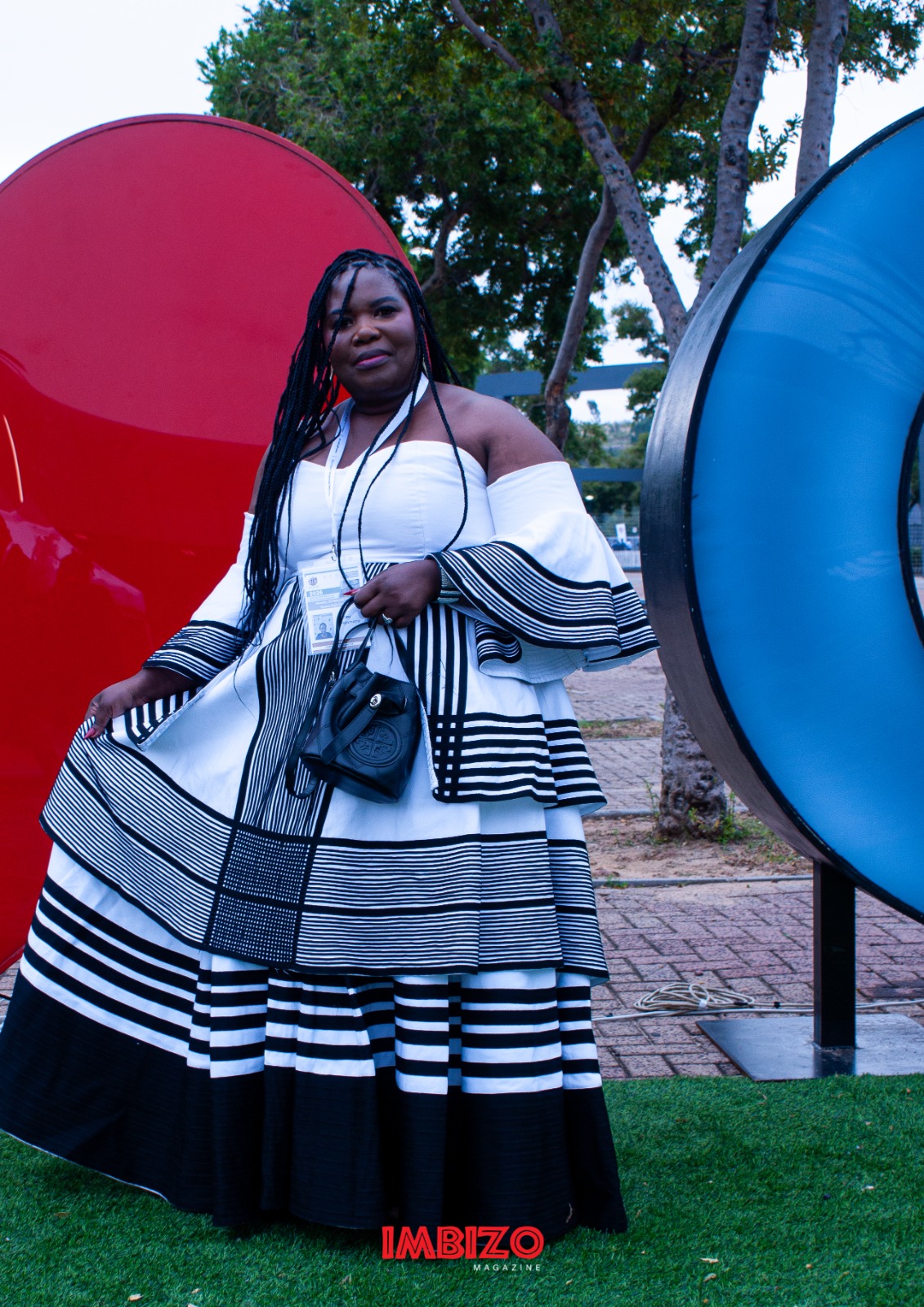
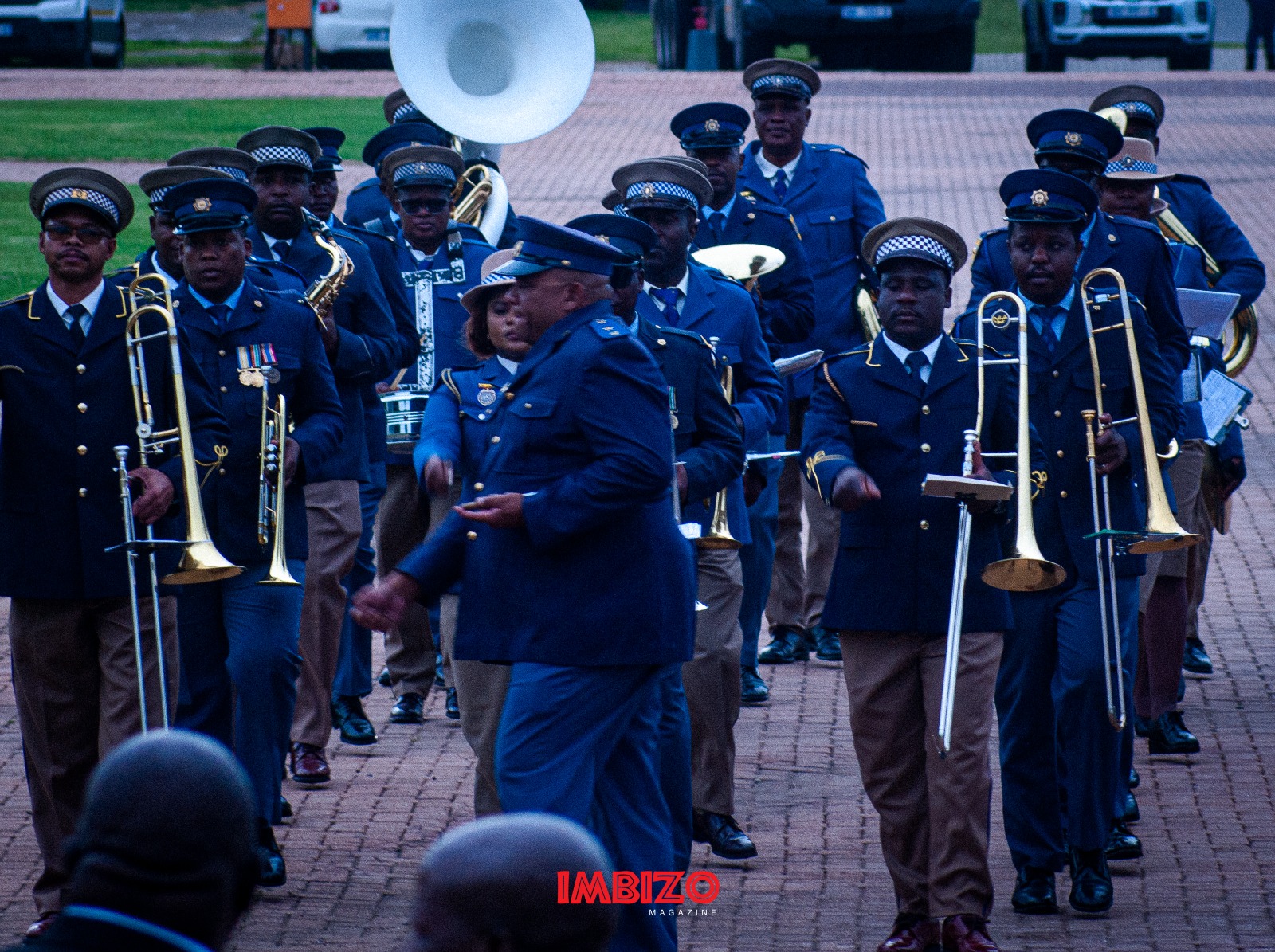
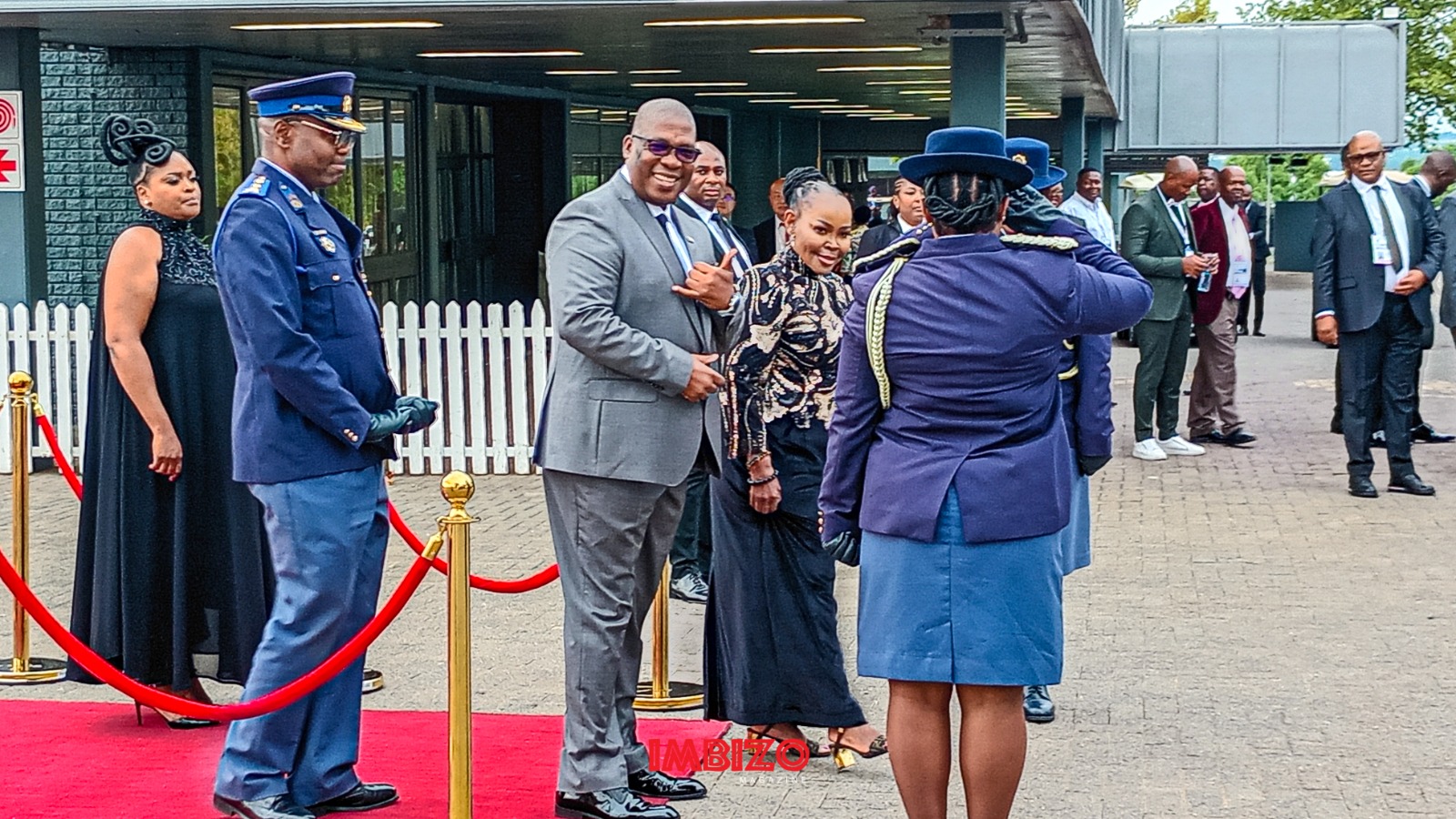
Before Premier Panyaza Lesufi took to the stage to deliver the 2026 State of the Province Address at NASREC, the atmosphere outside carried a different kind of anticipation, one not written in government programmes, but in memory, identity and unfinished promises.
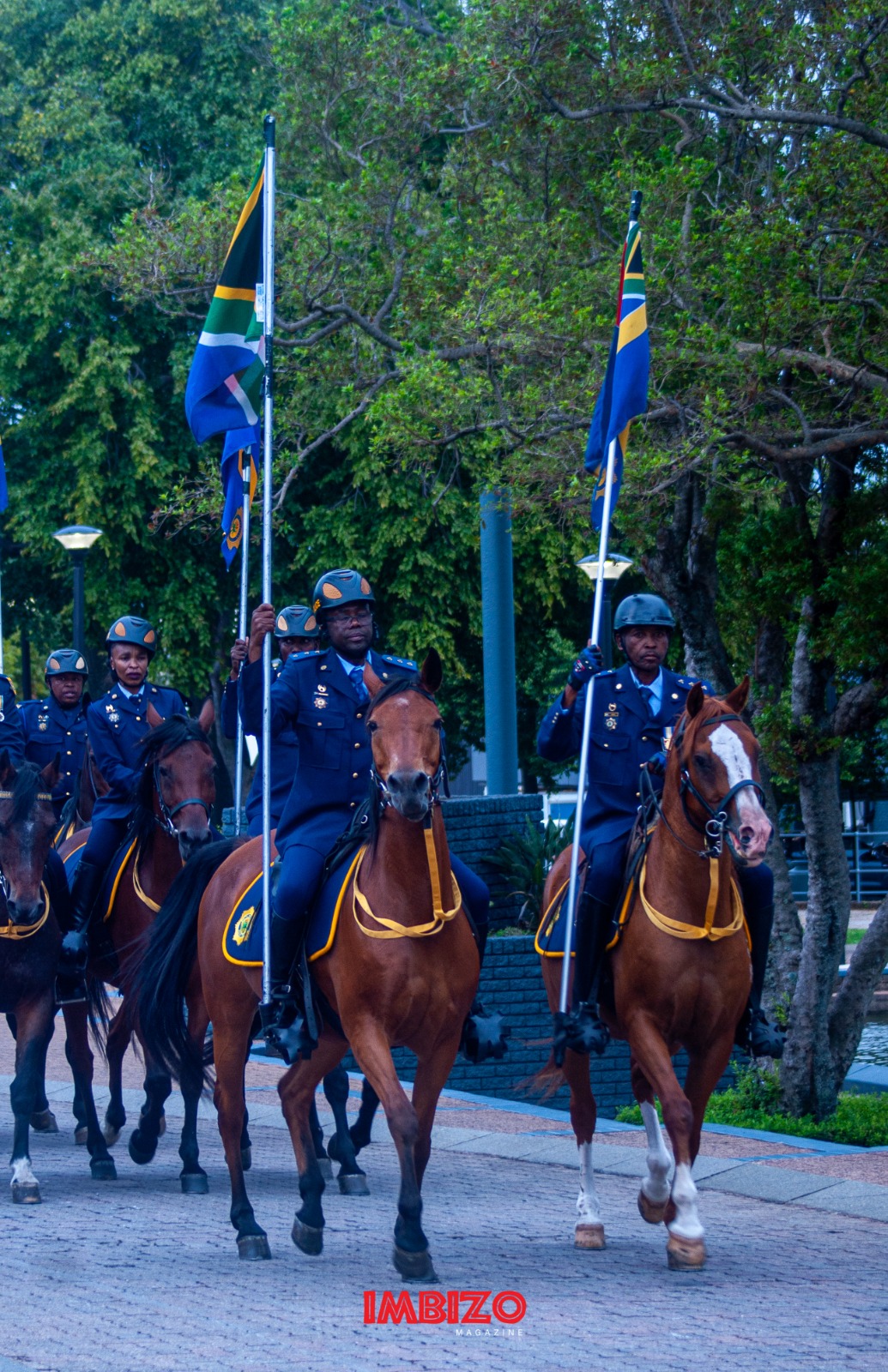

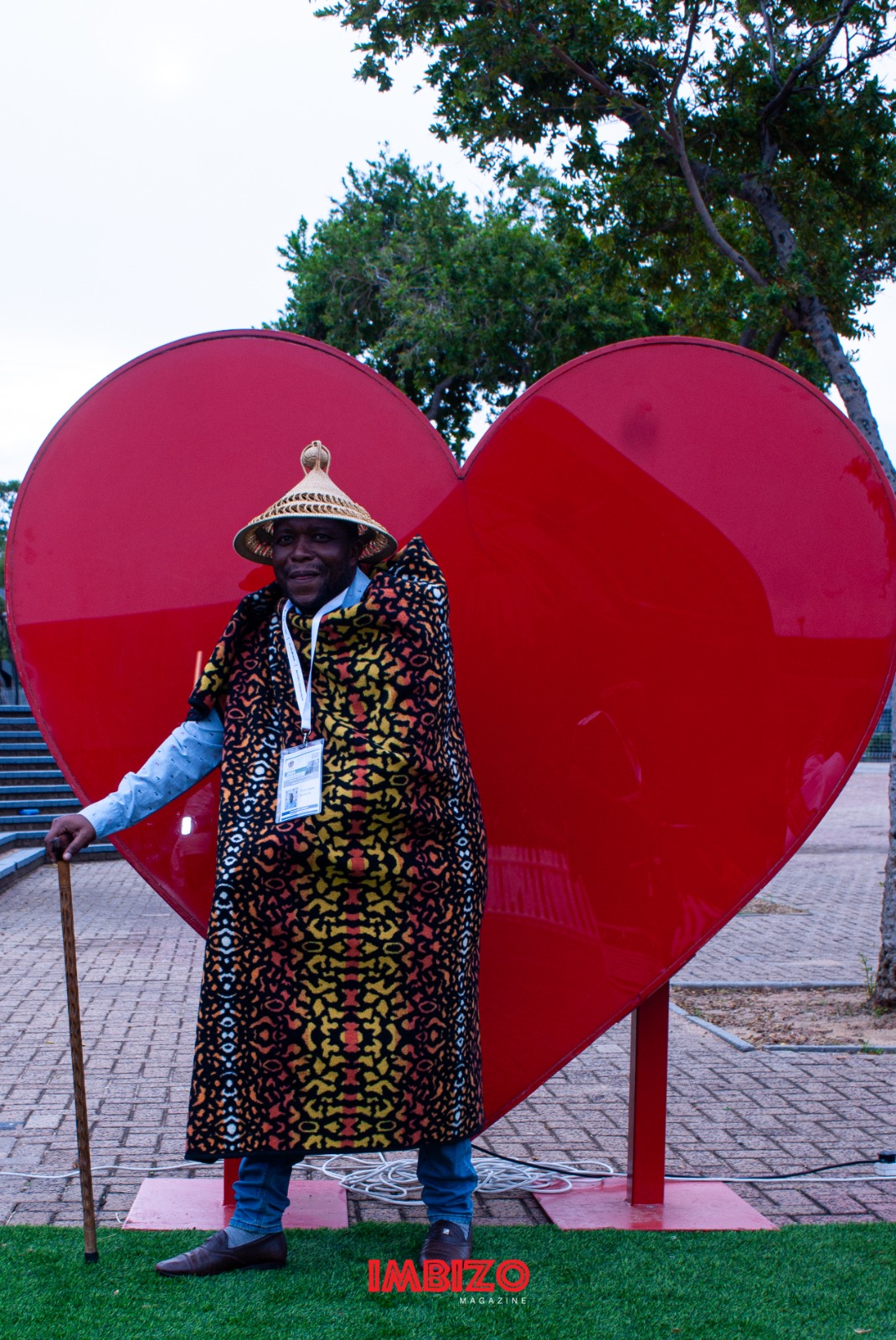
Among those present was Morena Mohlomo II, who stood not only as an individual, but as a descendant of one of Africa’s historic traditional leaders. “I am Morena Mohlomo the second, grandchild of Morena Mohlomo the first, the one that opened a school in Africa called the School of Leadership,” he said. He spoke of history that lives beyond modern maps and city names, a time when Gauteng was known as Kweneng, long before it became Johannesburg, and when places like Heidelberg carried names rooted in indigenous identity.
“Even today I am here to see and check if Mr Lesufi will be able to give us our certificates as he had promised,” he said. “Morena Mohlomo was the First King. He was buried in Tloko Land. People must read the archives if they want to know.” His words were not simply about the past. They were about recognition and whether the present government would acknowledge it.
Standing nearby was Monaka Ya Masene, who identified himself as an indigenous Khoisan leader. “The one that is speaking is Monaka Ya Masene, the indigenous land, the South African owner of this land, Kabelo King of the Khoisan,” he said. “I am very thankful in Gauteng and I am asking Panyaza to give us our certificates and must not give us run-arounds. The leadership and the Khoisans here, they don’t have to be scared no more. All of the land is present.”
His voice carried both gratitude and urgency, a call for dignity long awaited. For others, the concern was not only recognition, but the future of traditional leadership itself.
Duze, a national paramount chief from the Kingdom of Stone under the Herbs and Stone Royal House, said they had come seeking answers. “Today we are here in hopes to hear and be given guideline and clarity about the commission of traditional leading Khoisan,” he said. “If the results are coming out or not since it started in 2021. Today it’s 2026, there are no results yet.”
He spoke of heritage as something fragile, something at risk of being forgotten by younger generations disconnected from their roots. “If you are an African and do not know where you come from, it hurts us a lot in terms of the upcoming generation,” he said. He also spoke of restoring traditional systems of peace, knowledge and economic participation, including recognising herbalists, elders and traditional practitioners who continue to serve communities without formal recognition. “They are the ones who know most, but they are neglected,” he said. “We hope traditional knowledge can be recognised and help strengthen our economy and create jobs.”
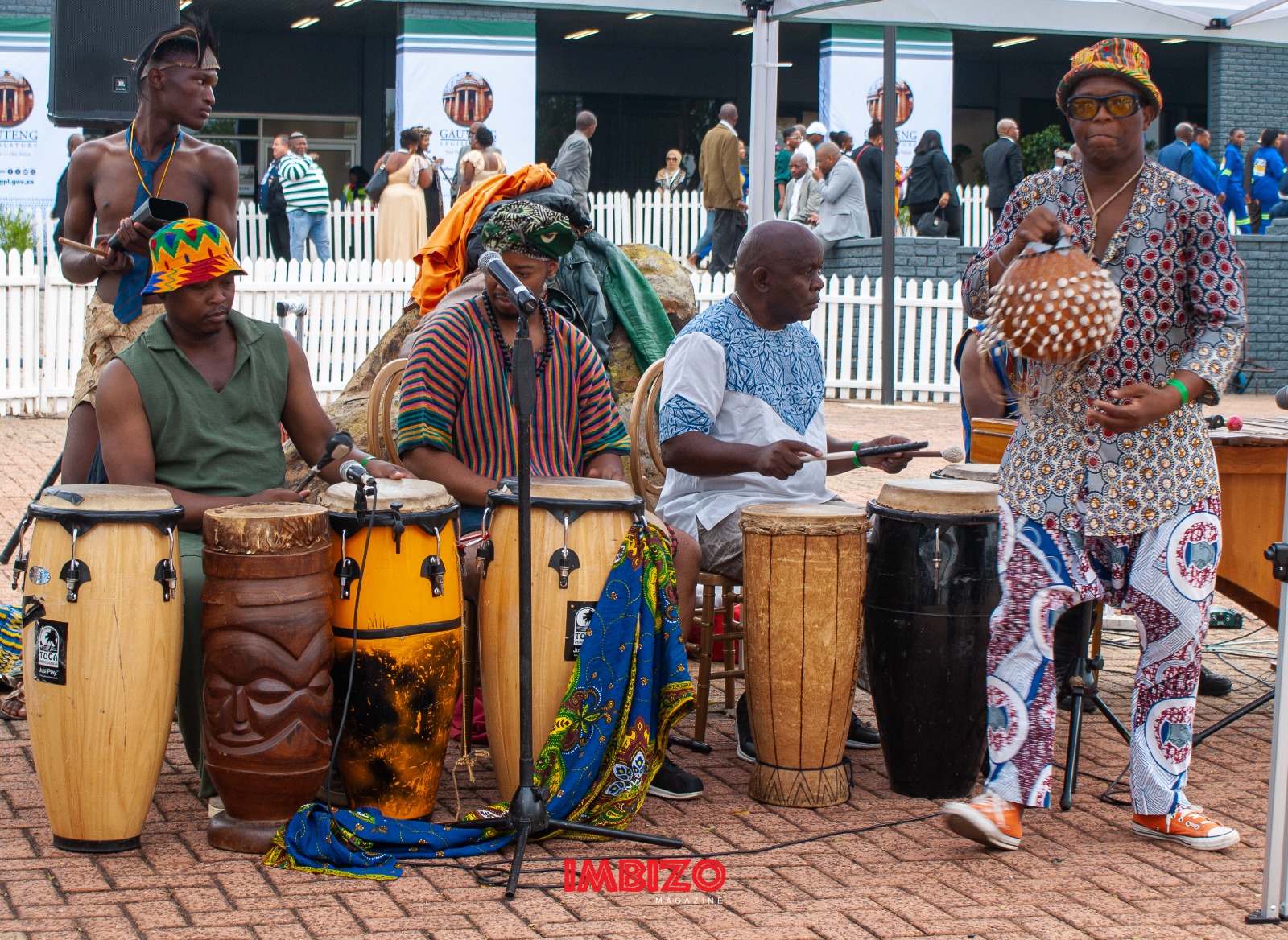
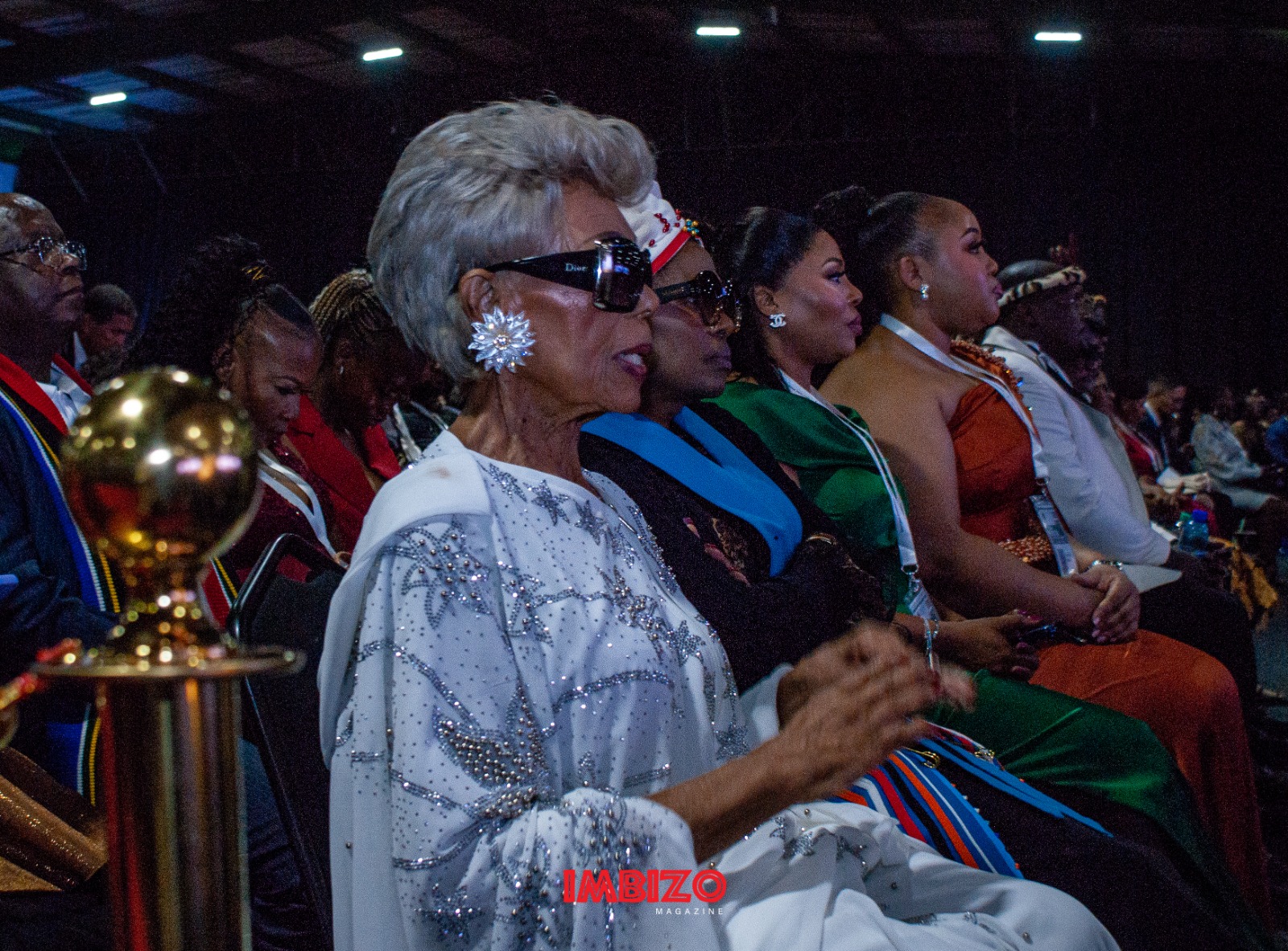
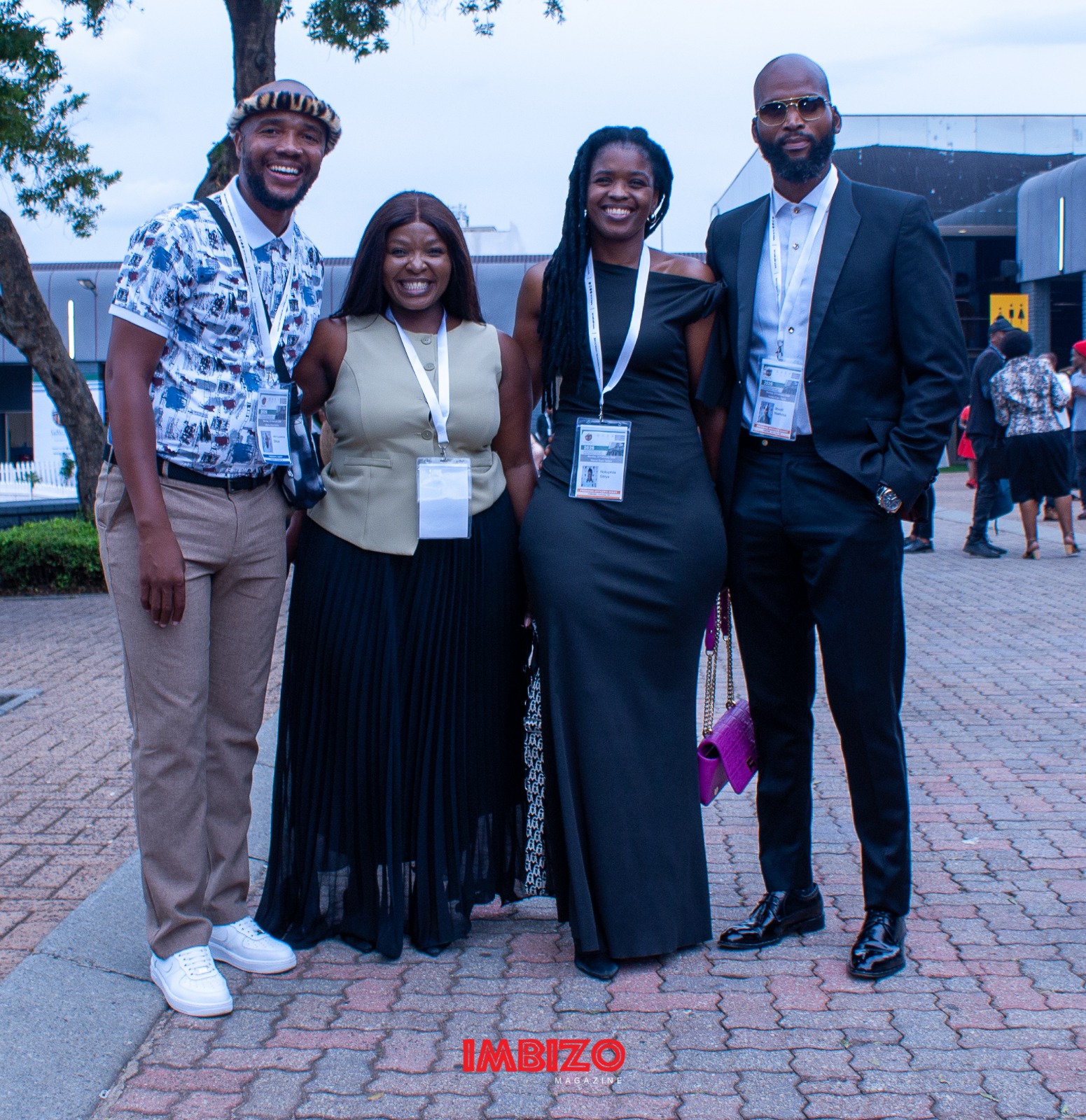
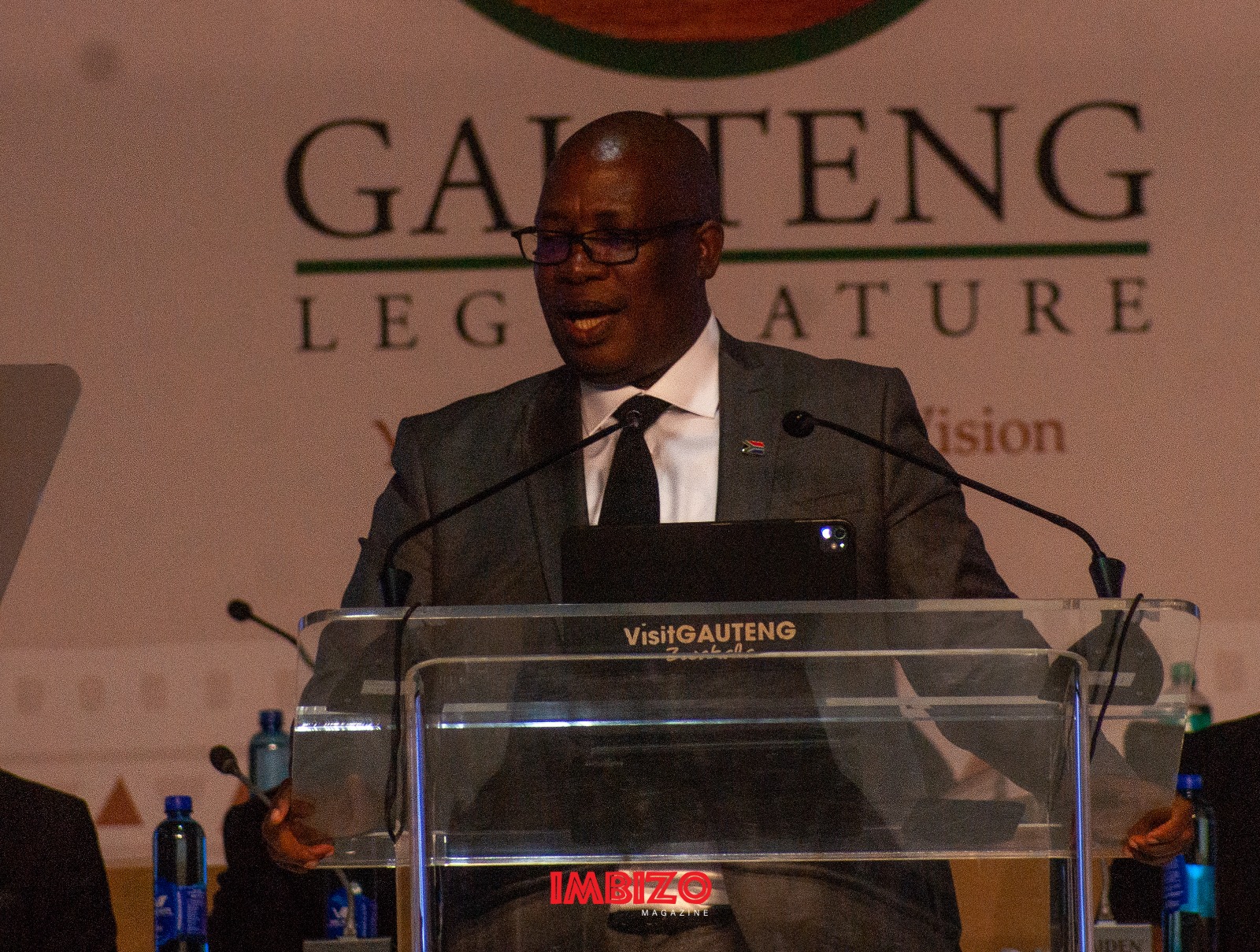
Their presence was a reminder that before policies and budgets, there are people and before economic development, there is identity. When Premier Lesufi finally delivered his address, he spoke of economic growth, infrastructure and investment. But for Gauteng’s creative community, one announcement stood above the rest, the development of the Cradle Film Studios.
- A R4 billion investment.
- 15,000 jobs.
- 10,000 of them in film and television production.
For an industry where many creatives have survived without stable income, proper infrastructure or consistent support, this announcement felt deeply personal. It spoke to every actor who has faced rejection without opportunity. Every filmmaker who has built stories from nothing. Every creative who has carried the cultural identity of this province without knowing if the industry could carry them in return.
At the same time, the province acknowledged the cultural and economic impact of events like the Soweto Derby between Orlando Pirates and Kaizer Chiefs, a moment where sport, culture and creativity merge to support township economies and cultural expression. International events such as the LIV Golf South Africa tournament and the Basketball Africa League will also bring global attention to Gauteng and with it, the promise of opportunity. The address also honoured the legacy of the Market Theatre, a historic home of creative resistance and storytelling. It was a powerful symbol of what creatives have always meant to this province.
But Will This Be Enough?
- The promises made during SOPA 2026 paint a vision of progress.
- A vision where creatives are included.
- A vision where heritage is recognised.
- A vision where opportunity is real.
But for many creatives and traditional leaders who stood outside NASREC that day, the question remains heavier than the promise.
- Will this be the moment where everything changes?
- Will the film studios open doors for local storytellers?
- Will indigenous leaders finally receive recognition?
- Will heritage and creativity be treated not as symbols but as economic drivers?
- Or will creatives and traditional communities continue to wait?
The Question Now Goes to Gauteng’s Creatives: As a creative in Gauteng…
- Do you believe this is the turning point?
- Do you feel these promises will change your reality?
- Or is there still more that needs to be done?
Because the future of Gauteng’s creative industry will not only be written in policy. It will be written in the lives of its creatives.